
2006–07 NHL season
The 2006–07 National Hockey League season, the league's 90th season of operation, concluded with the Anaheim Ducks winning their first Stanley Cup, the first Cup for a California team.
Overview
The 2006–07 National Hockey League campaign was the league's 90th season of operation (89th season of play). The regular schedule ran through the fall and winter into spring, followed by the 2007 Stanley Cup Playoffs, which began on April 11, 2007 and concluded on June 6, 2007. This season continued the post‑lockout era structure and competitive format that had been in place since the 2005 rule changes.
Image gallery
1 Image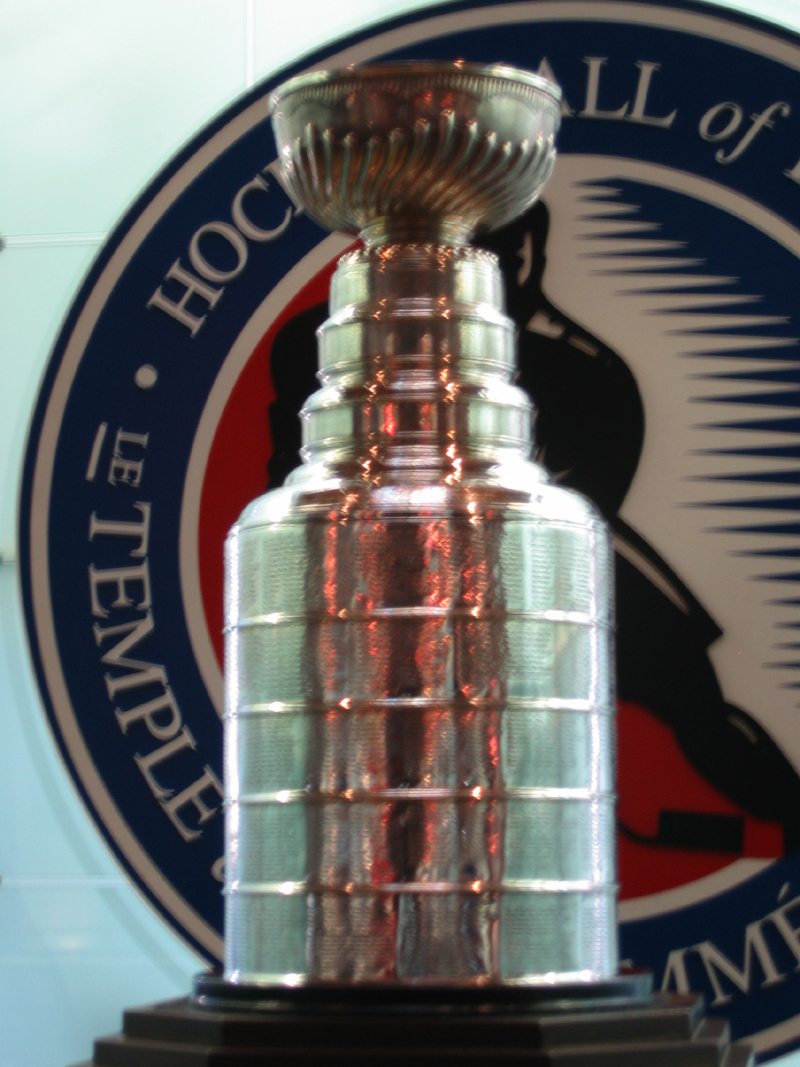
Structure and features
The league featured its conferences and divisions format with teams competing for playoff berths through the regular season. Rule adjustments introduced in the prior season—aimed at increasing offense and reducing tie games—continued to shape team strategies. The salary cap and roster rules that were adopted after the 2004–05 interruption remained central to team construction and parity across the league.
Regular season and competition
Clubs raced through a hard‑fought schedule to secure seeding for the postseason. The regular season produced several standout performances, tight divisional races, and surprise playoff qualifiers. Depth scoring, special teams, and goaltending proved decisive for many teams as they positioned themselves for April playoff matchups.
Playoffs and outcome
The 2007 playoffs began April 11 and culminated in early June. The Anaheim Ducks emerged as champions, capturing their first Stanley Cup in franchise history. In the Final series they defeated the Ottawa Senators to claim the title. The Ducks' victory marked a milestone as the first time a team from California won hockey's top prize, a notable moment in the league's geographic growth.
Notable facts and legacy
- The season is recorded as the 90th season of operation of the NHL and continued the modern post‑lockout era.
- The year reinforced the influence of the post‑2005 rule set on scoring and game outcomes, with teams adapting systems accordingly.
- The league maintained its broad North American footprint and growing international interest, contributing to player movement and fan engagement.
Further reading
For details on team statistics, award winners, and series results from the 2006–07 season, consult league summaries and historical records maintained by the National Hockey League and archived season reviews. These sources provide game logs, playoff brackets, and additional context for the season's place in NHL history.
Questions and answers
Q: What was the 2006-07 NHL season?
A: The 2006-07 NHL season was the 90th season of operation and the 89th season of play of the National Hockey League (NHL).
Q: When did the 2007 Stanley Cup Playoffs begin and end?
A: The 2007 Stanley Cup Playoffs began on April 11, 2007, and ended on June 6.
Q: Who won the Stanley Cup in the 2006-07 NHL season?
A: The Anaheim Ducks won the Stanley Cup in the 2006-07 NHL season.
Q: Was it the first time that the Anaheim Ducks won the Stanley Cup?
A: Yes, it was the first time that the Anaheim Ducks won the Stanley Cup.
Q: What was notable about winning the Cup for the Anaheim Ducks?
A: The Anaheim Ducks were the first team from California to win the Cup, making their win notable.
Q: How many teams participated in the 2006-07 NHL season?
A: The text doesn't mention how many teams participated in the 2006-07 NHL season.
Q: Did the 2007 Stanley Cup Playoffs feature any new rules or changes?
A: The text doesn't mention any new rules or changes implemented in the 2007 Stanley Cup Playoffs.
Related articles
Author
AlegsaOnline.com 2006–07 NHL season Leandro Alegsa
URL: https://en.alegsaonline.com/art/112372
Sources
- sports.yahoo.com : "2006-07 NHL Regular Season Standings"
- nhl.com : "Tie Breaking Procedure"
- sports.espn.go.com : "2007 NHL Awards: Finalists and winners"
- capitals.nhl.com : "Ovechkin Named to NHL First All-Star Team for Second Year"
- cbc.ca : "Wild re-sign Niklas Backstrom"
- cbc.ca : "Fukufuji makes historic NHL debut"
- sports.espn.go.com : "Bruins' Kessel practices, not yet cleared to play"
- kingshockey.com : "Rookie Kopitar Shines In Debut, But Can't Do It Alone"
- cbc.ca : "Malkin injured in NHL debut"
- usatoday.com : "Predators' Radulov a YoungStar on the rise"