
2005–06 NHL season — return to play and rule changes
The 2005–06 National Hockey League season marked the league's return after the 2004–05 cancellation, featured major rule and business changes, and concluded with the Carolina Hurricanes winning their first Stanley Cup.
Overview
The 2005–06 season was the 88th season of the National Hockey League and the first full campaign after the complete cancellation of 2004–05. Regular play restored top-level professional hockey across North America and led into the 2006 Stanley Cup playoffs, which began on April 21, 2006 and concluded on June 19, 2006. In the final series the Carolina Hurricanes defeated the Edmonton Oilers to capture the franchise's first Stanley Cup.
Image gallery
1 Image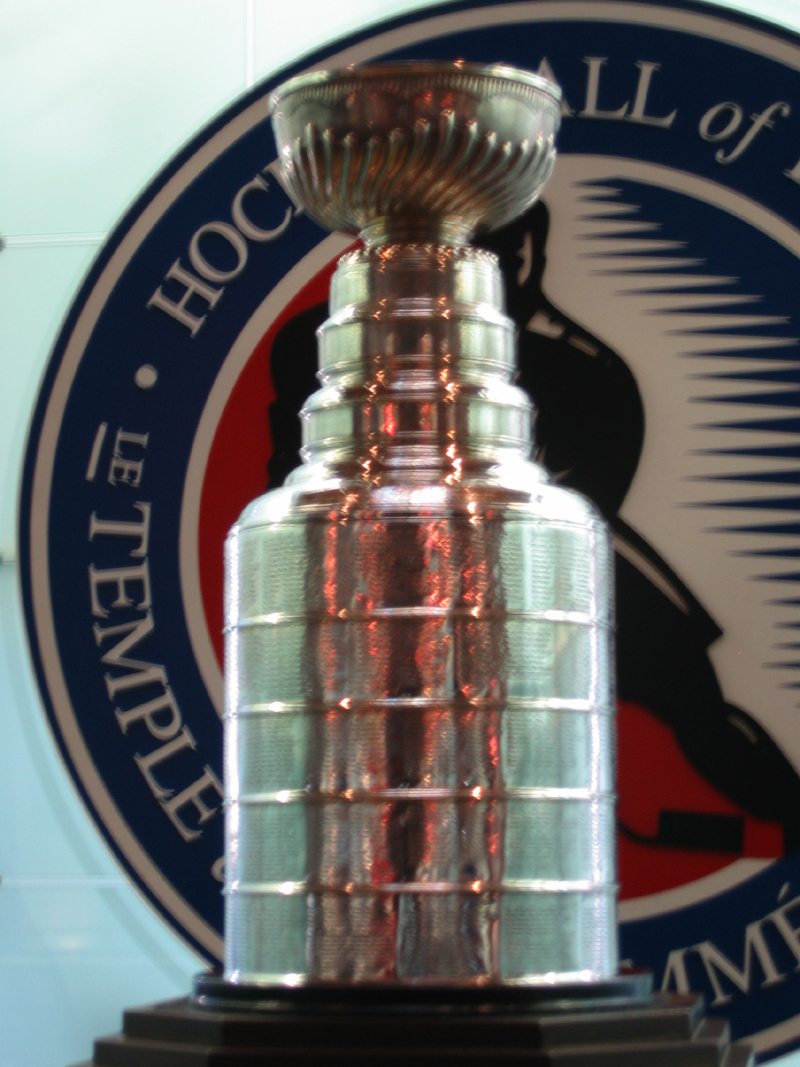
Context and background
The previous season had been lost to a labour dispute between the league and the players' union over a new collective bargaining agreement. The agreement reached before 2005–06 introduced structural changes including a team payroll cap and several measures intended to reduce obstruction and open up the game. Those business and regulatory shifts set the stage for how teams were built and how the game was played throughout the season.
Rule changes and gameplay impact
Several notable on-ice rules were implemented or enforced more strictly in 2005–06, designed to increase scoring and entertainment value. Key changes included:
- The introduction of the shootout to resolve regular-season ties, eliminating ties and creating clearer standings outcomes.
- Removal of the two-line pass restriction, allowing more long passes and faster transitions.
- New restrictions on where goalkeepers could play the puck behind the net (the trapezoid) and stronger enforcement against hooking, holding and obstruction to favor speed and skill.
Regular season highlights and players
The season displayed a noticeable shift toward speed and offense as teams adapted to the new rules. It also saw the arrival of several high-profile young players who would shape the next decade of the sport. Many clubs retooled rosters under the new cap rules, and parity increased, producing competitive races in both conferences.
Playoffs and notable storylines
The postseason produced memorable series and upsets. The Edmonton Oilers made a notably deep playoff run despite long odds, while the Carolina Hurricanes advanced through the Eastern Conference and won the championship in June. The final marked a milestone for Carolina and was celebrated as the culmination of their franchise's efforts.
Legacy and significance
As the first season after the lockout, 2005–06 is often viewed as the beginning of the modern NHL era. The new CBA, salary cap, and rule adjustments changed roster construction and on-ice tactics. Many changes introduced that year influenced attendance, television interest and the league's competitive balance for years to come.
Questions and answers
Q: What season was the 2005-06 NHL season?
A: The 2005-06 NHL season was the 88th season of the National Hockey League.
Q: When did the 2006 Stanley Cup playoffs start and end?
A: The 2006 Stanley Cup playoffs began on April 21, 2006, and ended on June 19.
Q: Who won the Stanley Cup in the 2005-06 NHL season?
A: The Carolina Hurricanes defeated the Edmonton Oilers and won the Stanley Cup in the 2005-06 NHL season.
Q: Was the 2004-05 NHL season played?
A: No, the 2004-05 season was cancelled.
Q: Why was the 2004-05 NHL season cancelled?
A: The 2004-05 season was cancelled due to a labour dispute with the NHL Players Association.
Q: What was the labour dispute about that led to the cancellation of the 2004-05 NHL season?
A: The labour dispute was over the Collective Bargaining Agreement (CBA) between the league and its players.
Q: Did the Carolina Hurricanes win their first Stanley Cup in the 2005-06 NHL season?
A: Yes, the Carolina Hurricanes won their first Stanley Cup in the 2005-06 NHL season.
Related articles
Author
AlegsaOnline.com 2005–06 NHL season — return to play and rule changes Leandro Alegsa
URL: https://en.alegsaonline.com/art/112362
Sources
- mapleleafs.nhl.com : "Recap: Atlanta @ Toronto - 02/07/2006"
- sports.espn.go.com : "NHL tiebreaking procedures"