
2000–01 NHL season
Summary of the 2000–01 National Hockey League season: format, regular season, playoffs, Colorado Avalanche's Stanley Cup victory, Raymond Bourque's milestone, and season legacy.
Overview
The 2000–01 season was the 84th regular season of the National Hockey League. Thirty teams each played an 82-game schedule that determined playoff seeding and individual statistical leaders. The campaign combined long-standing franchises and established stars with younger players beginning to emerge, and it culminated in a dramatic Stanley Cup Final.
Image gallery
1 Image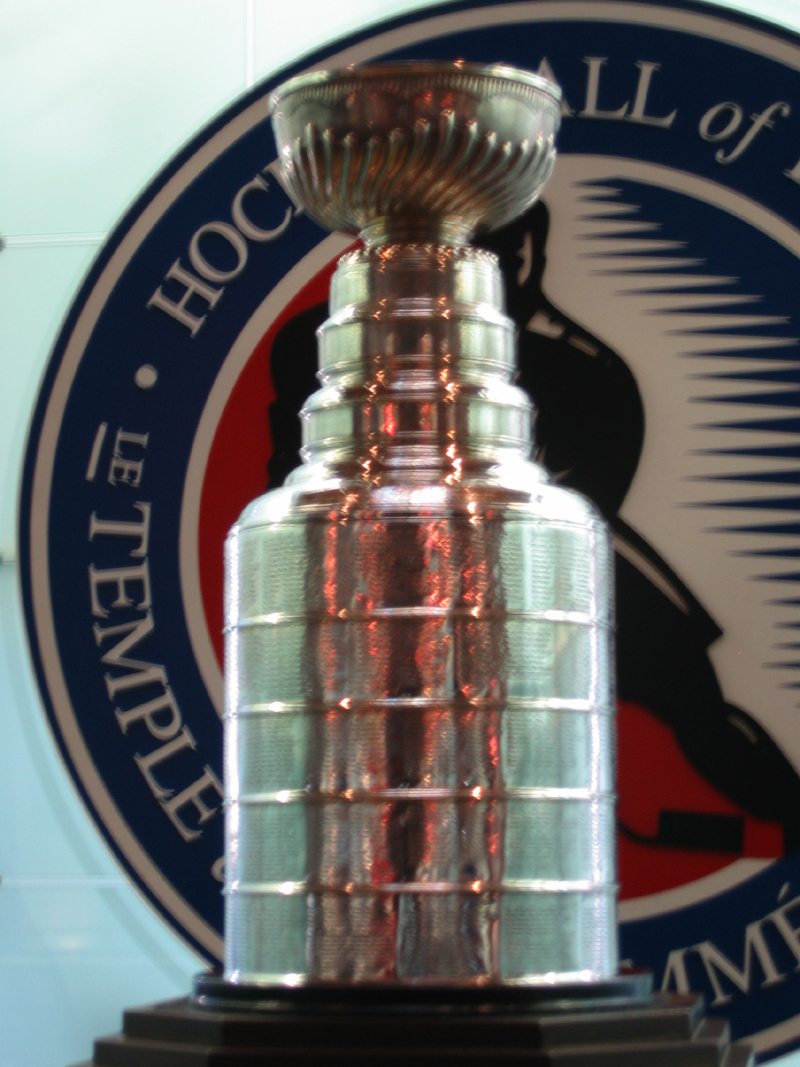
Regular season structure and characteristics
The regular season followed the standard format of conferences and divisions, with teams accumulating points through wins and ties/overtime results under the rules in force that year. Performance across the 82 games determined which clubs qualified for the postseason and influenced home-ice advantage. Individual awards, seasonal milestones and selection to All-Star honors recognized top performers, while teams balanced veteran leadership with developing talent as they vied for playoff berths.
Playoffs and Stanley Cup Final
The playoffs advanced through rounds of best-of-seven series, narrowing the field to the conference champions and ultimately the final two teams. The Colorado Avalanche defeated the New Jersey Devils in a seven-game Stanley Cup Final, winning the series 4–3 to claim the league championship and the Stanley Cup. The final was notable for its tight games and late-series drama, including a decisive Game 7 that sealed Colorado's title.
Notable players and storylines
Colorado's run was highlighted by a mix of veteran leadership and elite goaltending. A central narrative of the season was the long-awaited championship for veteran defenseman Raymond Bourque, who won his first Stanley Cup near the end of a 22-year NHL career. Other prominent figures on the ice included club leaders, top scorers and standout netminders who shaped playoff outcomes and earned recognition for their postseason performances.
Legacy and notable facts
The 2000–01 season is remembered for its competitive balance and for providing a fitting capstone to a storied career. The Avalanche's championship added to their place among early-2000s contenders, while the Devils' appearance underscored their consistency as a defensive-minded power. The season left lasting memories for fans and players alike and is frequently cited in discussions of franchise histories and individual legacies in the modern NHL era. For further context and statistics, consult league summaries and team histories linked through official resources: Stanley Cup finals details.
- League: National Hockey League
- Champions: Colorado Avalanche
- Runners-up: New Jersey Devils
- Trophy contested: Stanley Cup
Questions and answers
Q: What was the 2000-01 NHL season?
A: The 2000-01 NHL season was the 84th regular season of the National Hockey League.
Q: How many games did each team play during the 2000-01 NHL season?
A: Each team played 82 games during the 2000-01 NHL season.
Q: Who were the Stanley Cup winners in the 2000-01 NHL season?
A: The Colorado Avalanche were the Stanley Cup winners in the 2000-01 NHL season.
Q: What was the result of the best of seven series between the Colorado Avalanche and the New Jersey Devils?
A: The Colorado Avalanche won the best of seven series 4-3 against the New Jersey Devils.
Q: Who was the focus of Colorado's Stanley Cup run in the 2000-01 NHL season?
A: The focus of Colorado's Stanley Cup run in the 2000-01 NHL season was on defenceman Raymond Bourque.
Q: What was Raymond Bourque's career quest during the 2000-01 NHL season?
A: Raymond Bourque was on a quest to win his first Stanley Cup championship in his 22-year career during the 2000-01 NHL season.
Q: How many teams participated in the 2000-01 NHL season?
A: Thirty teams participated in the 2000-01 NHL season.
Related articles
Author
AlegsaOnline.com 2000–01 NHL season Leandro Alegsa
URL: https://en.alegsaonline.com/art/112311
Sources
- hockeydb.com : Hockey Database
- nhl.com : nhl.com/