
1996–97 NHL season
Overview of the 1996–97 National Hockey League season, regular-season highlights, playoff progression, the Detroit Red Wings' Stanley Cup victory and the season's lasting significance.
Overview
The 1996–97 campaign was the 80th regular season of the National Hockey League and continued the league's modern era of expansion and competitive balance. Clubs played a full schedule to qualify for the postseason, with both veteran franchises and younger teams competing for playoff berths. The season combined established stars and emerging talent, and it set the stage for a memorable Stanley Cup Final.
Image gallery
1 Image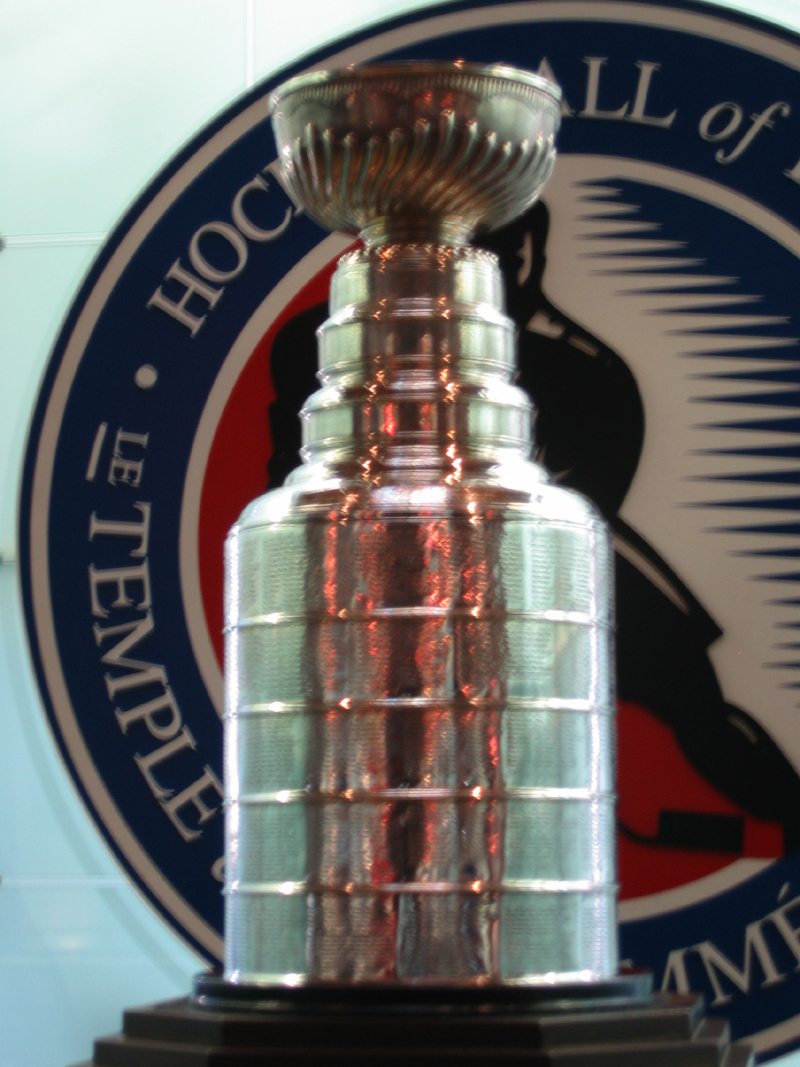
Regular season highlights
During the regular year many teams jockeyed for seeding while individual players posted significant scoring and goaltending performances. Traditional contenders asserted themselves in their divisions, and several clubs mounted late-season surges to earn playoff places. The standings reflected a mix of offensive firepower and defensive systems that defined team identities that year.
Playoffs and Stanley Cup Final
The postseason culminated in the Stanley Cup Final, where the Detroit Red Wings faced the Philadelphia Flyers. Detroit captured the championship by sweeping Philadelphia four games to none, securing the franchise's first Stanley Cup in 42 years. That victory ended a long drought for the Red Wings and became one of the most talked-about storylines of the decade.
Notable players, awards and records
The season featured standout performances among forwards, defensemen and goaltenders. Award voting recognized exceptional individual contributions across scoring, two-way play and netminding. Several players achieved career milestones and league leaders in points and goals provided highlight-reel moments during the schedule.
Significance and legacy
Beyond the immediate result, the 1996–97 season influenced team-building approaches and coaching trends that followed. For Detroit, the Cup win cemented a period of sustained competitiveness and became a defining chapter in franchise history. The season is also referenced in historical summaries of the league and in retrospectives on the evolution of professional hockey in North America.
Additional notes
- For full statistical details, award lists and game-by-game playoff information consult official records and season summaries: Stanley Cup records, team histories such as the Red Wings and the Flyers.
- Detroit's championship ended a Cup drought dating back to the mid-1950s; the organization and its fan base marked the occasion as a major milestone in franchise chronology: see historical notes here.
Questions and answers
Q: What was the 1996-97 NHL season?
A: The 1996-97 NHL season was the 80th regular season of the National Hockey League.
Q: Who won the Stanley Cup in the 1996-97 NHL season?
A: The Detroit Red Wings won the Stanley Cup in the 1996-97 NHL season.
Q: How many games did the Detroit Red Wings win in the Stanley Cup Finals?
A: The Detroit Red Wings swept the Philadelphia Flyers in four games during the Stanley Cup Finals.
Q: How long had it been since the Detroit Red Wings last won the Stanley Cup before the 1996-97 season?
A: The Detroit Red Wings had not won the Stanley Cup in 42 years before winning it in the 1996-97 season.
Q: Who did the Detroit Red Wings play in the Stanley Cup Finals?
A: The Detroit Red Wings played the Philadelphia Flyers in the Stanley Cup Finals.
Q: How many games did the Detroit Red Wings win in the 1996-97 season of the NHL?
A: It is not specified how many games the Detroit Red Wings won in the 1996-97 season of the NHL.
Q: How many Stanley Cups had the Detroit Red Wings won before the 1996-97 season?
A: It is not specified how many Stanley Cups the Detroit Red Wings had won before the 1996-97 season.
Related articles
Author
AlegsaOnline.com 1996–97 NHL season Leandro Alegsa
URL: https://en.alegsaonline.com/art/112266
Sources
- hockeydb.com : Hockey Database
- nhl.com : NHL.com