
1994 FIFA World Cup: Overview, Final and Legacy
The 1994 FIFA World Cup, hosted by the United States, featured 24 teams. Brazil won its fourth title after a goalless final decided by a penalty shootout; Roberto Baggio's miss became an enduring image.
Overview
The 1994 FIFA World Cup took place in the United States from 17 June to 17 July 1994. It was the first time the tournament was staged in the U.S., and it brought association football to many new spectators by using large-capacity stadiums across the country. Twenty-four national teams qualified and competed in a month-long event that combined group-stage play with knockout rounds. The competition is documented in many official sources, for example the official tournament pages.
Image gallery
10 Images




Format and venues
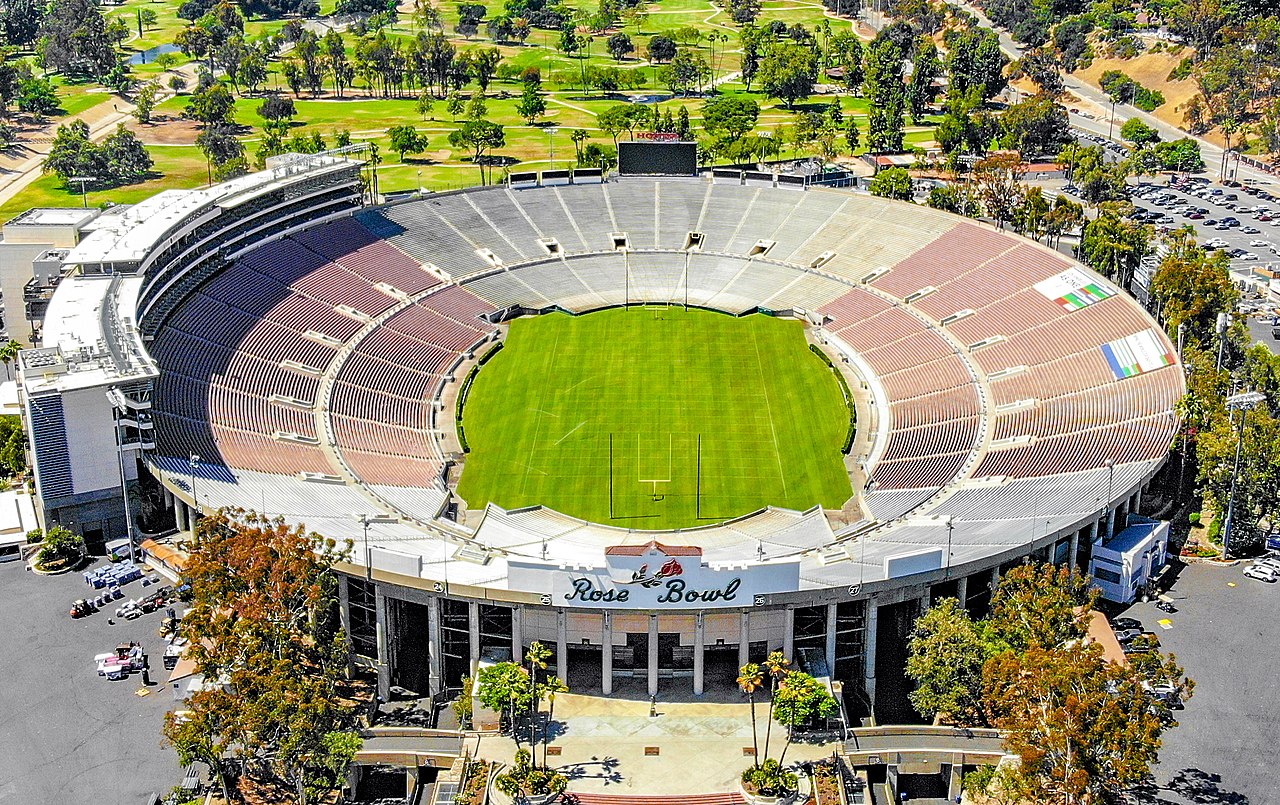
The event kept the 24-team format used since 1982: six groups of four teams, followed by a round of 16 and successive knockout rounds through to the final. Matches were held in existing multi-purpose stadiums—mostly U.S. football and baseball venues adapted for soccer—which helped produce high overall attendance figures and introduced large American audiences to top-level international soccer.
Key players and incidents
The tournament featured established stars and emerging talents. Brazil fielded a strong side that combined experience and flair, led on the field by players whose performances were crucial to the title run; see the Brazil national team overview. Italy reached the final with solidity and moments of attacking invention, while several individual stories captured attention: a leading Italian forward carried his nation deep into the competition—read more about him at the Roberto Baggio profile—and the Italian team page provides additional context (Italy national team).
The final and its decisive moment
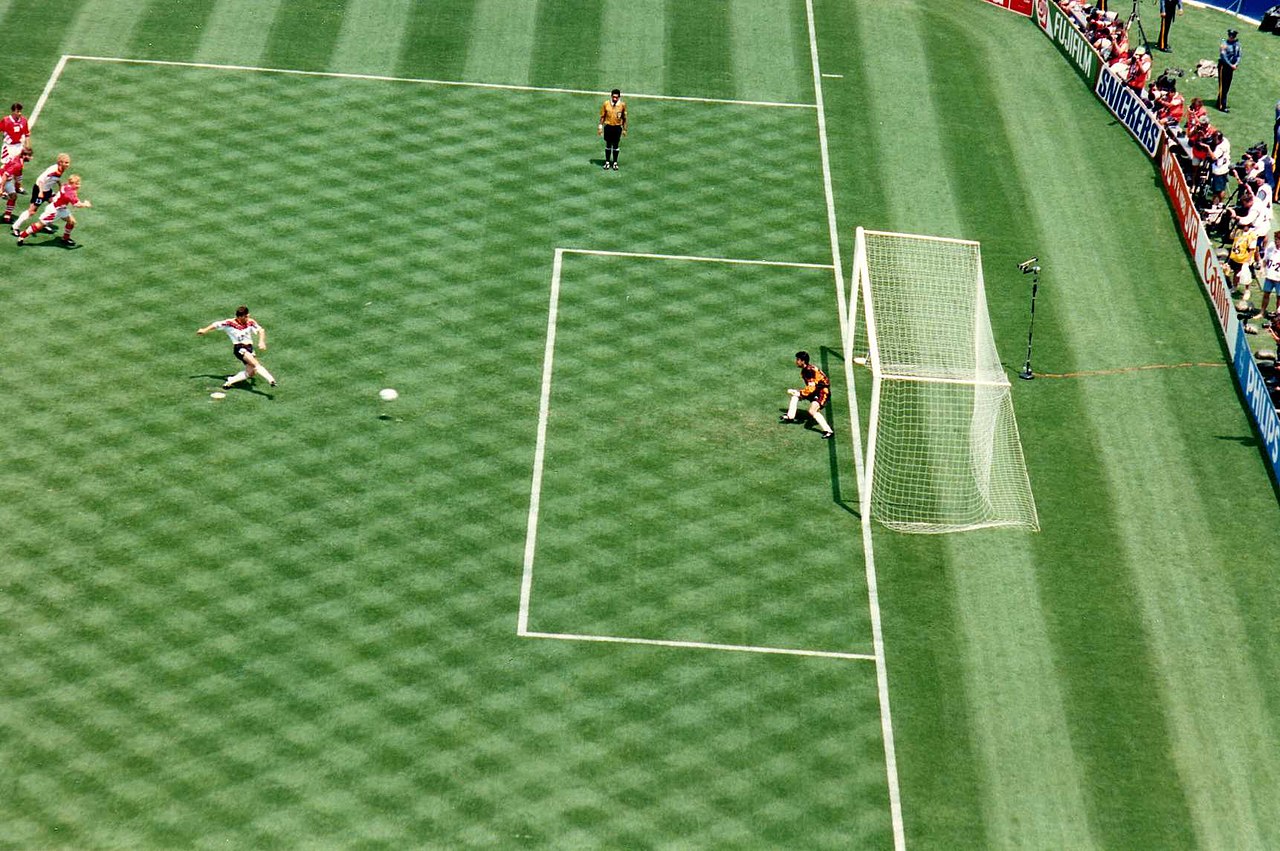
The championship match finished goalless after 120 minutes, and the winner was decided by a penalty shootout—the first World Cup final to be settled in that manner. Brazil prevailed, claiming its fourth World Cup title. The shootout ended with a high-profile miss by the Italian forward, an image that has endured in popular memory; accounts of the shootout mechanics and history are available at reference pages such as penalty shootout summaries.
Legacy and significance
The 1994 tournament had a lasting impact on soccer in the United States and on the sport globally. Hosting the Cup helped raise the profile of professional leagues and youth participation in the U.S., and the large attendances proved that FIFA events could draw substantial crowds outside traditional football nations. On the sporting side, the tournament is remembered for tight defensive matches, dramatic knockout games, and the wider cultural moment of a World Cup played in North America.
Notable facts
- First FIFA World Cup hosted in the United States.
- Final decided by a penalty shootout; Brazil won its fourth title.
- High attendances and the use of large multipurpose stadiums marked the event.
- Several individual storylines—both triumphant and controversial—shaped the tournament narrative.
Questions and answers
Q: When was the 1994 FIFA World Cup held?
A: The 1994 FIFA World Cup was held from June 17 to July 17 in the USA.
Q: How many teams participated in the 1994 FIFA World Cup?
A: 24 teams participated in the 1994 FIFA World Cup.
Q: Which country won the trophy at the 1994 FIFA World Cup?
A: Brazil won the trophy at the 1994 FIFA World Cup.
Q: Who missed the last penalty in a penalty shootout during the 1994 FIFA World Cup final?
A: Roberto Baggio from Italy famously missed the last penalty in a penalty shootout during the 1994 FIFA World Cup final.
Q: What kind of event was the 1994 FIFA World Cup?
A: The 1994 FIFA World Cup was a football sporting event.
Q: In which country was the 1994 FIFA World Cup held?
A: The 1994 FIFA World Cup was held in the USA.
Q: How long did the 1994 FIFA World Cup last?
A: The 1994 FIFA World Cup lasted for one month from June 17 to July 17.
Related articles
Author
AlegsaOnline.com 1994 FIFA World Cup: Overview, Final and Legacy Leandro Alegsa
URL: https://en.alegsaonline.com/art/112254
Sources
- fifa.com : FIFA