
1994–95 NHL season
A labor-shortened 78th NHL season (48 games) highlighted by defensive play, 26 teams, 60 shutouts, and the New Jersey Devils’ first Stanley Cup, swept over the Detroit Red Wings.
Overview
The 1994–95 NHL season was the 78th regular season of the National Hockey League. A labor dispute between players and owners produced a lockout that shortened the schedule: each of the 26 teams played 48 regular-season games instead of the usual 82. The stoppage delayed the start until January 1995 and reduced the overall number of contests to 624 games for the regular season.
Image gallery
1 Image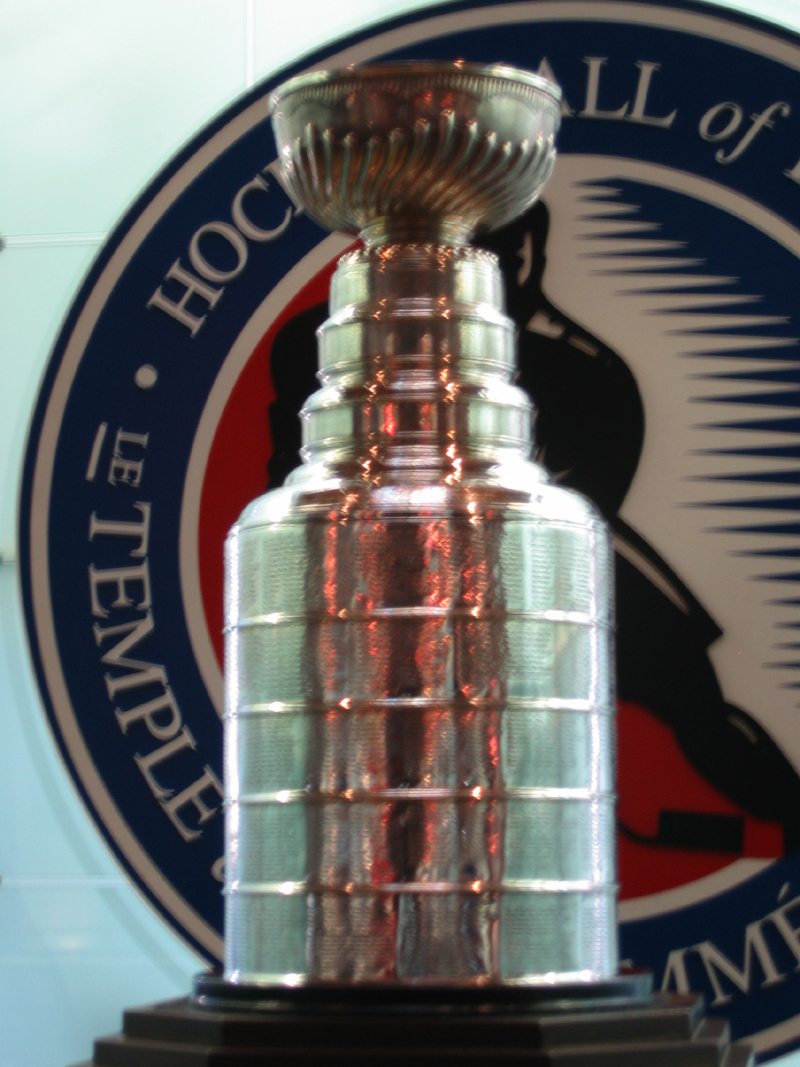
Labor dispute and schedule
The lockout that produced the truncated season arose from disagreements over a new collective bargaining agreement. After a work stoppage lasting more than three months, the sides reached terms that allowed hockey to resume in January. The compressed calendar emphasized divisional play and regional matchups to limit travel while still fitting a postseason into the calendar.
Playing style and regular-season characteristics
The 1994–95 season is often remembered for its low scoring and defensive emphasis. For the first time since the 1969–70 season, no team averaged more than four goals per game; managers and coaches frequently used defensive systems that clogged the neutral zone and prioritized structure over offense. That tendency is reflected in the season totals: 60 shutouts were recorded during the 624 regular-season games. Teams played a compact schedule, and every game carried increased significance because of the reduced number of opportunities to earn points.
Key statistics and notable facts
- Teams: 26 franchises competed in two conferences and multiple divisions.
- Games per team: 48.
- Total regular-season games: 624.
- Regular-season shutouts: 60.
Playoffs and Stanley Cup
The postseason culminated with the New Jersey Devils capturing the Stanley Cup in a four-game sweep of the Detroit Red Wings. The Devils’ system-oriented, defense-first approach, which had been effective in the regular season, played a central role in their playoff success. The championship was the first Stanley Cup in franchise history. The 1995 playoffs also featured unusual scoring patterns: 28 shorthanded goals were scored across the 81 playoff games and seven hat-tricks were recorded.
Significance and legacy
Beyond the immediate results, the 1994–95 season reinforced the growing influence of defensive tactics in the NHL during the 1990s. It also demonstrated how labor disputes could reshape a season’s competitive balance and rhythm. For historical perspective and comparisons, readers often refer back to earlier low-scoring eras such as the 1969–70 season and to league-wide summaries at the NHL level. For team- and trophy-specific context, see pages on the New Jersey Devils, the Detroit Red Wings, and the Stanley Cup.
Further reading
Season summaries, player leaderboards and game logs provide deeper detail on individual performances and team records. For general histories of the league and its contract disputes, consult comprehensive sources and archival material maintained by the league and team histories at the links above.
Questions and answers
Q: How many teams participated in the 1994-95 NHL season?
A: Twenty-six teams participated in the 1994-95 NHL season.
Q: How many games did each team play?
A: Each team played 48 games, due to a lockout of the players by the owners.
Q: What was the average number of goals scored per game during this season?
A: For the first time since the 1969–70 NHL season, no team averaged more than four goals scored per game.
Q: How many shutouts happened during this regular season?
A: A total of 60 shutouts happened in the 624 regular-season games.
Q: Who won the Stanley Cup that year?
A: The New Jersey Devils won the Stanley Cup in a four-game sweep of the Detroit Red Wings.
Q: How many shorthanded goals were scored in 1995 playoffs?
A: An unusually high number of shorthanded goals (28) were scored in the 81 playoff games of 1995.
Q: How many hat tricks were recorded during 1995 Playoffs?
A: Seven hat-tricks were recorded in the 1995 Playoffs.
Related articles
Author
AlegsaOnline.com 1994–95 NHL season Leandro Alegsa
URL: https://en.alegsaonline.com/art/112250
Sources
- habsinsideout.com : habsinsideout.com/main/3969.html