
1952 United States presidential election: Eisenhower vs. Stevenson
A comprehensive overview of the 1952 U.S. presidential election: candidates, campaign themes, results, and historical significance, focusing on Dwight D. Eisenhower’s victory over Adlai Stevenson.
Overview
The 1952 United States presidential election marked a decisive transition in American politics in the early Cold War era. The Republican nominee, General Dwight D. Eisenhower, defeated Democratic Governor Adlai Stevenson by a large margin in the Electoral College. Eisenhower's appeal as a wartime leader and a moderate Republican combined with public concerns about the Korean War, domestic corruption scandals, and anti-communism to produce a clear victory. The election also demonstrated the growing importance of media and organized campaign advertising in national contests.
Image gallery
10 Images


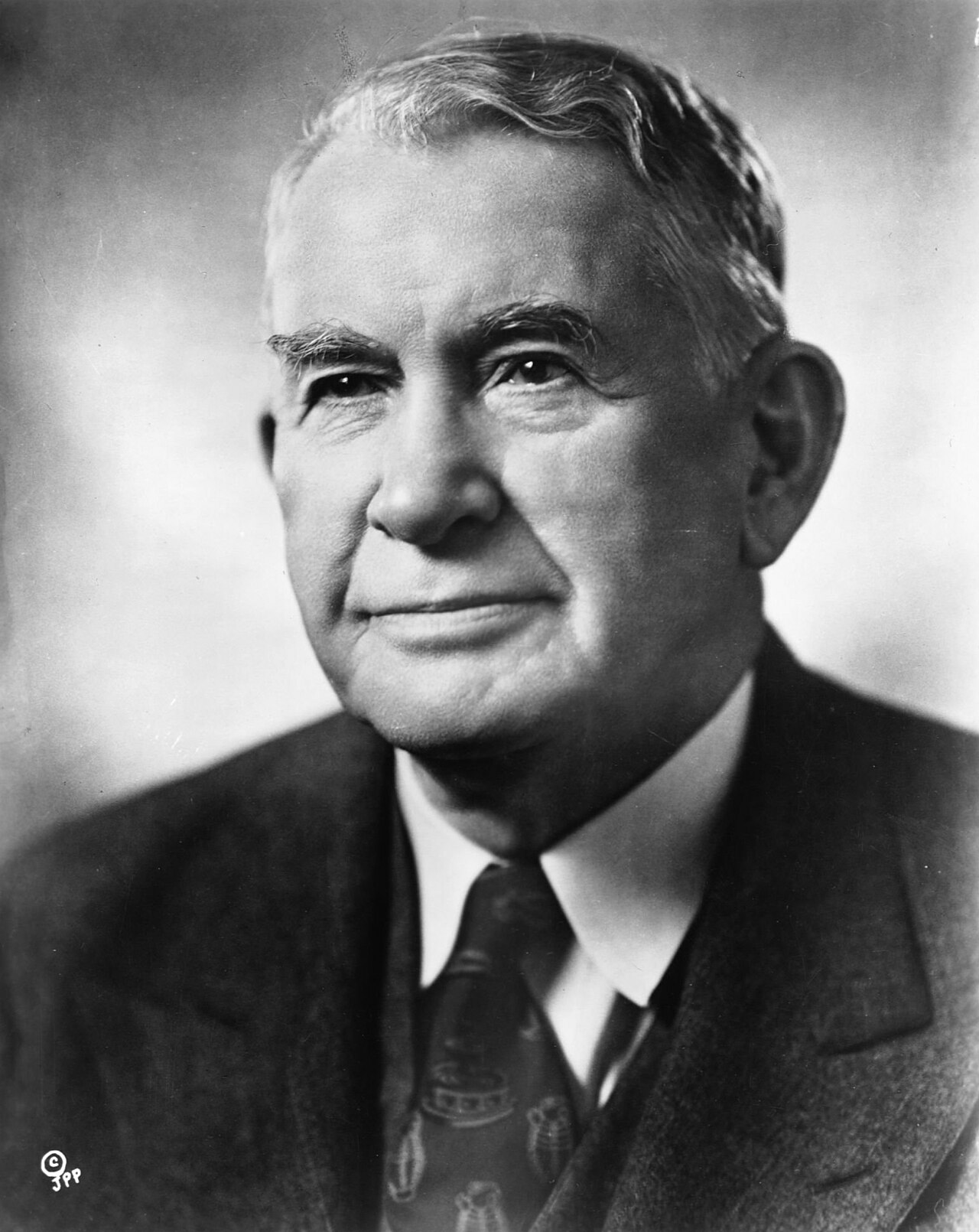


Candidates and nominations
The Democratic Party nominated Adlai Stevenson, a governor known for intellectual speeches and reform-minded rhetoric. Stevenson had emerged as a fresh alternative after President Harry S. Truman decided not to run for another term, despite being the sitting incumbent and still eligible under rules set by the recent 22nd Amendment. Truman's withdrawal opened the field for Stevenson to unite many Democrats, though some party factions remained uncertain about his appeal to working-class and Southern voters.
On the Republican side, the party coalesced around General Dwight D. Eisenhower, a popular military leader whose World War II and NATO credentials gave him broad national recognition. Eisenhower presented himself as a pragmatic leader who could manage Cold War tensions, bring political reform, and achieve peace in Korea. His candidacy attracted both traditional conservatives and more moderate Republicans.
Campaign themes and tactics
Major issues in 1952 included the ongoing Korean War, fears about communist influence, concerns about government corruption and inefficiency, and a desire for stability after years of wartime mobilization. Campaigns relied increasingly on modern advertising techniques; television provided a new medium for concise, image-focused messages, although radio and newspapers remained important. Stevenson emphasized intellectual leadership and policy debate, while Eisenhower stressed unity, competence, and a promise to negotiate an end to the Korean conflict if elected.
Results
In the Electoral College, Eisenhower won a commanding victory. The official tally gave Eisenhower 442 electoral votes to Stevenson’s 89. In the popular vote, Eisenhower carried a substantial margin nationwide, winning many industrial states and much of the Northeast and Midwest, while Stevenson retained parts of the South and some urban centers. The map reflected both personal popularity for Eisenhower and a Republican advantage after two decades of Democratic dominance at the presidential level.
- Electoral vote: Eisenhower 442, Stevenson 89.
- Notable facts: Eisenhower was 62 at the time of his election, making him one of the older presidents elected up to that point; historical comparisons sometimes cite James Buchanan (65 in 1856) and later Ronald Reagan (69 in the 1980 election).
Significance and aftermath
The 1952 election ended two decades of uninterrupted Democratic control of the presidency and signaled a pragmatic, centrist turn in national policy under Eisenhower. His administration would emphasize infrastructure investment, containment of Soviet influence, and a cautious approach to domestic reform. The election also accelerated the adaptation of candidates and parties to television-era campaigning and foreshadowed the importance of media management and personal image in later contests.
Further context
For readers seeking more detail, the 1952 contest can be viewed as part of the early Cold War political realignment. The Democratic Party, led in 1952 by figures around the convention and national ticket, faced internal debates about civil rights, labor, and foreign policy. Voters weighed those debates against a widely respected military leader who promised competence and a steady hand. Together, these dynamics shaped the outcome and helped set the course for U.S. politics in the 1950s.
Related topics and primary sources about the campaign, conventions, and post-election policy shifts can be explored through party archives and presidential libraries; see entries linked here for institutional context: Stevenson (state leadership), role of the presidency, and the Democratic Party.
Contemporary accounts and retrospective analyses discuss how leadership experience, campaign strategy, and international events combined to produce one of the clearer electoral victories in mid-20th-century American politics.
Questions and answers
Q: Who were the candidates in this election?
A: The candidates in this election were Governor of Illinois Adlai Stevenson and General Dwight D. Eisenhower.
Q: How many electoral votes did Eisenhower win by?
A: Eisenhower won the election by 442 electoral votes.
Q: How many electoral votes did Adlai Stevenson get?
A: Adlai Stevenson got only 89 electoral votes.
Q: Was President Harry S. Truman eligible to run again for president due to the 22nd amendment?
A: No, President Harry S. Truman was not eligible to run again because the newly passed 22nd amendment did not apply to the incumbent president at that time.
Q: Who was nominated by the Democratic Party instead of Truman?
A: The Democratic Party nominated Adlai Stevenson instead of Truman.
Q: How old was Eisenhower when he won the election?
A: Eisenhower was 62 years old when he won the election.
Q: When was an older candidate last elected before Eisenhower?
A:The last time an older candidate was elected before Eisenhower was when James Buchanan was elected in 1856 at 65 years old, something that wouldn't happen again until 69-year old Ronald Reagan won the 1980 election.
Related articles
Author
AlegsaOnline.com 1952 United States presidential election: Eisenhower vs. Stevenson Leandro Alegsa
URL: https://en.alegsaonline.com/art/112024
Sources
- usatoday30.usatoday.com : "Disapproval of Bush breaks record"
- uselectionatlas.org : "The Presidents"