
1944 Great Atlantic Hurricane
A powerful September 1944 tropical cyclone that moved along the U.S. Atlantic coast from North Carolina to New England, killing several hundred people and causing widespread damage.
Overview
The 1944 Great Atlantic Hurricane was a severe tropical cyclone that struck the eastern United States in September 1944. It moved along the U.S. Atlantic seaboard and produced destructive winds, storm surge, and heavy rainfall. Contemporary accounts put the human toll at roughly 300–400 fatalities and estimate property and economic losses near $100 million (1944 dollars). For an overview of the storm and its general tracks, see storm summaries.
Image gallery
10 Images



Meteorological characteristics
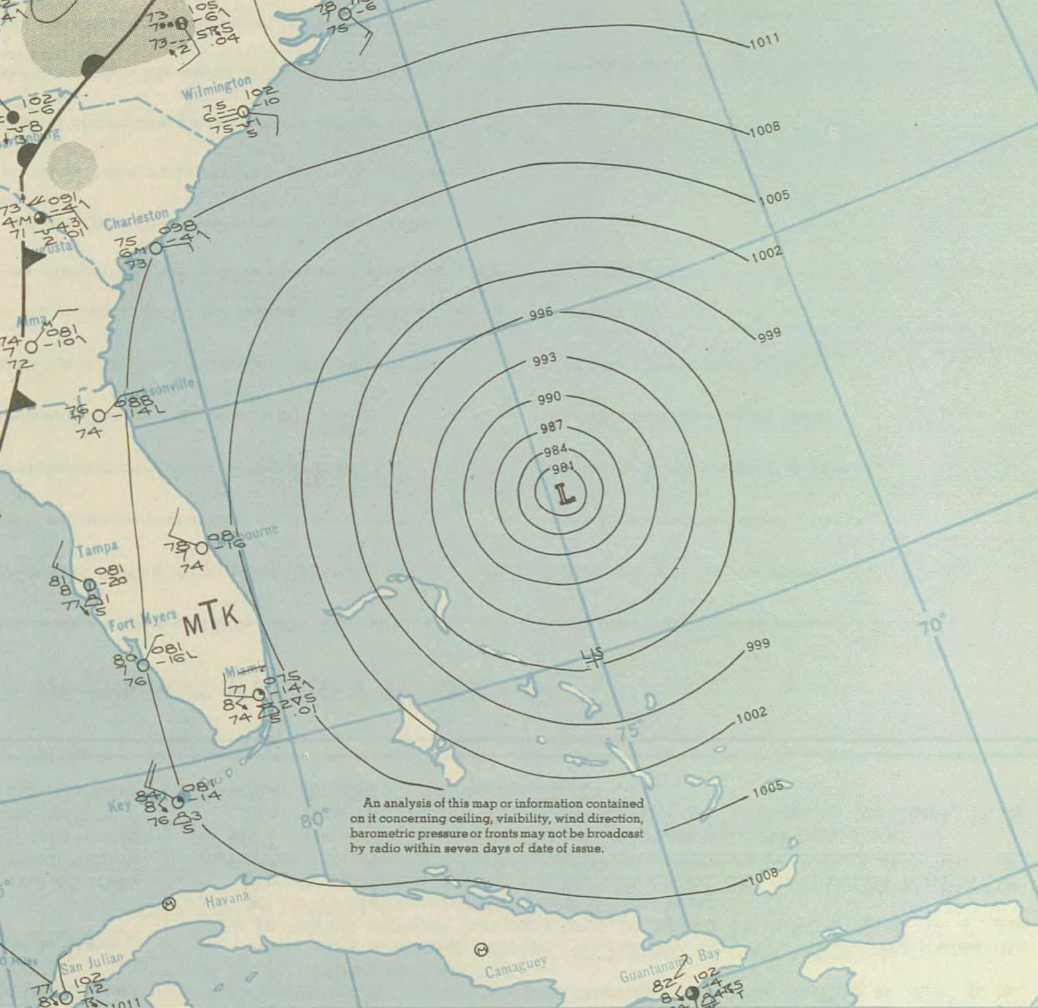
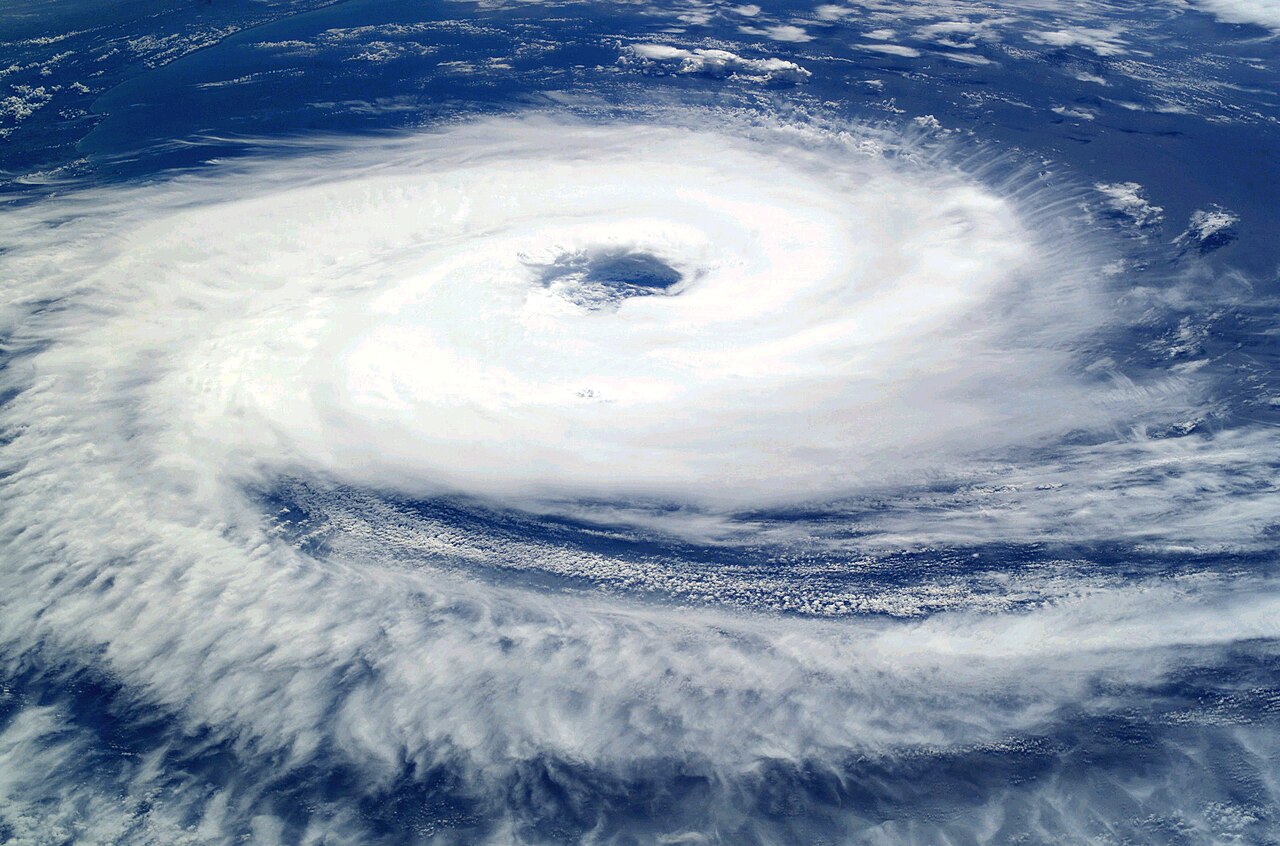
Like other major Atlantic hurricanes, the storm featured a compact core of strong winds around a central eye, intense convection, and a broad area of gale-force winds that extended far from the center. Its trajectory carried the system northward along the coast, bringing hurricane conditions to coastal areas and heavy inland rainfall. The affected corridor is commonly described as extending from North Carolina northward to New York and into central New England. Remote-sensing and observational networks of the era were limited, so modern reanalyses have relied on ship reports, coastal observations, and barometric records to reconstruct intensity and track; more details can be found via historical meteorology resources.
Impact and human consequences
The hurricane inflicted heavy damage on coastal communities through a combination of wind, storm surge, and flooding. Fishing fleets, small craft, and merchant shipping along the Atlantic seaboard experienced significant losses; coastal infrastructure such as piers, wharves, and boardwalks were severely damaged in many places. The reported death toll—commonly cited as between 300 and 400 people—reflects fatalities at sea, coastal inundation, and land-based accidents during and after the storm. Economic estimates from the time placed direct losses at about $100 million, a substantial sum for the period.
Aftermath and legacy
Coming late in 1944 during the Second World War, the hurricane complicated wartime coastal operations and relief efforts. In the storm's wake, local and federal authorities carried out rescue, recovery, and rebuilding operations. The event contributed to a growing recognition of the need for improved forecasting, warning dissemination, and coastal planning; these lessons influenced later investments in meteorological services and emergency management practices.
Notable facts and distinctions
- It is remembered as one of the deadliest Atlantic storms of the mid-20th century for the United States coast.
- Damage estimates and fatality counts vary among sources because reporting standards and communications were more limited in 1944; researchers consult multiple archives and reports to refine historical assessments—see archival summaries and research notes.
- The storm's northeastward track along a heavily populated coastline made its impacts disproportionately severe relative to its size.
For additional context and contemporary reports, consult historical storm logs and regional archives (North Carolina records, New York accounts, and New England summaries), which preserve firsthand observations, damage assessments, and local narratives of the 1944 Great Atlantic Hurricane.
Questions and answers
Q: When did the 1944 Great Atlantic hurricane occur?
A: The 1944 Great Atlantic hurricane occurred in September 1944.
Q: What was the extent of the impact of the hurricane?
A: The entire U.S. Atlantic seaboard was affected by the hurricane, with several states from North Carolina to New York and central New England being hit.
Q: Was the 1944 Great Atlantic hurricane a severe tropical cyclone?
A: Yes, the 1944 Great Atlantic hurricane was a severe tropical cyclone.
Q: How many people died as a result of the hurricane?
A: The hurricane caused the death of around 300-400 people.
Q: How much damage did the 1944 Great Atlantic hurricane cause?
A: The hurricane caused $100 million in damage.
Q: Did the 1944 Great Atlantic hurricane only affect the U.S.?
A: Yes, the 1944 Great Atlantic hurricane only affected the U.S. Atlantic seaboard.
Q: What time of the year did the 1944 Great Atlantic hurricane occur?
A: The 1944 Great Atlantic hurricane occurred in September.
Related articles
Author
AlegsaOnline.com 1944 Great Atlantic Hurricane Leandro Alegsa
URL: https://en.alegsaonline.com/art/111994
Sources
- hpc.ncep.noaa.gov : "Atlantic Hurricane of 1944"
- hurricanescience.org : "1944- Great Atlantic Hurricane"
- nj.com : "Hurricane Irene's predecessor: The Great Atlantic Hurricane of 1944"
- nj1015.com : "NJ History: The Great Atlantic Hurricane of 1944 Battered NJ on Sept. 14"
- wmo.int : "Tropical Cyclone Naming"
- erh.noaa.gov : "The Hurricanes of the 1940s in Virginia and North Carolina"
- mwdc.org : "Vineyard Sound Lightship"