
1933 Atlantic hurricane season
One of the busiest Atlantic hurricane seasons on record, the 1933 season produced more than twenty tropical storms and underscored limits of pre-satellite detection and historical recordkeeping.
Overview
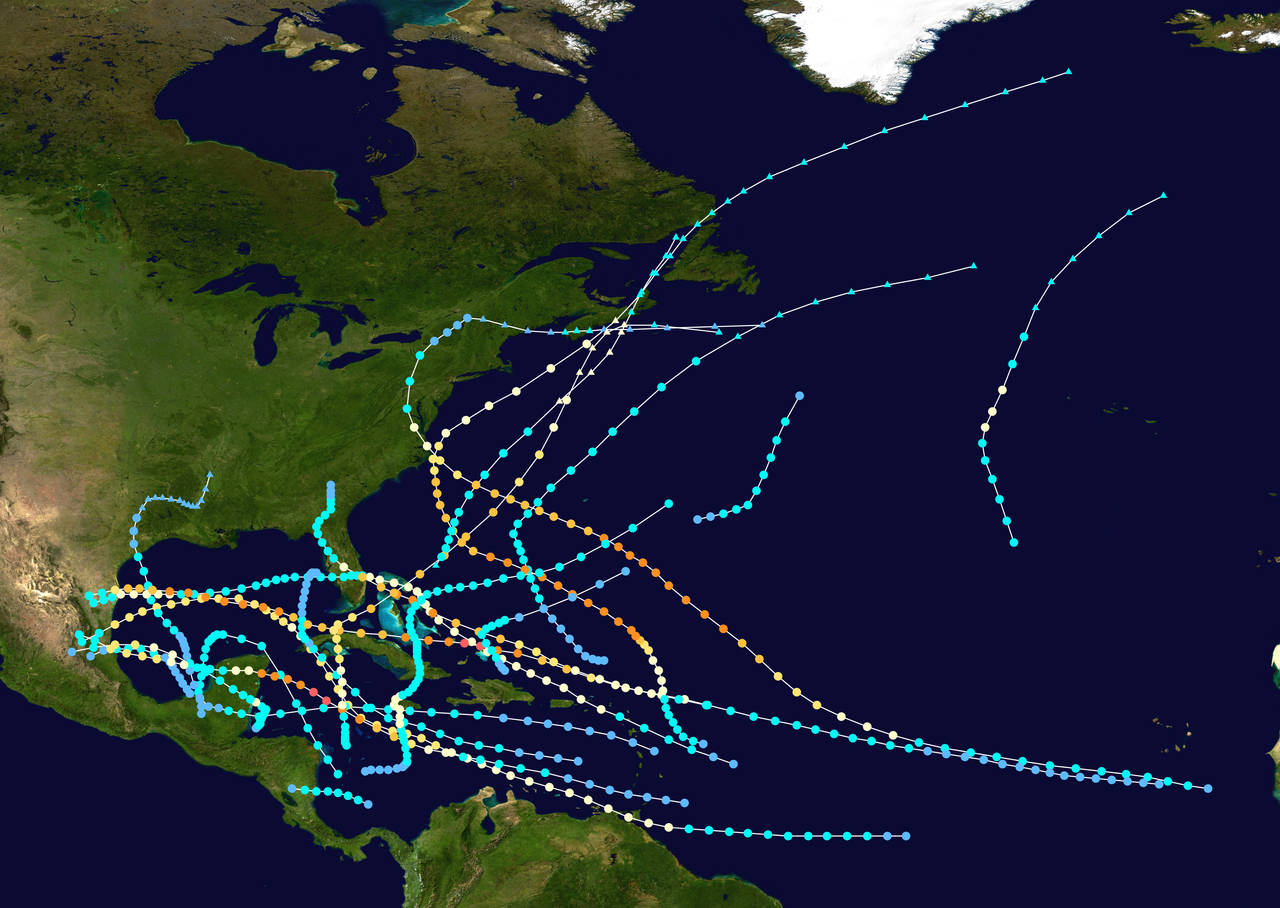
The 1933 Atlantic hurricane season produced an exceptionally large number of tropical cyclones. The season is conventionally described as beginning in the summer of 1933 and continuing into the late fall. Contemporary records and later reanalyses list more than twenty tropical storms during that period, making 1933 one of the most active seasons in the historical record.
Image gallery
10 Images


Activity and records
By many counts the season ranked as the third most active Atlantic hurricane season on record. The total number of observed storms has been compared with later active years; it tied with 1995 for the number of recorded systems, while only 2005 and 2020 exceeded it in raw storm count. These comparisons highlight changes in detection capability and interpretation of historical data over time.
Typical characteristics
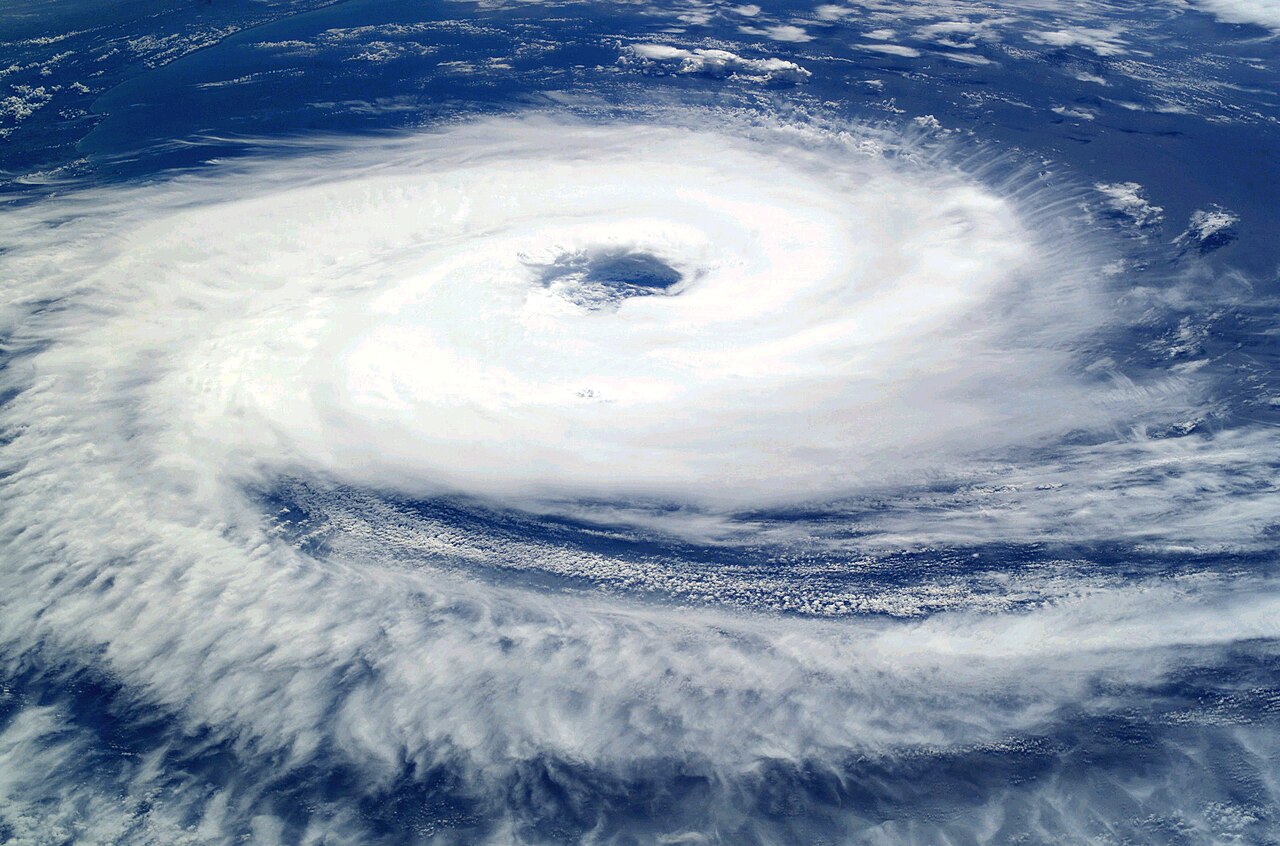
Storms in 1933 included long-lived tropical cyclones that tracked across the Atlantic and several systems that developed in the Caribbean or Gulf of Mexico. Many originated as easterly waves off Africa, commonly called Cape Verde–type disturbances, and a number intensified to hurricane strength. Observations of intensity and structure are limited by the instruments of the era, but reports indicate several powerful storms with significant winds and surge.
Impacts and notable consequences
Individual storms caused considerable disruption to shipping, agriculture and coastal communities throughout the Caribbean, the Gulf Coast, and the eastern United States. Landfalls produced coastal flooding, wind damage and interruptions to communications and transportation. Because record-keeping then relied on ships, coastal stations and ground observations, detailed modern-style damage and economic tallies are often incomplete.
Detection, naming and record limitations
Before routine aerial and satellite surveillance, many tropical cyclones were detected only when they affected ships or made landfall. As a result, historical counts from 1933 may omit short-lived or remote storms. Prior to about 1950, storms were not given personal names; they were typically numbered or referred to by the place they struck. Modern reanalysis projects continue to refine the track and intensity estimates for these early-season storms.
Legacy and further reading
The 1933 season remains important to climatologists studying long-term variability in Atlantic tropical cyclone activity. It is often cited when comparing pre-satellite and satellite-era records and when assessing how improvements in observation have affected storm counts. For contemporary summaries and archival material consult historical storm lists and dedicated hurricane reanalysis resources (season overview, annual context, season timeline, activity ranking, 1995 comparison, 2005 comparison, naming convention).
Questions and answers
Q: When did the 1933 Atlantic hurricane season begin?
A: The 1933 Atlantic hurricane season began in the Summer of 1933.
Q: When did the 1933 Atlantic hurricane season end?
A: The 1933 Atlantic hurricane season ended near the end of Fall in 1933.
Q: How active was the 1933 Atlantic hurricane season compared to other years?
A: The 1933 Atlantic hurricane season was the third most active on record, tied with 1995 for number of storms. Only 2005 and 2020 had a higher number of storms.
Q: Did storms before 1950 have names?
A: No, storms before 1950 were given numbers instead of names.
Q: Could there have been more than 21 storms during this time period?
A: Yes, it is possible that there could have been more than just 21 storms during this time period.
Related articles
Author
AlegsaOnline.com 1933 Atlantic hurricane season Leandro Alegsa
URL: https://en.alegsaonline.com/art/111963