
1870 Atlantic hurricane season
A brief account of the 1870 Atlantic hurricane season, its limited recorded activity, how storms were observed in the 19th century, and why historical hurricane records are uncertain.
The 1870 Atlantic hurricane season is remembered as a year with comparatively few documented tropical cyclones. Contemporary records list only a small number of systems crossing the Atlantic basin, and none became famous in the way later, better-observed hurricanes did. Because meteorological observation in 1870 relied on ship reports, coastal stations and newspapers, the season's recorded activity is considered incomplete by modern standards.
Image gallery
10 Images


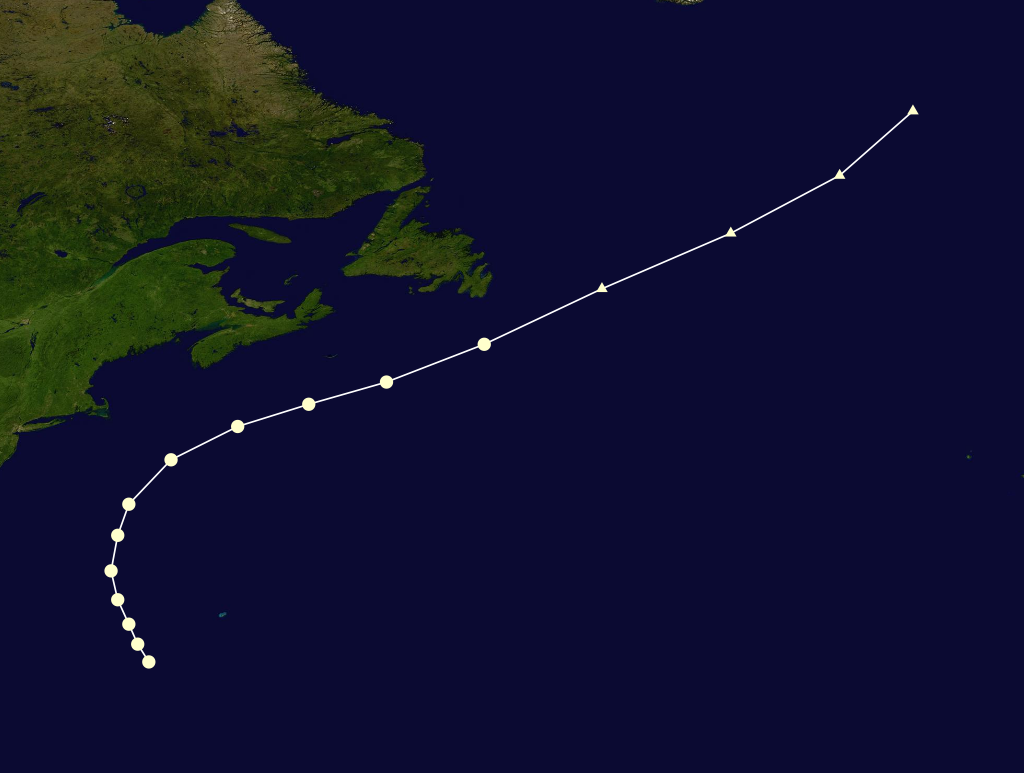


Observations and recordkeeping
In 1870 there were no satellites, radar, or routine aircraft reconnaissance. Observations came from merchant and naval ships, isolated coastal weather stations, and press reports of damage. Those sources were geographically sparse and often delayed. Modern researchers use the Atlantic hurricane database (HURDAT) and subsequent reanalysis projects to reconstruct earlier seasons, but uncertainty remains about the exact number, intensity and tracks of storms from this era.
Storm activity and impacts
Available records indicate only a handful of tropical cyclones during the season, and the documented impacts were generally localized. Some storms were reported by mariners or caused damage along pieces of the coastline, but there are no widely cited, basin-wide catastrophes clearly attributed to the 1870 season. Because of gaps in observation, storms that remained at sea or affected poorly instrumented regions may have gone unrecorded.
Historical context and reanalysis
Reanalysis efforts carried out by meteorologists and historians have revisited 19th-century seasons, comparing ship logs, newspapers and early weather observations to refine storm tracks and intensities. Those studies have improved understanding of seasons like 1870 but cannot fully eliminate undercount bias — the tendency for some storms to be missed when observational coverage is limited.
Why the 1870 season matters
Although not notable for major, well-documented hurricanes, the 1870 season provides a useful example of the limits of pre-satellite hurricane climatology. It highlights the importance of historical records in building long-term storm databases and in understanding how observational gaps influence our view of past variability in Atlantic hurricane activity.
Key points
- Few tropical cyclones are recorded for 1870; the historical count is likely incomplete.
- Observation methods of the time relied on ships, coastal stations and reports, creating geographic gaps.
- Modern reanalysis refines but cannot fully resolve uncertainties in early hurricane records.
Questions and answers
Q: What year was the 1870 Atlantic hurricane season?
A: The 1870 Atlantic hurricane season occurred in 1870.
Q: How many storms were there during this season?
A: There were not many storms during the 1870 Atlantic hurricane season.
Q: Where did this hurricane season take place?
A: The 1870 Atlantic hurricane season took place in the Atlantic Ocean.
Q: Was it an active or inactive storm season?
A: It was an inactive storm season.
Q: What type of weather event occurred during this time period?
A: During this time period, a hurricane season occurred in the Atlantic Ocean.
Q: Was there any damage caused by these storms?
A: It is unclear if any damage was caused by these storms as there weren't many of them.
Related articles
Author
AlegsaOnline.com 1870 Atlantic hurricane season Leandro Alegsa
URL: https://en.alegsaonline.com/art/111836