
10 Downing Street
Official London residence and office of the UK Prime Minister, with historic origins, state functions, and symbolic importance at the heart of British government.
Overview
10 Downing Street is the principal London residence and working office of the Prime Minister of the United Kingdom. The building serves as both a private home for the serving prime minister and a base for official business; it is widely recognised as a symbol of the British executive. The site is commonly referred to simply as "No. 10" and appears frequently in news coverage and official communications about government policy.
Image gallery
10 Images




Location and surroundings
The house stands on Downing Street in the City of Westminster, a short distance from several major landmarks. It lies close to St James's Park and is within walking distance of both Buckingham Palace and the Palace of Westminster, which houses the two chambers of Parliament. Its location places the prime minister at the administrative and ceremonial centre of the capital.
History and architecture
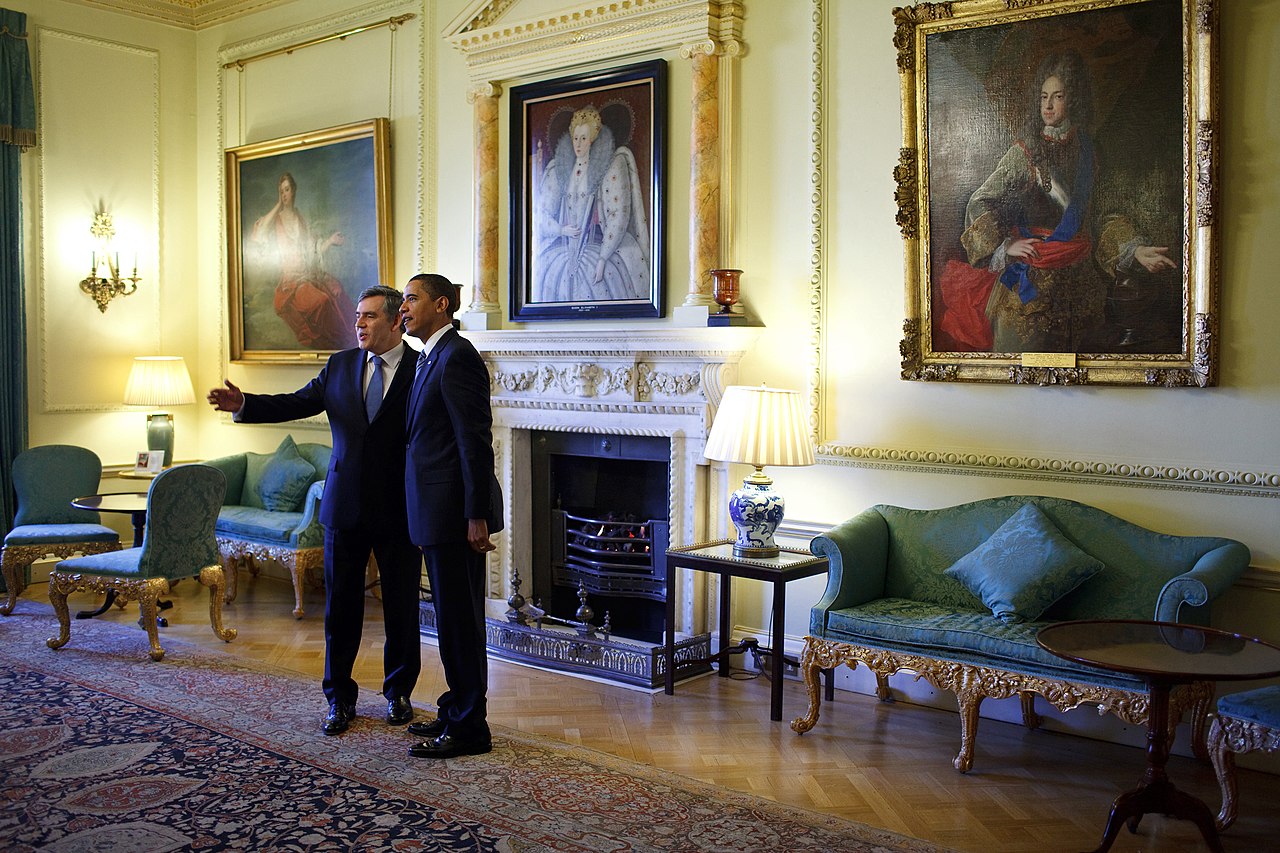
The property has origins that date back more than three centuries. The residence was presented by George II in 1733 to Robert Walpole, who is often described as the first holder of the modern premiership. Over time several older townhouses were linked and altered to form the present No. 10, creating a complex of rooms and state spaces. The building retains a Georgian character in parts and today contains roughly one hundred rooms, including reception rooms and offices used for government business.
Function and uses
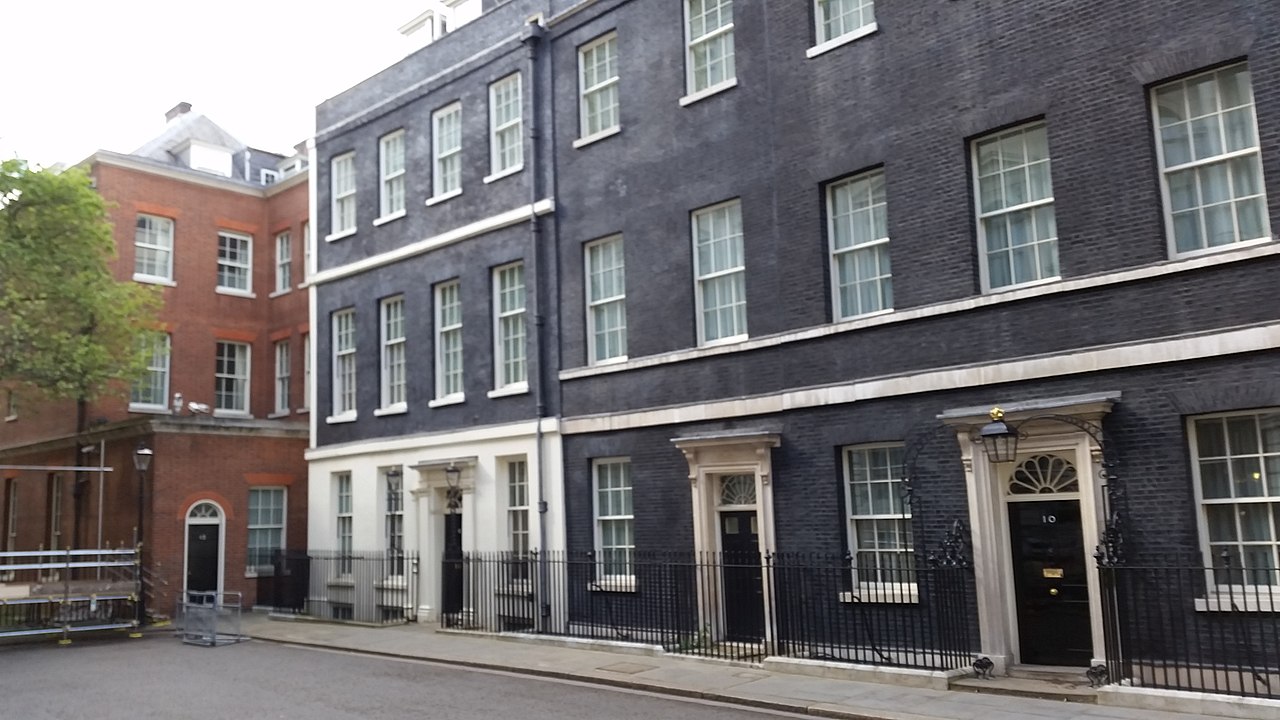
No. 10 combines functions that are residential, administrative and ceremonial. It accommodates meetings with ministers and civil servants, receives visiting heads of state, and hosts formal and informal receptions. The front courtyard and famous black door are frequent backdrops for press statements and photographic moments that communicate governmental change and announcements. Internally, a mix of private apartments and public rooms supports day-to-day leadership activities.
Security, access and public role
Because of its political importance the house and its street are subject to substantial security measures and restricted public access. While the building continues to be used for both private and public purposes, it also functions as a powerful metonym for the office of the prime minister and, by extension, for the government itself. For historical context, visitor information and official statements see the government's materials linked from the building's official references such as the official residence page and other public resources.
Notable facts
- No. 10 is often shortened to "Number Ten" or "No. 10" in media and conversation.
- Its appearance and the black front door are iconic images associated with British political life.
- The building is both a working office and a private home, a combination shared by few other national leaders' residences.
Questions and answers
Q: What is 10 Downing Street?
A: 10 Downing Street is the address of the London residence and office of the Prime Minister of the United Kingdom.
Q: Who was the first official Prime Minister of the country?
A: Robert Walpole was the first official Prime Minister of the United Kingdom.
Q: When was the residence presented to the first Prime Minister?
A: The residence was presented by George II in 1733 to Robert Walpole, the first official Prime Minister of the country.
Q: Where is 10 Downing Street located?
A: It is in Downing Street in the City of Westminster.
Q: How old is the house?
A: The house is over 300 years old.
Q: How many rooms does the house have?
A: The house has about 100 rooms.
Q: What famous landmarks are close to 10 Downing Street?
A: The house is close to St James's Park, Buckingham Palace, and the Palace of Westminster (which is the meeting place of both houses of Parliament).
Related articles
Author
AlegsaOnline.com 10 Downing Street Leandro Alegsa
URL: https://en.alegsaonline.com/art/111012