
100 Greatest Britons (BBC public poll, 2002)
Overview and context for the BBC's 2002 poll that ranked the 100 Greatest Britons, with summary of the top ten, background on format and reception, and links to further resources.
Overview
The 100 Greatest Britons was a television and radio series produced by the BBC in 2002 that presented the results of a nationwide public poll to identify the most influential people in British history. The project combined viewer voting, documentary profiles and studio programmes. The series aimed to spark public debate about national identity and achievement while profiling figures from diverse eras and fields. For the original BBC presentation and programme information see BBC programme page.
Image gallery
10 Images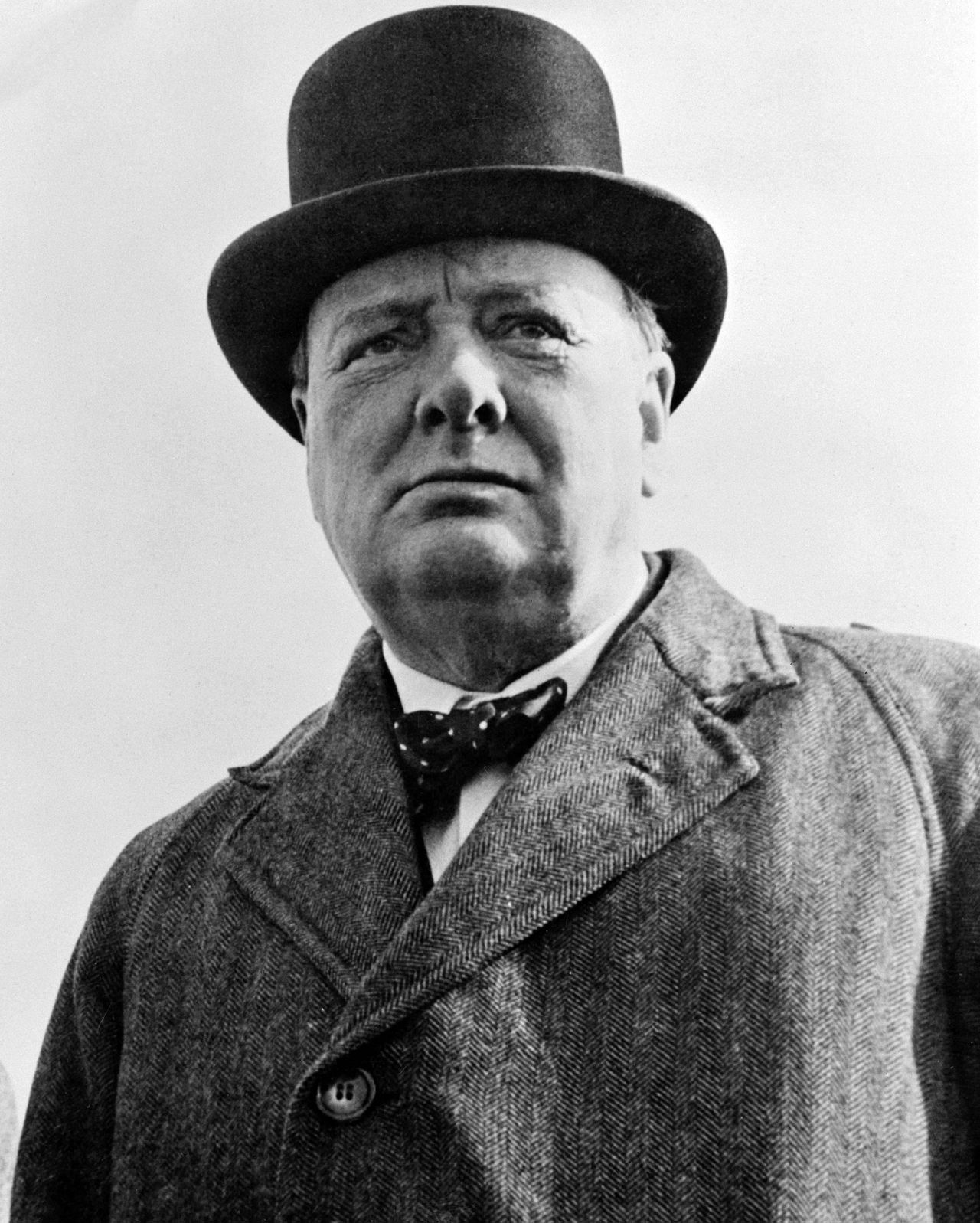


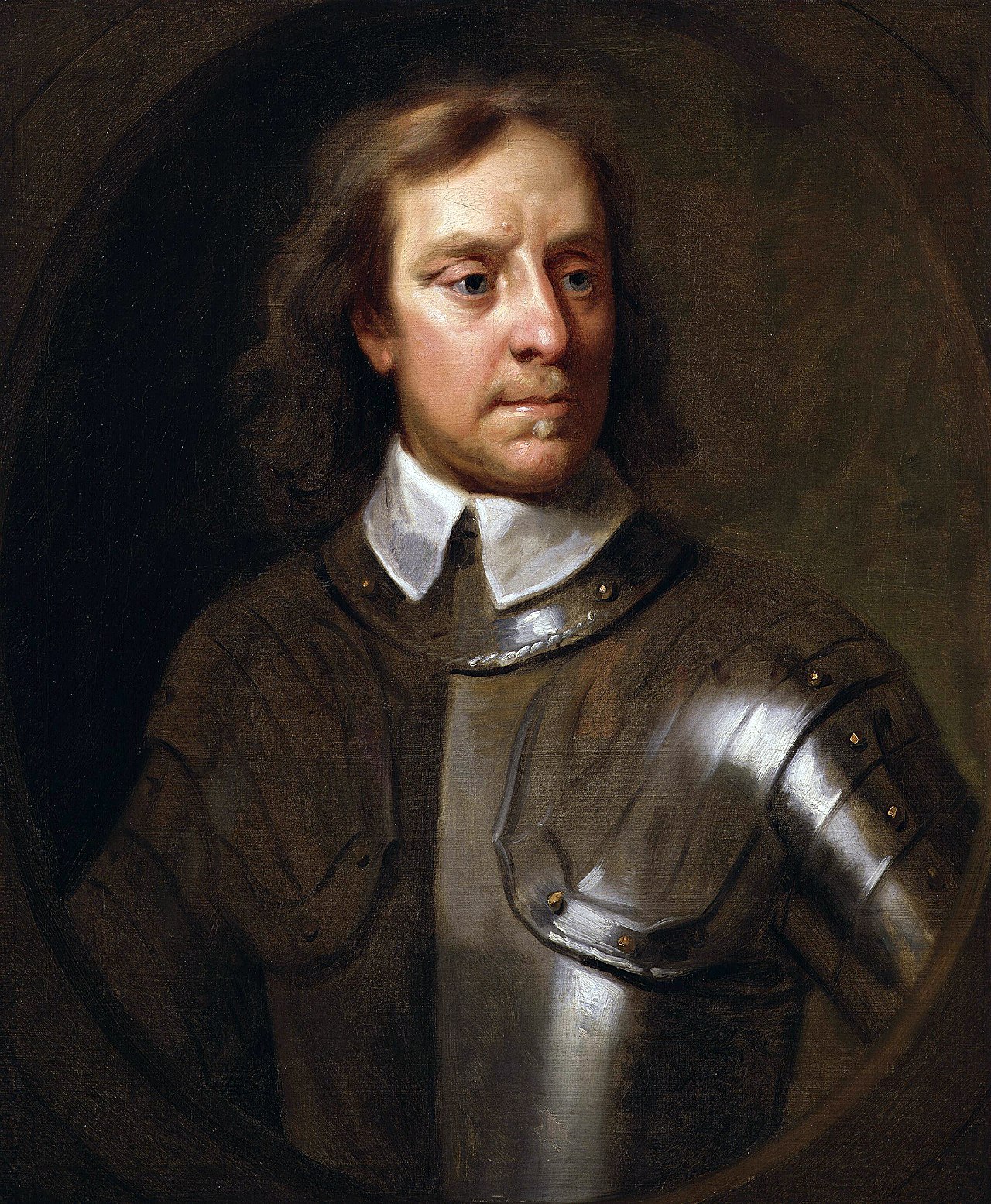


Top ten and brief descriptions
The poll's final ranking highlighted a mixture of political leaders, innovators, scientists, writers and cultural figures. The top ten were:
- Sir Winston Churchill (1874–1965) – wartime prime minister, statesman and orator; further context: Churchill profile.
- Isambard Kingdom Brunel (1806–1859) – pioneering Victorian engineer known for railways, bridges and shipbuilding; see Brunel profile.
- Diana, Princess of Wales (1961–1997) – prominent public figure noted for charitable work and global profile; summary at Diana profile.
- Charles Darwin (1809–1882) – naturalist and author of The Origin of Species; background: Darwin profile.
- William Shakespeare (1564–1616) – poet and dramatist widely regarded as central to English literature; see Shakespeare profile.
- Sir Isaac Newton (1643–1727) – mathematician and scientist whose work shaped modern physics; more at Newton profile.
- Queen Elizabeth I (1533–1603) – Tudor monarch whose reign marked cultural and political consolidation; overview: Elizabeth I profile.
- John Lennon (1940–1980) – musician, songwriter and cultural figure associated with The Beatles and activism; see Lennon profile.
- Vice Admiral Horatio Nelson (1758–1805) – naval commander noted for victories during the Napoleonic Wars; note: Nelson profile.
- Oliver Cromwell (1599–1658) – military and political leader during the mid-17th century; overview at Cromwell profile.
Format, selection and public reaction
The poll combined phone and online voting with media coverage; editorial teams produced short documentary segments on selected individuals and invited public comment. The format attracted broad interest but also criticism — some commentators questioned the methodology, the influence of contemporary popularity over historical significance, and the underrepresentation of women and non-white figures. For methodological notes and discussion see methodology summary, media analysis and critical response.
Historical and cultural significance
Beyond entertainment value, the series served as a cultural snapshot of early 21st-century Britain: which figures the public still celebrated, which eras were emphasized, and how modern media shape public memory. The list mixed long-dead innovators with recent public personalities, reflecting both enduring contributions and contemporary sympathies. Academic and journalistic retrospectives explored the legacy of ranked figures and the changing public esteem for science, monarchy, literature and popular culture; see further commentary at historical context, royal perspectives and science and society.
Examples of documentary approach
Each programme typically combined archival footage, expert interviews and on-location features to explain why a person mattered. Profiles aimed to balance biography with assessment of achievements and influence. For sample programme elements and clips see documentary samples, expert interviews and archival footage.
Further reading and resources
For more extensive lists, biographies and critical discussions consult the BBC archive and a range of biographical and academic sources. The original ranking and full list were published alongside web pages and broadcast material; additional resources include literary context, language and culture, poetry and drama, theatre history, critical appraisals, language studies, scientific biography, mathematics history, astronomy background, natural philosophy, science surveys, musical legacy, popular music studies, philanthropy and charity, visual arts, naval history, political movements.
Other specific resources and institutional pages related to the series and its subjects can be consulted via the programme's online materials and standard biographical compendia: resource 6, resource 8, resource 10, resource 17, resource 18, resource 19, resource 21, resource 27, resource 28, resource 31, resource 33, resource 35.
Questions and answers
Q: Who was the first person on the list of 100 Greatest Britons?
A: Sir Winston Churchill was the first person on the list of 100 Greatest Britons.
Q: What is Isambard Kingdom Brunel known for?
A: Isambard Kingdom Brunel is known for being an engineer and creator of Great Western Railway and other significant works.
Q: What is Charles Darwin famous for?
A: Charles Darwin is famous for being a naturalist, originator of the theory of evolution through natural selection, and author of The Origin of Species.
Q: Who is considered to be one of the greatest writers in English literature?
A: William Shakespeare is considered to be one of the greatest writers in English literature.
Q: What did Sir Isaac Newton contribute to science?
A: Sir Isaac Newton contributed greatly to science as a physicist, mathematician, astronomer, natural philosopher, and alchemist. He is regarded by many as the greatest figure in the history of science.
Q: Who was Queen Elizabeth I?
A: Queen Elizabeth I was an English monarch who reigned from 1558-1603.
Q: What type of activist was John Lennon?
A: John Lennon was a musician with The Beatles, philanthropist, peace activist, and artist.
Related articles
Author
AlegsaOnline.com 100 Greatest Britons (BBC public poll, 2002) Leandro Alegsa
URL: https://en.alegsaonline.com/art/110910
Sources
- news.bbc.co.uk : "BBC reveals 100 great British heroes"
- news.bbc.co.uk : "Ten greatest Britons chosen"