
Zürich S‑Bahn: suburban rail network serving the Zürich metropolitan area
Zürich S-Bahn is the suburban rail network connecting Zürich with its metropolitan region. It opened in 1990 and now includes many lines, frequent services, night trains, and a tunnel link through Zürich Hauptbahnhof.
The Zürich S‑Bahn (German: S‑Bahn Zürich) is the commuter rail system that connects the city of Zürich with surrounding towns and suburbs. Launched in 1990, it was the first integrated suburban rail network in Switzerland and has since become a backbone of regional mobility. The S‑Bahn links key hubs, suburban stations and the airport, forming part of the broader public transport offer coordinated by the regional authority (Zürcher Verkehrsverbund).
Image gallery
10 Images


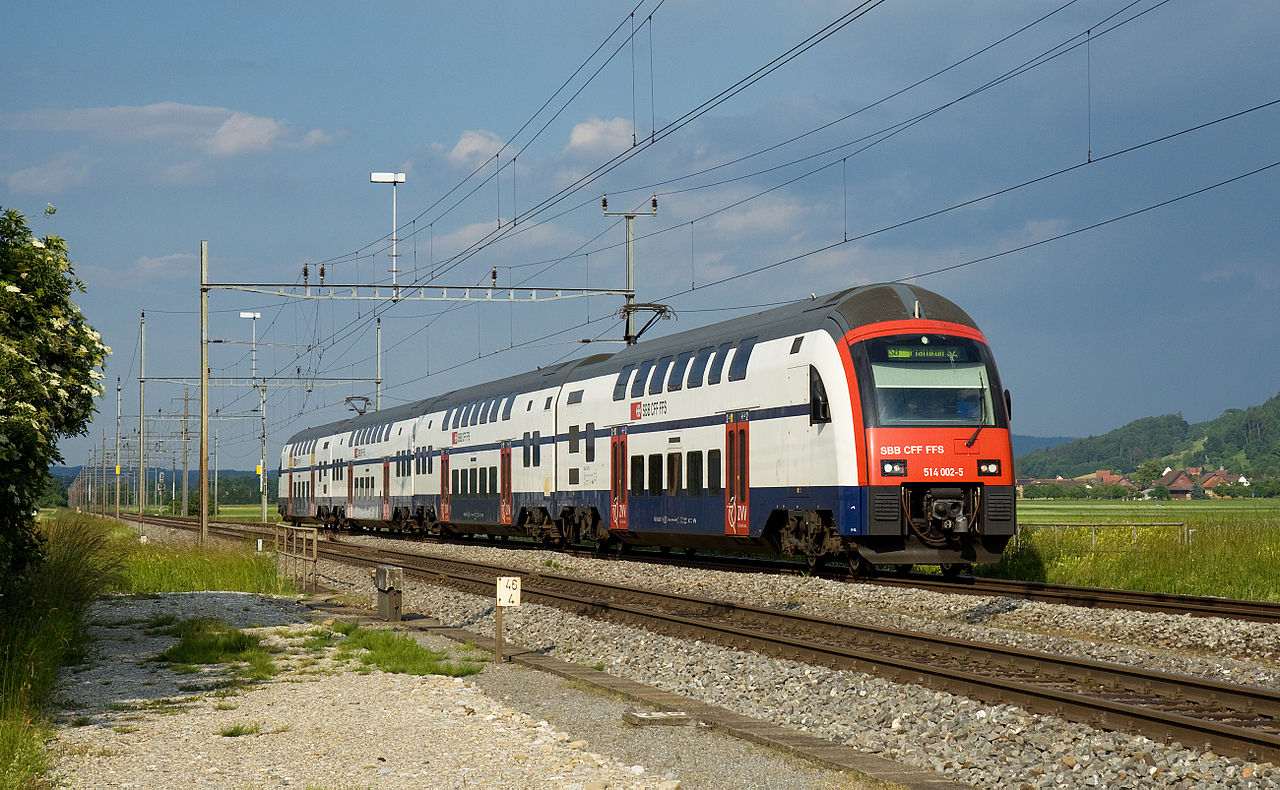


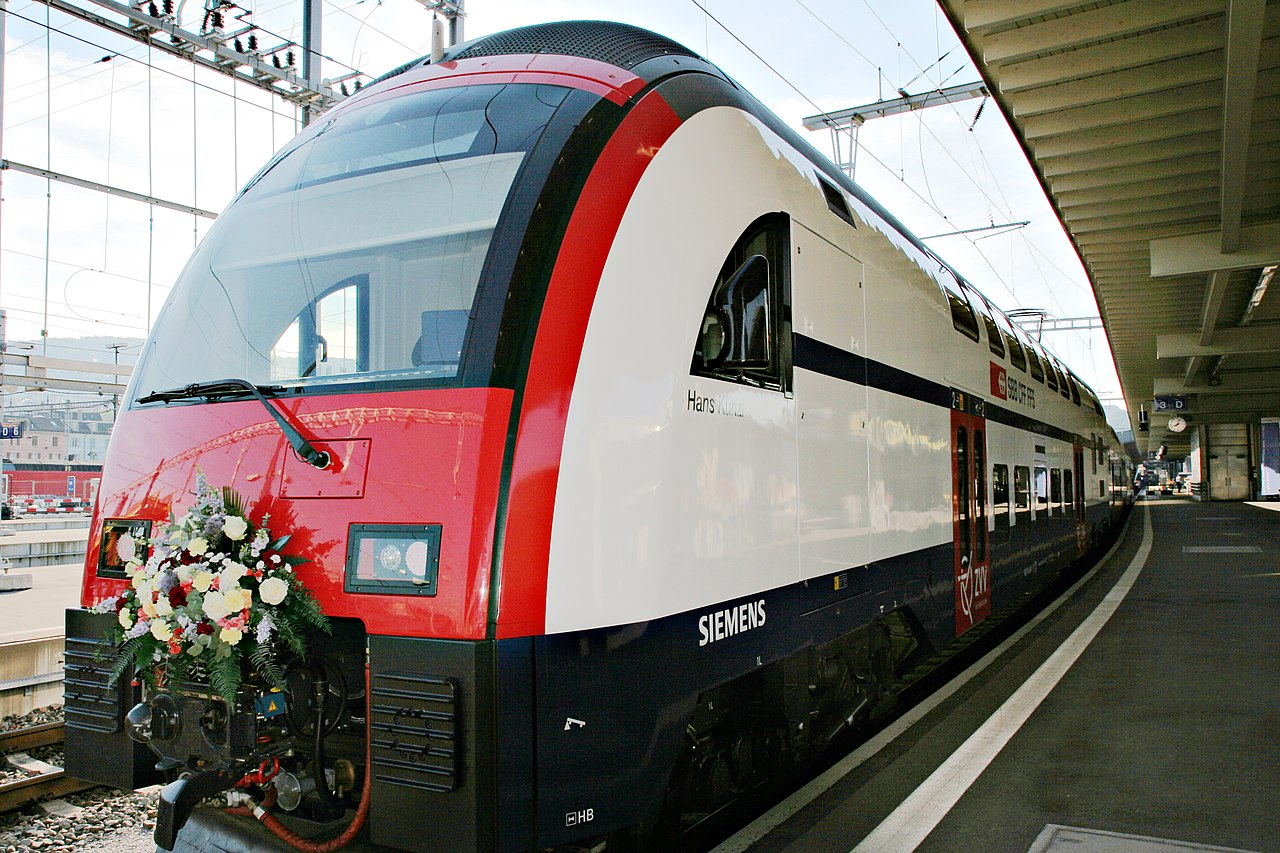
Network and operations
The system combines dedicated S‑Bahn services with regional and intercity lines to provide frequent, scheduled connections across the metropolitan area. By the mid‑2000s the network reached a substantial size: approximately 380 kilometres of track, some 171 stations and around 28 numbered S‑lines. Typical weekday operation provides most lines with two trains per hour, with denser frequencies on busy corridors during peak periods.
- Coverage: city centre, suburbs and nearby towns such as Winterthur and beyond.
- Stations: many are integrated with tram, bus and regional rail interchanges.
- Frequency: standard pattern is two trains/hour, with plans to increase many routes to four trains/hour.
- Operators: services are run mainly by the Swiss Federal Railways supported by regional partners and local operators.
History and development
Planning for an integrated suburban rail timetable began in the late 1980s and the S‑Bahn formally commenced service in 1990. The concept combined through‑running services, clockface timetables and coordinated transfers to improve commute times and reduce reliance on cars. Since its inception the network has been steadily expanded and upgraded: new services were added, stations were modernized and infrastructure projects have created more direct links through Zürich.
One major infrastructure improvement was the construction of a new tunnel under the city that allows through services between Zürich Hauptbahnhof and northern approaches including Oerlikon and the airport without reversing direction. This through‑route reduced platform conflicts at the main station and enabled smoother, more direct S‑Bahn journeys.
Services, ridership and special operations
The S‑Bahn carries tens of millions of passengers each year; annual ridership commonly lies in the high tens of millions, and weekday patronage in the 2000s reached several hundred thousand passengers per day. Surveys indicate a large share of metropolitan residents use the system as part of their daily travel, reflecting its role in commuting, education and leisure trips.
Since 2002 a set of night S‑bahn services has operated on weekend nights to provide late‑night regional connections. These night lines generally run hourly (some every two hours) on Friday–Saturday and Saturday–Sunday nights, and in many cases require an additional fare or special ticket supplement on top of the normal fare structure administered by the regional tariff network. Timetables, frequencies and fare rules are published seasonally; for maps and current service information consult the network map and official pages (network map, official site).
Importance, distinctions and future plans
The Zürich S‑Bahn is notable for being an early and successful example of an integrated suburban rail system in Switzerland. It improved regional connectivity, encouraged public transport use and supported compact urban development. Key distinctions include coordinated scheduling across many operators and the use of central through‑tunnels to reduce delays and transfers at the Hauptbahnhof.
Ongoing plans have focused on increasing frequencies on primary corridors (aiming for four trains per hour on many lines), extending direct connections between major centres such as Zürich and Winterthur throughout the day, and further integrating services with trams, buses and regional rail. For current operational details, fare information and maps see the regional transport pages (ZVV) and municipal resources (City of Zürich).
Questions and answers
Q: What is the Zürich S-Bahn?
A: The Zürich S-Bahn is a suburban rail system that links Zürich to its metropolitan area.
Q: When did the Zürich S-Bahn start operating?
A: The Zürich S-Bahn started operating in 1990, making it the first suburban rail system in Switzerland.
Q: How many kilometers of railway track are in the Zürich S-Bahn system?
A: As of mid-2008, there were 380 kilometers of railway track in the Zürich S-Bahn system.
Q: How many passengers use the Zürich S-Bahn system every day?
A: In 2007, about 355,653 passengers used the Zürich S-Bahn system every day.
Q: Are there any night lines in the Zürich S-Bahn system?
A: Yes, since 2002 there are 7 lines that run at night during weekends with usually one train per hour. Some lines only have one train every two hours.
Q: How many people use the Zürich S-Bahn system per year?
A: Between 75 and 80 million people use the Zürich S-Bahn system every year.
Q: What are the future plans for the Zürich S-Bahn system?
A: The future plans for the Zürich S-Bahn system include gradually introducing 4 trains per hour on most lines and extending to 4 trains per hour between Zürich and Winterthur during the whole day, not just during rush hour. A new tunnel was built in Zürich main station. This tunnel allows a direct connection from Zürich main station to Oerlikon and the airport, without a change of direction.
Related articles
Author
AlegsaOnline.com Zürich S‑Bahn: suburban rail network serving the Zürich metropolitan area Leandro Alegsa
URL: https://en.alegsaonline.com/art/110776
Sources
- zvv.ch : ZVV Geschäftsbericht 2007