
Advent calendar: origins, types, traditions, and modern uses
A calendar used to count or celebrate the days leading up to Christmas; includes historical origins, common formats, cultural uses, and variations from traditional windows to digital and DIY versions.
Overview
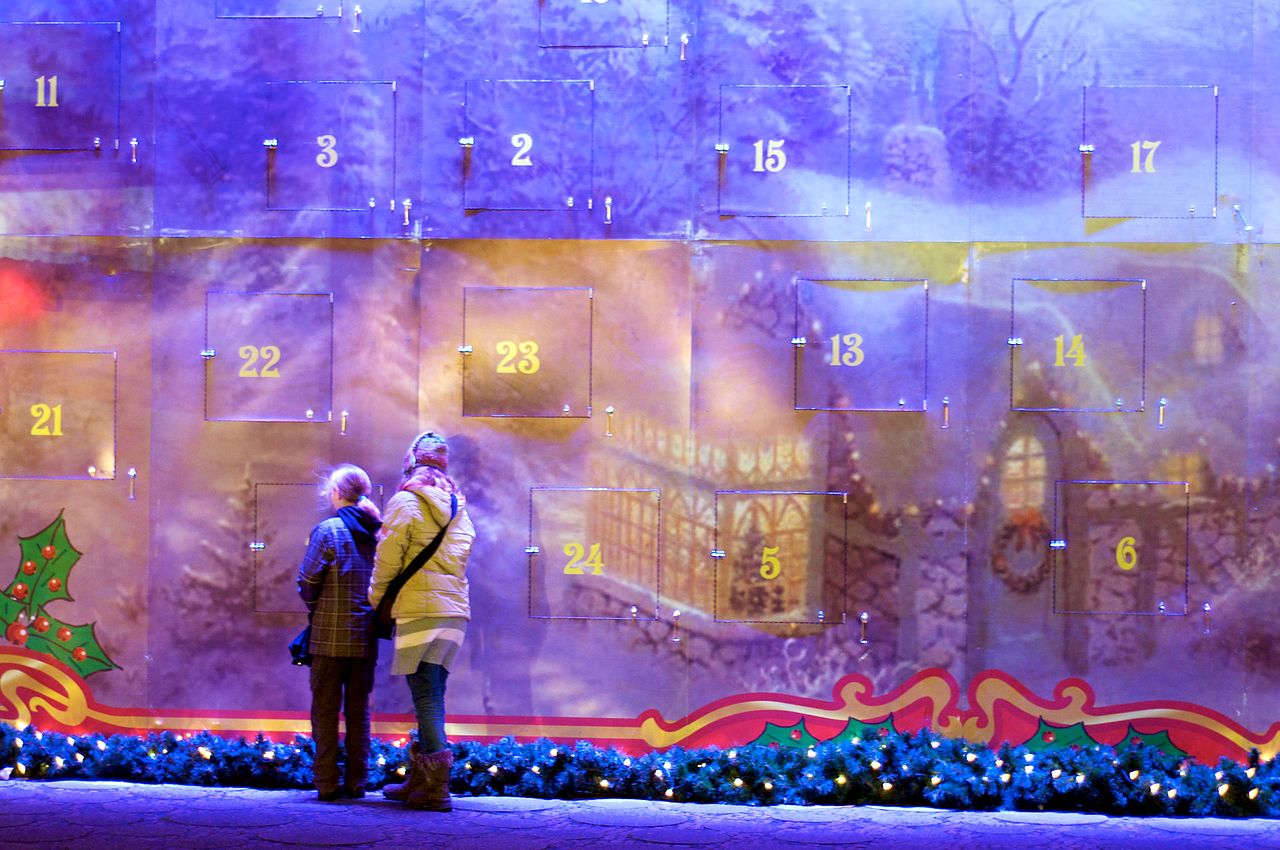
An Advent calendar is a calendar-style device used to mark the days of Advent in anticipation of Christmas. Traditionally covering the period from late November or 1 December through 24 December, these calendars provide a daily ritual that may include opening a window, removing a small object, or performing a short activity. They are associated with Christian observance but have become widely popular as seasonal cultural objects beyond strictly religious contexts. For a basic definition and background see definition and for seasonal timing see December calendars.
Image gallery
10 Images




History and development
Roots of Advent counting go back to German Protestant practices in the 19th century, where families marked the days until Christmas with simple marks or small devotional readings. Over time the practice evolved into printed and commercial forms. While early use is tied to Protestant communities in Germany, the idea spread across Europe and later to other parts of the world. For historical perspectives consult Germany and religious context resources like Christian sources.
Common forms and characteristics
Advent calendars appear in many formats. Typical features include numbered doors or windows, a daily compartment, and imagery tied to the nativity, winter scenes, or secular motifs. Popular types include:
- Paper or cardboard calendars with perforated windows that reveal an illustration or verse.
- Chocolate calendars where a small confection sits behind each door.
- Toy or collectible calendars containing small figures, especially for children and hobbyists.
- Reusable fabric or wooden calendars with pockets for ornaments or treats.
- Digital and app-based calendars that offer daily media, music, or interactive content.
Uses, traditions, and examples
Families use Advent calendars as a way to create routine and anticipation. Some calendars include scripture readings or acts of kindness; others focus on entertainment — for example, opening a window to reveal a small story segment or a piece of a larger picture. Retail versions often adapt themes ranging from classic religious art to licensed characters. See guides for making or choosing one at Advent resources and shops or collections at Christmas retail.
Craft and educational versions are common in classrooms and households. DIY calendars encourage creativity: parents assemble pockets with activities, charities produce calendars with fundraising themes, and hobby communities build elaborate collectible calendars for model kits or miniatures. Practical how-to and inspiration pages are available at craft guides and definition pages.
Notable distinctions and cultural impact
Although originating in a religious practice, modern Advent calendars bridge sacred and secular holiday culture. They function as devotional aids for some, gift containers for others, and simple countdown devices for many. The calendar’s adaptability — from mass-produced chocolate windows to bespoke handmade versions — explains its enduring popularity in multiple countries and communities. For comparative notes and deeper reading see seasonal calendars and global adaptations at religious context.
Questions and answers
Q: What is an Advent calendar?
A: An Advent calendar is a special calendar used to count the days to Christmas through the month of December.
Q: When do most Advent calendars start?
A: Most Advent calendars start on the first day of December.
Q: Why do some Advent calendars include the last few days of November?
A: Some Advent calendars include the last few days of November because of the Christian advent.
Q: Who first used Advent calendars?
A: Advent calendars were first used by German Lutherans from 1800 to 1900.
Q: Do only Christians use Advent calendars now?
A: No, many Christians and people of other religions use Advent calendars now.
Q: What is the significance of advent?
A: Advent is a season of preparation and waiting for the birth of Jesus Christ.
Q: What is the purpose of an Advent calendar?
A: The purpose of an Advent calendar is to help people count the days to Christmas and prepare for the holiday season.
Tags
Related articles
Author
AlegsaOnline.com Advent calendar: origins, types, traditions, and modern uses Leandro Alegsa
URL: https://en.alegsaonline.com/art/1106
Sources
- anglicannews.org : "Online Advent calendar created by the world"
- catholicireland.net : "Primate launches online calendar for Advent"