
Zakir Husain (1897–1969): Indian educator and third President of India
Zakir Husain was an Indian educationist and statesman who co-founded Jamia Millia Islamia, served as Governor of Bihar, Vice‑President, and became the third President of India, dying in office in 1969.
Overview
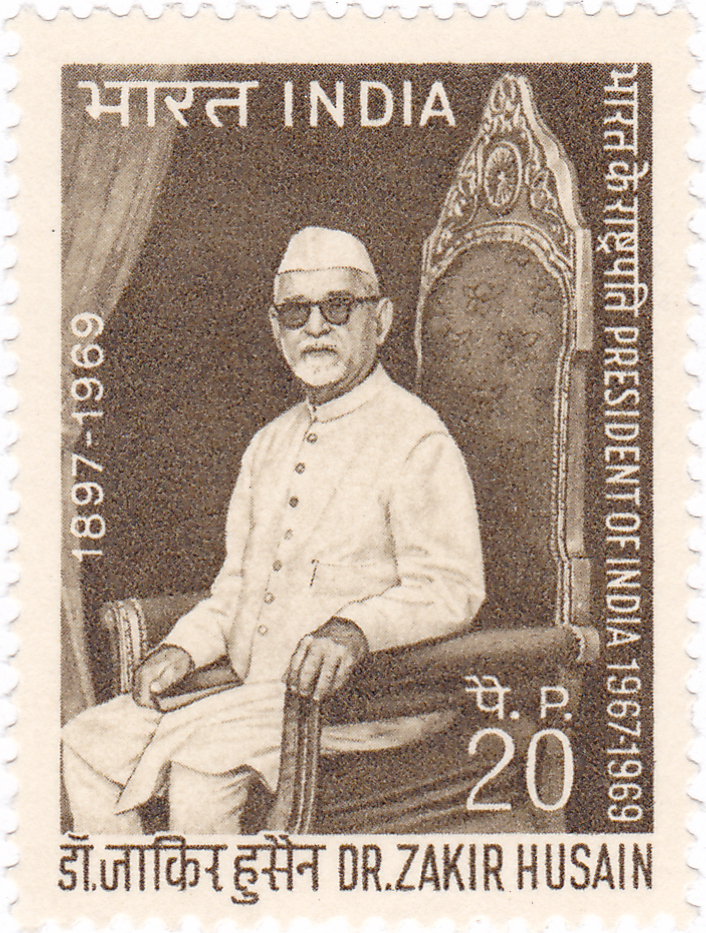
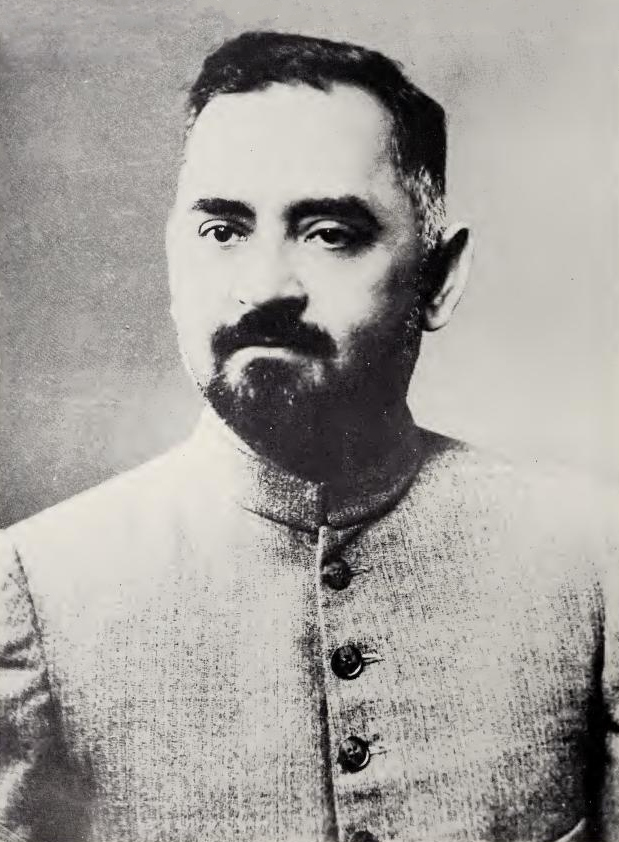
Zakir Husain (8 February 1897 – 3 May 1969) was a prominent Indian educator and statesman. Best known for his long association with the national university Jamia Millia Islamia and for serving as the third President of India, Husain combined academic leadership with public service. He was the first Muslim to hold the Indian presidency and the first head of state of independent India to die while in office. His career bridged the worlds of education, the freedom movement, and constitutional office.
Image gallery
9 Images



Early life and educational work
Born in 1897, Husain trained as a teacher and became deeply involved in efforts to reform and expand modern education in India. He was a co‑founder of Jamia Millia Islamia, an institution established by educators and activists who wanted a nationally oriented university sympathetic to the independence movement. Over decades Husain played a central role in shaping the university's curriculum and administration and served as its vice‑chancellor, helping Jamia grow from a small, nationalist initiative into a well‑known centre for higher learning.
Public service and political career
Husain moved from educational leadership into formal public office in the post‑Independence era. He served as Governor of Bihar and later was elected as India's second Vice‑President. In 1967 he was elected President and held that office until his death in 1969. His tenure in high constitutional posts reflected a reputation for integrity, statesmanship, and a commitment to secular, democratic values.
Major roles and contributions
- Co‑founder and vice‑chancellor — Instrumental in developing Jamia Millia Islamia as an institution aligned with national educational goals; the university became a hub for students and activists.
- Governor and Vice‑President — Held important gubernatorial and viceregal responsibilities that prepared him for the presidency.
- President of India — Served as the nation's head of state from 1967 until his passing in 1969, a period when he emphasized education, unity, and constitutional propriety. See official record: Presidential profile.
Legacy and notable facts
Zakir Husain is remembered primarily for linking education with civic life. Jamia Millia Islamia continues to cite his leadership as formative; more about the university and its history can be found here: Jamia Millia Islamia overview. Husain's selection as President marked an important symbolic recognition of India's religious diversity, and his career is often invoked in discussions about the role of educators in public life.
Beyond institutional memory, Husain's life illustrates broader mid‑20th century themes in India: the centrality of education to nation‑building, the transition of freedom‑era leaders into constitutional roles, and the attempt to maintain secular democratic norms in a plural society. His death while serving as President brought a sudden end to a career that had combined scholarship and statesmanship.
Questions and answers
Q: Who was Zakir Husain?
A: Zakir Husain was the 3rd President of India and the first Muslim president of the country.
Q: When was Zakir Husain born and when did he pass away?
A: Zakir Husain was born on 8 February 1897, and he passed away on 3 May 1969.
Q: What was Zakir Husain's political career before becoming the President of India?
A: Before becoming the President of India, Zakir Husain served as the second Vice-President of India and Governor of Bihar.
Q: What did Zakir Husain do for the Jamia Milia Islamia?
A: Zakir Husain was a co-founder of Jamia Milia Islamia and served as its Vice-Chancellor. Under his leadership, Jamia became closely associated with the Indian freedom movement.
Q: What was Zakir Husain's significance in Indian history?
A: Zakir Husain was significant in Indian history as the first Muslim president of the country and a prominent figure in the Indian freedom movement.
Q: When did Zakir Husain die, and what is unique about his death?
A: Zakir Husain passed away on 3 May 1969, and he was the first Indian president to die in office.
Q: How long did Zakir Husain serve as the President of India?
A: Zakir Husain was the shortest serving president of India. It is said that he served as the President of India for only a little over six months before his death in office.
Related articles
Author
AlegsaOnline.com Zakir Husain (1897–1969): Indian educator and third President of India Leandro Alegsa
URL: https://en.alegsaonline.com/art/110353
Sources
- books.google.com : Age of Entanglement