
Xbox One X (Project Scorpio): Technical Overview and History
Microsoft's mid-generation 2017 console focused on 4K gaming and performance. The Xbox One X offered higher GPU power, faster memory, and broad compatibility with Xbox One titles and accessories.
Overview: The Xbox One X, developed under the codename "Project Scorpio," is a mid-generation upgrade in Microsoft's Xbox One family. Announced at E3 in June 2017 and released in November of the same year, it was marketed as the most powerful console available at launch, emphasizing native 4K rendering, high-dynamic-range (HDR) support, and improved frame-rate stability. It retained compatibility with the Xbox One game library and most accessories while introducing hardware aimed at higher-fidelity visuals.
Image gallery
10 Images


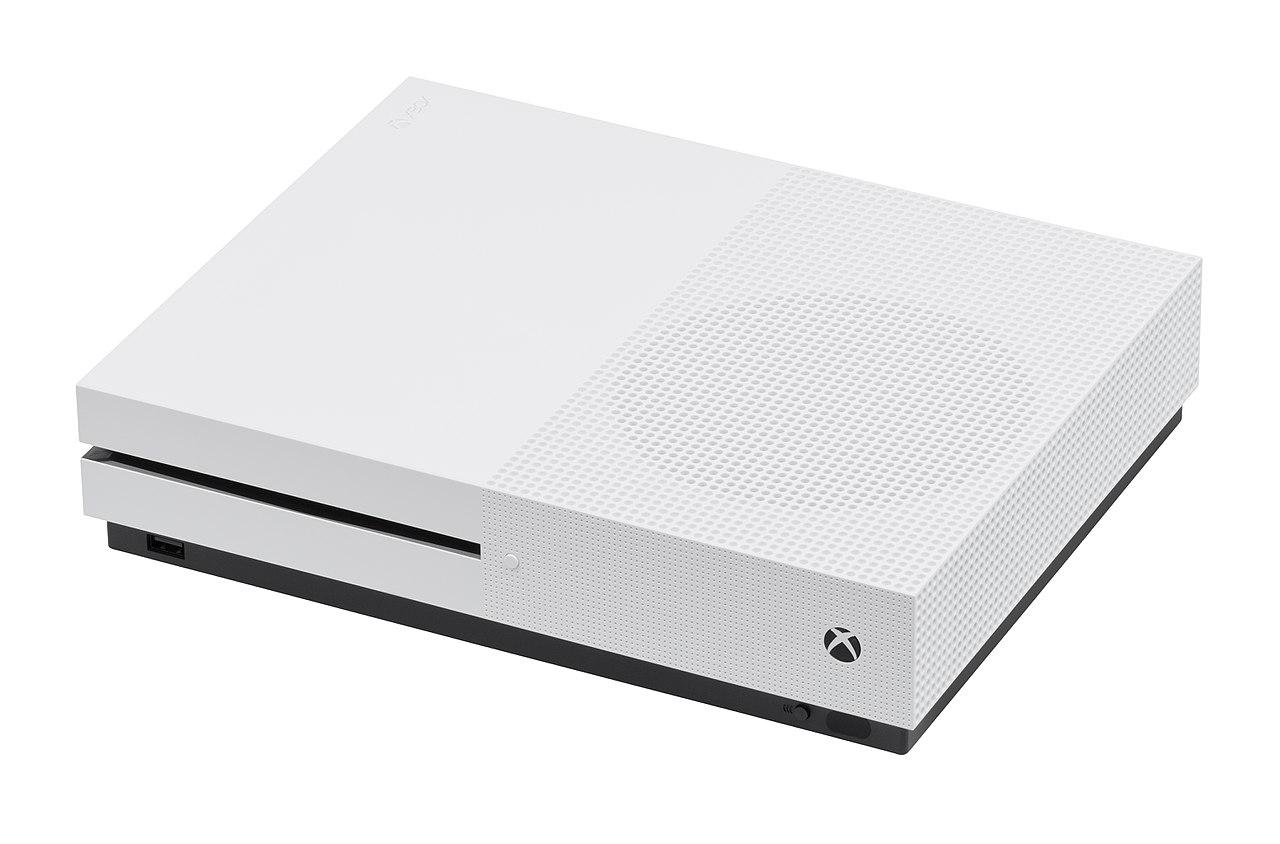


Hardware and technical characteristics
The system centers on a custom AMD processor and a GPU capable of approximately 6 teraflops of compute performance. It includes 12 GB of GDDR5 system memory, with a split that reserves roughly 9 GB for games and 3 GB for the operating system and background tasks; memory bandwidth reaches into the hundreds of gigabytes per second. These components were chosen to push higher-resolution textures, faster asset streaming, and more consistent performance in demanding titles. The console also supports HDR output and includes a 4K Ultra HD Blu-ray player for media playback.
- GPU: ~6 teraflops of performance
- Memory: 12 GB GDDR5 (9 GB for games, 3 GB for system)
- Bandwidth: Very high GDDR5 throughput (commonly cited around 326 GB/s)
- Compatibility: Works with Xbox One games and accessories
Software compatibility and enhancements
One of the Xbox One X's selling points was its seamless integration with the existing Xbox One ecosystem. All Xbox One games run on the console; many titles received "enhanced" patches from developers to enable higher resolutions, improved texture detail, more stable frame rates, or other visual upgrades on the more powerful hardware. The console also supported system-level features such as HDR and 4K media playback, and it maintained the same accessory connections as previous models so players could use controllers, headsets, and other peripherals without modification.
Microsoft described the platform as delivering either native 4K rendering or sophisticated upscaling for games that could not render every frame at native 4K. These approaches let developers balance graphical fidelity and performance according to each game's design goals. For more background on the announcement and launch, see coverage of the Project Scorpio reveal and the E3 presentation via official event pages or press archives like the E3 announcement.
Development, release, and reception
The Xbox One X emerged from a mid-generation strategy: instead of waiting for a full-generation replacement, Microsoft chose to ship a high-end revision within the existing console generation. The machine's November 2017 debut was broadly praised for its engineering and raw performance, while some critics noted the higher price point and potential fragmentation of the Xbox One line (original Xbox One, Xbox One S, and Xbox One X). The device illustrated a consumer electronics trend toward offering stepped upgrades during a product generation.
Legacy and notable facts: The Xbox One X is commonly remembered for bringing true 4K-capable hardware into the mainstream console market and for its compatibility-first approach. It served as the most powerful member of the Xbox One family and influenced expectations for how console manufacturers might offer incremental hardware improvements. For additional technical summaries and developer guidance on enhancements, consult manufacturer references or developer documentation such as the official product pages and technical briefs (hardware overview, developer resources).
The console remains an example of a mid-cycle, performance-focused refresh: useful for players who prioritized higher-resolution visuals and smoother frame rates while continuing to play the broad catalog of Xbox One titles. Its combination of backward compatibility, media features, and increased hardware capability made it a distinctive entry in Microsoft's console lineup.
Questions and answers
Q: What is the Xbox One X?
A: The Xbox One X is the fifth video game console made by Microsoft, succeeding both the Xbox One and Xbox One S.
Q: When was the Xbox One X announced?
A: The Xbox One X was announced at E3 on June 11th, 2017.
Q: When was the Xbox One X released?
A: The Xbox One X was released on November 7th, 2017.
Q: What makes the Xbox One X different from previous Xbox consoles?
A: The Xbox One X was made with better hardware for 4k resolution screens and has 6 Teraflops of graphical processing power, making it the most powerful console to date.
Q: How much RAM does the Xbox One X have?
A: The Xbox One X has 12 gigabytes of GDDR5 RAM, with 9 being available to games and the other 3 for multitasking.
Q: What is the data transfer speed of the Xbox One X?
A: The new upgrade in RAM allows for data transfer speeds of up to 326GB/second.
Q: Does the Xbox One X work with all Xbox One software and accessories?
A: Yes, the Xbox One X works with all Xbox One software and accessories and has the same 2 USB 3.0 ports on the back and 1 USB 3.0 port on the front, now moved to the right side.
Related articles
Author
AlegsaOnline.com Xbox One X (Project Scorpio): Technical Overview and History Leandro Alegsa
URL: https://en.alegsaonline.com/art/109438
Sources
- news.xbox.com : "The Xbox E3 2017 Briefing: Everything You Need to Know"