
Berwick-upon-Tweed: England’s Border Town at the Mouth of the River Tweed
Berwick-upon-Tweed is the northernmost town in England, a historic market port on the River Tweed near the Scottish border with distinctive ramparts, a mixed Anglo-Scottish heritage, and a population around 15,000.
Overview
Berwick-upon-Tweed is a historic town in Northumberland, in the United Kingdom. It stands on the north-east coast at the mouth of the River Tweed and is commonly described as the most northerly town in England (northernmost town). The town lies close to the border with Scotland and has long served as a local hub for trade and travel. Its resident population is commonly reported at around 15,000 people, and it continues to function as a market town serving nearby rural communities (market town).
Image gallery
10 Images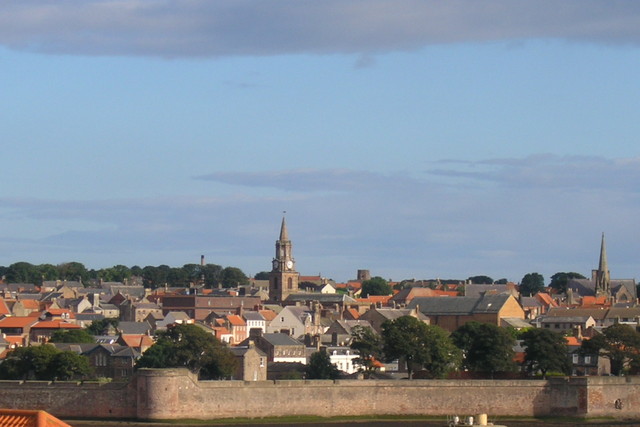


Historic development
Berwick's history is shaped by its border location. In medieval and early modern periods it was an important sea port and military stronghold. Control of the town changed hands repeatedly between England and Scotland—reports note more than a dozen such transfers—until it was taken by England in 1482 and remained in English hands thereafter. Its past as an important port influenced local architecture, fortifications and commercial life, and the town retains many visible reminders of those eras.
Layout, landmarks and architecture
The compact centre is characterised by Elizabethan town walls and bastions, the broad stone bridge across the Tweed, and a grid of streets that grew around markets and quays. Notable features include:
- Historic ramparts and bastions opened for public walks.
- Berwick Bridge and riverfront, reflecting its maritime past.
- Georgian and Victorian civic buildings, former warehouses and market halls.
These elements illustrate how defensive needs, trade and transport shaped the town’s plan and appearance.
Economy, culture and modern role
Although its commercial harbour role has diminished, Berwick remains a regional centre for retail, tourism and local services. Seasonal visitors come to see the walls, coastal scenery and the town’s museums; markets and festivals draw people from both sides of the border. The town’s mixed Anglo–Scottish character is reflected in family ties, commuting patterns and cultural life; many Scottish residents and visitors continue to have close connections with Berwick.
Names, administration and distinctions
The historic influence of the town extends into Scotland: the county of Berwickshire takes its name from Berwick (Berwickshire). Local discussions sometimes note the town’s unusual status as an English borough with strong cross-border links and a layered history of governance and ownership (ownership).
Berwick-upon-Tweed remains an instructive example of a border town whose geography has produced distinctive social, economic and architectural features.
Economy
Berwick is a market town and, counting Tweedmouth on the south bank of the Tweed, a seaport (albeit a very modest one). 59.5% of the population is in employment, the unemployment rate is 3.6% and 19% are pensioners. Just over 60% of the workforce is employed in the service sector (commerce, hotels and restaurants, banking, public administration and health), about 13% work in manufacturing, 10% in agriculture and 8% in construction. The main industries include salmon fishing, shipbuilding, engineering, sawmills, fertiliser production and the manufacture of tweed and tricot.
Sports
Berwick is the only English town whose football team, Berwick Rangers, and rugby team play in their respective Scottish leagues. The Berwick Bandits speedway team competes in the British Premier League (2nd division).
Related articles
Author
AlegsaOnline.com Berwick-upon-Tweed: England’s Border Town at the Mouth of the River Tweed Leandro Alegsa
URL: https://en.alegsaonline.com/art/10938