
Writing tools: instruments, media, and their development
Survey of physical and digital writing tools, their parts, historical development, common examples, uses, preservation concerns, and trends in ergonomics and software-enhanced writing.
Overview
Writing tools comprise the instruments, supports and systems people use to record language and ideas. They range from simple hand implements that make marks (pens, brushes, styluses) to the surfaces that receive marks (clay, papyrus, paper, screens) and to the inks, pigments or digital encodings that carry information. The term also covers mechanical and electronic devices, plus the software environments and conventions that shape modern composition and storage.
Image gallery
8 Images





Parts and characteristics
Most tools can be described by functional parts: the tip or contact surface (which affects line quality), the tracer medium (ink, graphite, pixel), the support surface and the ergonomic design. Key characteristics include permanence versus erasability, portability, durability, speed, legibility and ease of correction. For many tasks—drafting, calligraphy, note-taking or formal record-keeping—users choose a tool whose properties match the purpose.
Common types
- Historic manual tools: styluses for clay, reed pens, quills and brushes used with ink or pigment.
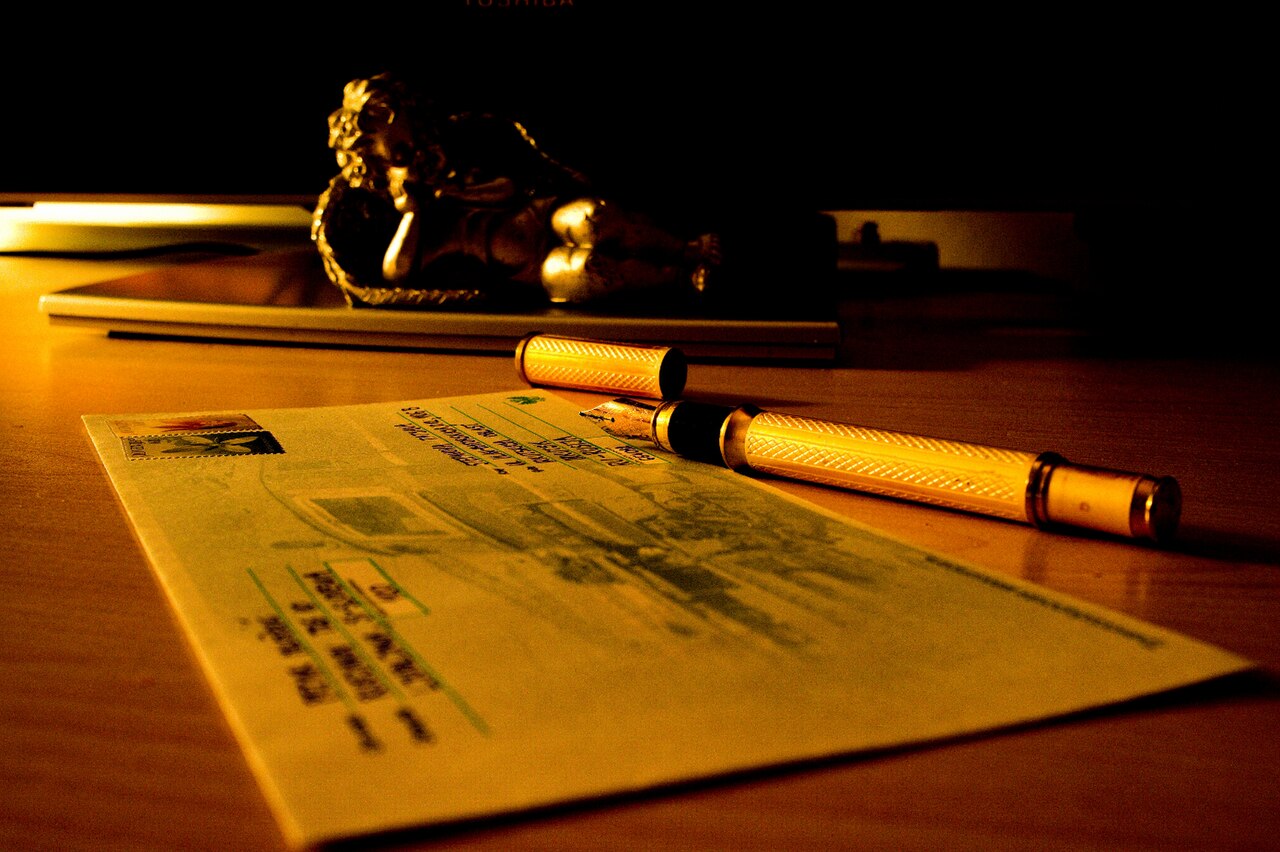
- Paper-era implements: pencils, fountain pens, ballpoint pens and mechanical pencils; also typewriters for mechanical text entry.
- Digital and hybrid devices: keyboards, touchscreens, digital pens and tablets, smartpens that record audio and handwriting, and handwriting-recognition systems.
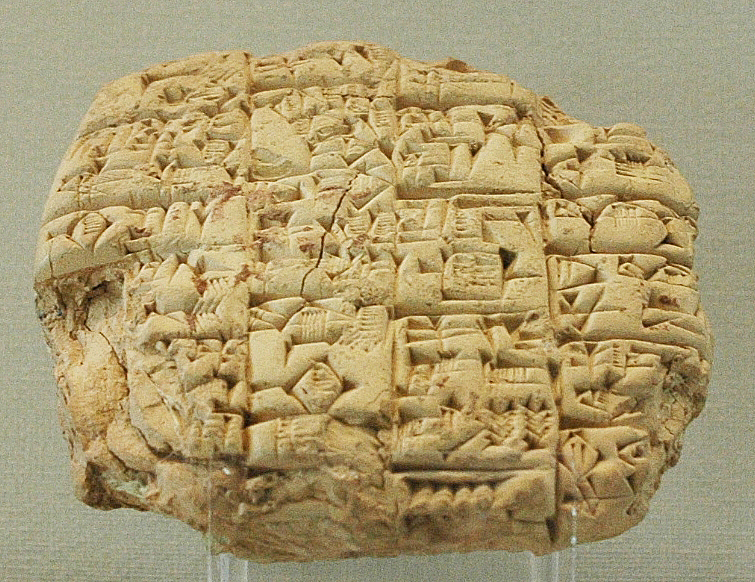
- Supports and media: clay tablets, papyrus, parchment, paper (including archival papers), and modern displays and file formats that store encoded text.
History and development
People have used visible marks to communicate for several thousand years; around five thousand years ago many societies began recording information in durable forms. Early choices depended on nearby raw materials: clay and reeds in some regions, plant-based papers and brushes in others. Over centuries instruments and media evolved for improved speed, portability, legibility and mass production. The industrial era brought inexpensive pens and typewriters; the late 20th century introduced electronic word processing, screen-based composition and networked sharing.
Uses, selection and preservation
Choice of tool depends on use. Drafting and iterative work often favour erasable media or digital environments that support revision and search. Archival records typically require stable inks, durable supports and controlled storage conditions. Conservators recommend acid-free paper and climate control for long-term preservation, while digitization is widely used to create accessible copies and to mitigate loss of fragile originals.
Ergonomics, accessibility and software trends
Ergonomic considerations include grip shape, nib or tip design and the weight and balance of an instrument; these factors influence comfort and legibility. Digital writing has changed workflows: searchable text, rapid revision, real-time collaboration and cloud syncing are common. Assistive technologies—speech-to-text, predictive typing, screen readers and handwriting-recognition—expand access for people with disabilities and alter how writing is produced and consumed.
Distinctions and further reading
It is useful to distinguish the instrument (what makes the mark) from the medium (what receives it) and the system (software, file formats and social conventions). For introductions to specific tools and historical surveys see further reading, for hardware and device comparisons consult device guides, and for software and workflow resources consult software resources.
Questions and answers
Q: What are writing tools?
A: Writing tools are things people use to write with.
Q: Which writing tools are used these days?
A: Most writing today is done with a computer system, usually with word processing software.
Q: How long ago were simpler writing tools used?
A: About 5,000 years ago, much simpler writing tools were used.
Q: Where were the raw materials for writing tools sourced from?
A: The raw materials for writing tools had to be near where people lived.
Q: Were the writing tools used the same in all parts of the world 5,000 years ago?
A: No, the writing tools were different in different parts of the world.
Q: What is the most common way of writing these days?
A: Writing with a computer system, usually with word processing software, is the most common way of writing these days.
Q: Has the use of writing tools advanced over the years?
A: Yes, the use of writing tools has advanced over the years from simple tools to complex computer systems.
Related articles
Author
AlegsaOnline.com Writing tools: instruments, media, and their development Leandro Alegsa
URL: https://en.alegsaonline.com/art/109240