
WrestleMania XXIV (2008)
WrestleMania XXIV was WWE's 2008 flagship event on March 30 at Orlando's Citrus Bowl. The show featured high-profile title matches, celebrity involvement, large attendance, and storyline-defining moments.
Overview
WrestleMania XXIV was the twenty-fourth edition of WWE’s annual flagship spectacle and a major example of professional wrestling’s blend of sport, theater and entertainment. Promoted as a large-scale WrestleMania pay-per-view, it took place on March 30, 2008, at the Citrus Bowl in Orlando, Florida (Citrus Bowl, Florida). The event used the tagline "The Biggest WrestleMania Under the Sun" and was notable for being only the second WrestleMania staged entirely outdoors since WrestleMania IX. The official musical themes included Rev Theory's "Light It Up" and the Red Hot Chili Peppers' "Snow ((Hey Oh))" (theme songs).
Image gallery
10 Images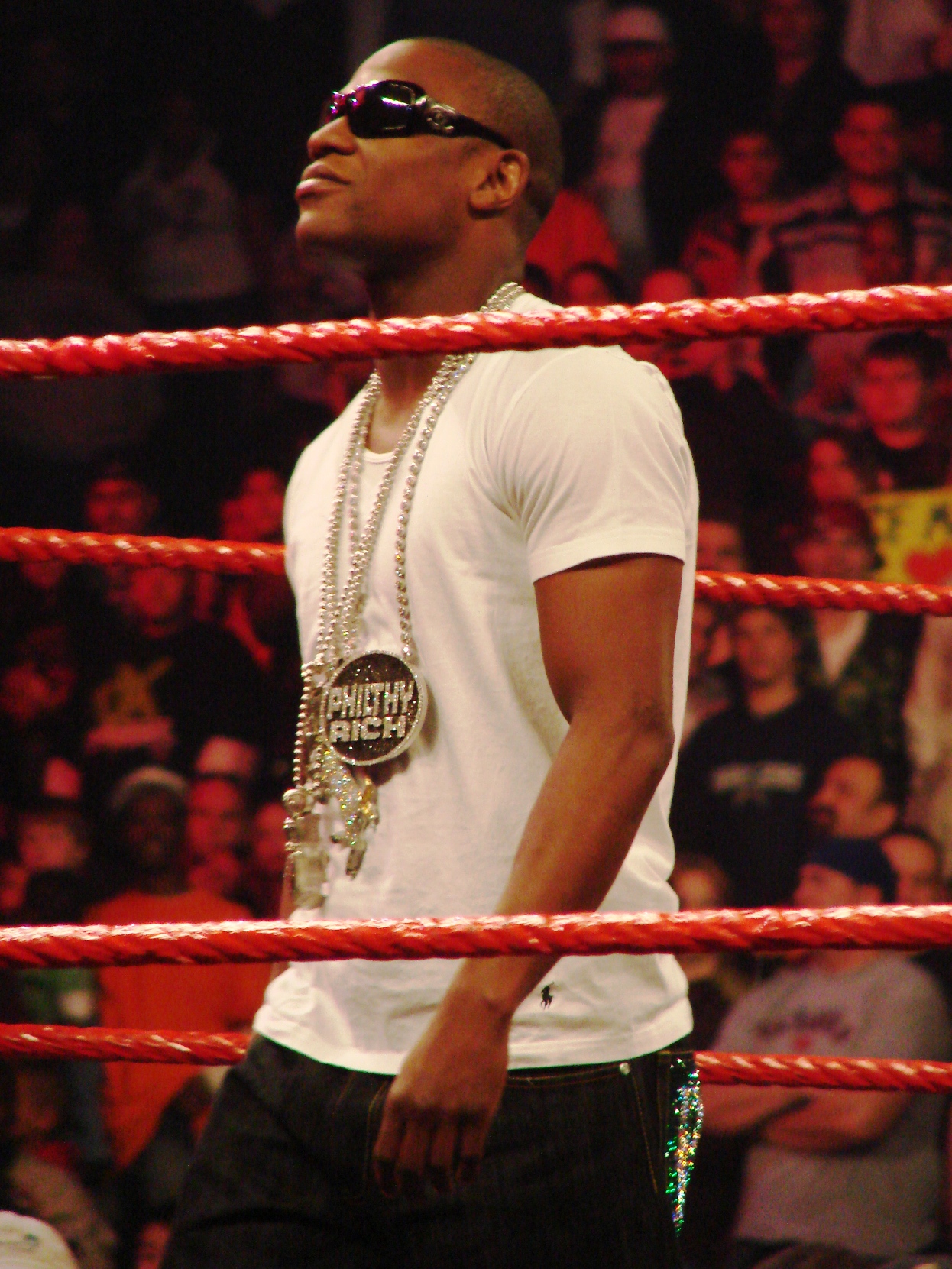




Card and key matches
The card brought together talent from WWE’s multiple brands and included championship matches, celebrity involvement, and high-stakes grudge bouts. The show was presented as a joint-promotion event with performers drawn from the company roster across the Raw (Raw), SmackDown, and ECW brands. The main pay-per-view attractions combined legacy performers and rising stars and were intended to deliver memorable moments to a large stadium crowd.
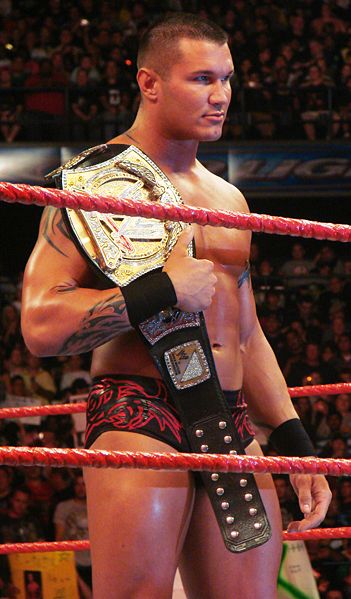
- WWE Championship (Triple Threat): A three-way encounter for the WWE Championship featured Randy Orton (Orton), Triple H (Triple H) and John Cena (Cena). The match played out as a centerpiece for the Raw brand and ended with Orton retaining the title by pinning Cena.
- World Heavyweight Championship: SmackDown’s headline match saw Edge (Edge) defend against The Undertaker (Undertaker). In a bout that emphasized Undertaker’s long-running WrestleMania legacy, the challenger forced Edge to submit with a gogoplata-style hold, winning the World Heavyweight Championship.
- ECW Championship: The ECW brand’s marquee bout paired Chavo Guerrero against Kane, with Kane regaining the ECW title after a chokeslam finishing sequence.
- Celebrity attraction: Boxing champion Floyd Mayweather Jr. took part in a high-profile No Disqualification match against The Big Show (Big Show), an example of WrestleMania’s frequent use of cross-over stars to generate mainstream interest.
- Money in the Bank ladder match: An interpromotional ladder match (Money in the Bank) was staged on the undercard; such matches offer both spectacle and a storyline device that grants the winner a future championship opportunity.
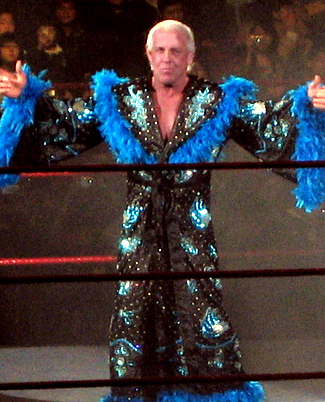
- Career storyline: A deeply emotional and widely publicized match on the show paired Ric Flair (Flair) against Shawn Michaels (Michaels) in a bout framed around Flair’s in-ring legacy and the possibility of retirement.
Production, attendance, and economic impact
Tickets for the event went on sale months in advance, and WrestleMania XXIV set venue and company records for attendance and ticket revenue at the time. The Citrus Bowl crowd was reported in the tens of thousands, with fans traveling from many countries and U.S. states to attend. WWE and the host city coordinated multi-day festivities that included fan conventions, media events and local promotions; such a build-up is typical for WrestleMania and is intended to maximize visitor spending, local exposure and television coverage. Organizers attributed significant economic benefit to the Orlando region during the event weekend, noting increased hotel occupancy, dining and tourism activity.
Reception and legacy
WrestleMania XXIV received a mixed-to-positive reception: many observers praised the spectacle, high-profile matches and Undertaker’s continued success at WrestleMania, while some critics focused on match length, booking choices, or the presence of non-wrestling celebrities. The show advanced several ongoing storylines, created new rivalries, and produced moments that WWE has continued to reference in later storytelling. Ric Flair’s match in particular was presented as a career milestone in long-term storyline terms and remains one of the most talked-about personal moments from the card.
Notable aspects and distinctions
- It was the first WrestleMania held in the state of Florida and only the second fully outdoor WrestleMania since WrestleMania IX.
- The event continued WWE’s tradition of mixing established main-event stars like Triple H and The Undertaker with celebrity appearances and high-concept matches.
- Theme music and promotion drew on mainstream acts—Rev Theory and the Red Hot Chili Peppers (theme songs)—to broaden the show’s cultural footprint.
- WrestleMania’s multi-brand presentation included matches tied to the WWE Championship, the World Heavyweight Championship, and the ECW title, reflecting the company’s brand-split era (company structure).
For more detailed breakdowns of individual matches, participant histories, and the event’s place in WWE chronology, consult contemporary reports and archival summaries at official and independent outlets (WrestleMania reference pages, promotional materials, and retrospective coverage).
Questions and answers
Q: What was the name of the event?
A: The event was called WrestleMania XXIV.
Q: Where did WrestleMania XXIV take place?
A: WrestleMania XXIV took place at the Citrus Bowl in Orlando, Florida.
Q: When did tickets go on sale for WrestleMania XXIV?
A: Tickets went on sale to the public on November 3, 2007.
Q: How much money did WrestleMania XXIV gross in ticket sales?
A: WrestleMania XXIV grossed $5.85 million in ticket sales.
Q: What were the official theme songs for WrestleMania XXIV?
A: The official theme songs for WrestleMania XXIV were "Light It Up" by Rev Theory and "Snow ((Hey Oh))" by the Red Hot Chili Peppers.
Q: How many people attended WrestleMania XXIV from different countries and states? A: There were 74,635 people attending from twenty-one countries, all fifty states, and five Canadian provinces.
Related articles
Author
AlegsaOnline.com WrestleMania XXIV (2008) Leandro Alegsa
URL: https://en.alegsaonline.com/art/109206
Sources
- slam.canoe.ca : "Mayweather, Orton survive Mania; Edge, Flair don't"
- wwe.com : "What you need to know about WrestleMania XXIV"
- wwe.com : "WrestleMania XXIV website"
- wwe.com : "WrestleMania 24 Tagline"
- corporate.wwe.com : "WrestleMania® XXIV Crushes Records, Careers"
- cityoforlando.net : "Orlando To Host WrestleMania 24 At Citrus Bowl In 2008"
- cfnews13.com : "WrestleMania 24 Coming To Orlando"
- corporate.wwe.com : "Mayweather vs. Big Show – "There Is Going To Be A Winner""
- wwe.com : "Robbery on the Strip: 'Mania Gamble Goes Bust"
- wwe.com : "The Game gets his title match at WrestleMania"
- wwe.com : "Triple the Threat, Double the Gauntlet"
- wwe.com : "Chamber mates"
- wwe.com : "The Deadman doubles down"