
Wrangel Island — remote Arctic island and protected wildlife refuge
Remote Russian Arctic island in the Chukchi Sea, notable for polar bears, possible last woolly mammoths, nature reserve and UNESCO status; lies near the 180° meridian with the International Date Line displaced.
Overview
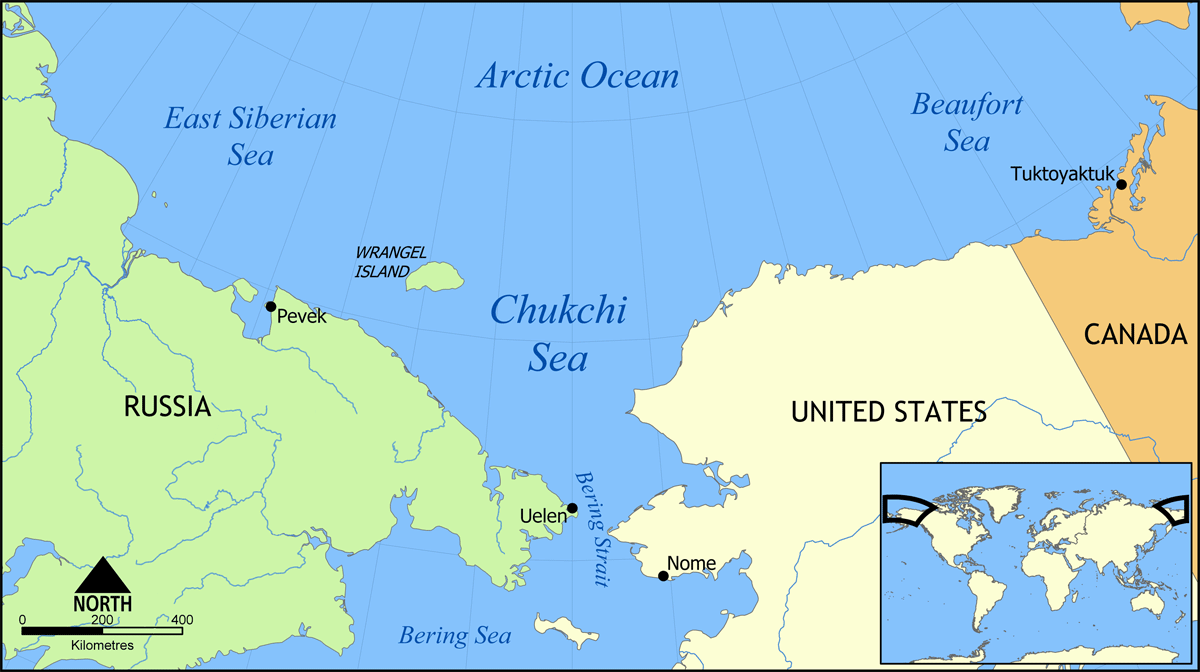
Wrangel Island is a remote Arctic island administration of Russia. Known in Russian as остров Врангеля, the island sits in the Arctic Ocean between the Chukchi Sea and the East Siberian Sea. It is a small island by global standards but large enough to support a variety of tundra habitats. Wrangel lies close to the 180° meridian, and the International Date Line is intentionally shifted in this area — it is displaced eastwards to keep the island on the same date as the Russian mainland across the 180° meridian.
Image gallery
10 Images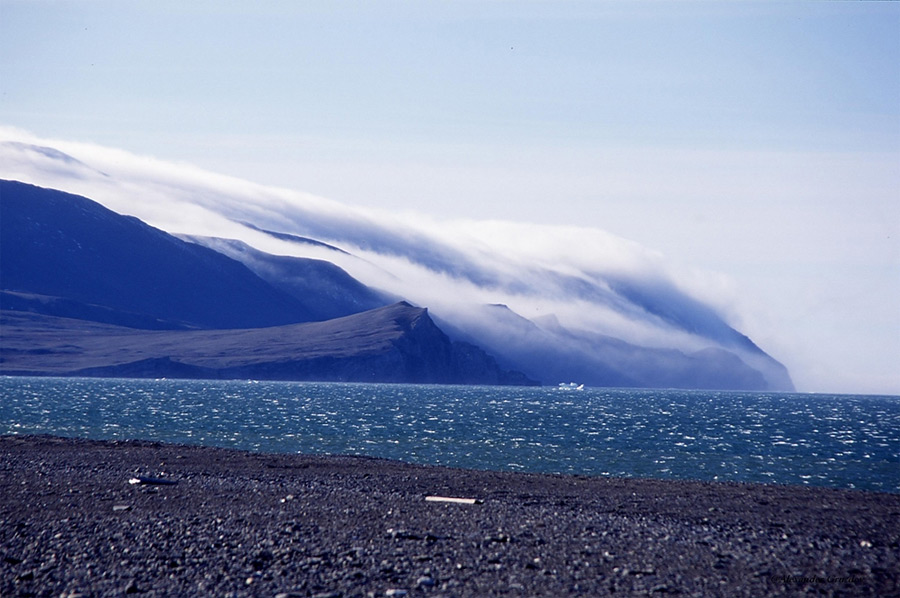


Geography and climate
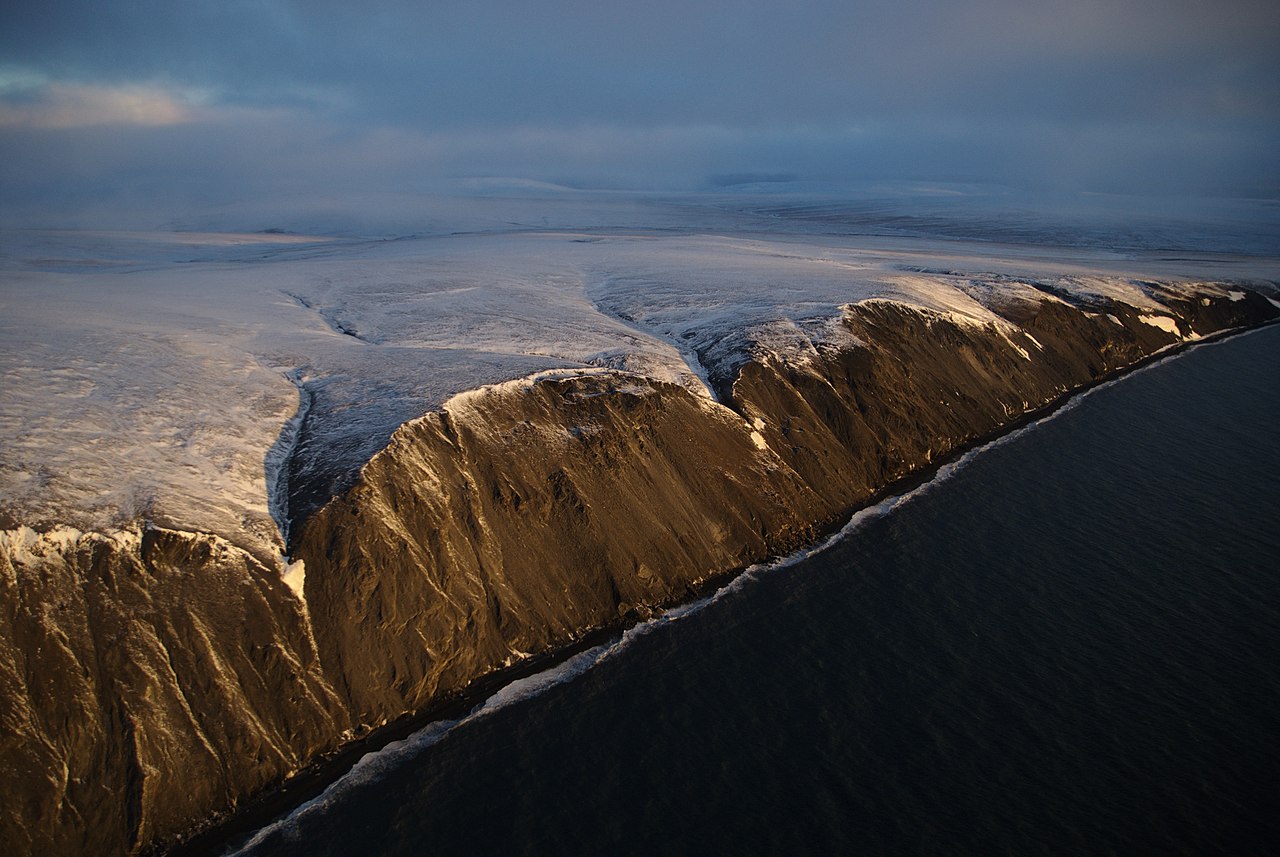
The island covers roughly 7,500 square kilometres, a size often compared with the US state of Delaware. Its nearest neighbor is Herald Island, about 60 km to the east, and the closest point on the Siberian mainland lies roughly 140 km away. The landscape is tundra with permafrost, patterned by rivers, lakes and low ridges, and it experiences a severe polar climate with long, cold winters and short, cool summers.
Natural history and wildlife
Wrangel Island supports richly productive coastal and inland habitats for Arctic fauna. It is especially important for arctic species: large breeding colonies of migratory birds, walruses and seals use shorelines, and the island is a key denning area for polar bears. Scientists also highlight Wrangel as one of the last known refuges of the woolly mammoth, where small populations may have survived long after mainland extinctions.
Human history and conservation
Long used seasonally by indigenous peoples and visited by 19th‑century explorers and whalers, Wrangel Island became the subject of formal claims and scientific interest in the 20th century. The island was designated a protected area in 1976 and later received international recognition for its outstanding natural values. Today it is managed as a strict nature reserve with regulated access and research to safeguard wildlife and fragile ecosystems.
Importance, protections and challenges
Wrangel Island combines scientific value, cultural history and conservation priority. Notable features include:
- High densities of polar bear maternity dens and rich bird colonies.
- Evidence that makes it one of the final refuges for the woolly mammoth lineage.
- Legal protection as a nature reserve and recognition that attract international research and conservation attention.
Despite protection, the island faces threats common to Arctic environments: climate change, altered sea ice conditions, and the potential for increased shipping and resource interest as polar routes become more accessible. Conservation efforts prioritize monitoring populations, limiting disruptive activities and maintaining the island’s status as a long‑term refuge for Arctic biodiversity.
For maps, historical records and conservation reports see linked resources on the island’s geography, status and ecology: Russian name, island description, Arctic context, sovereignty, Chukchi Sea, East Siberian Sea, date line, date-line displacement, 180° meridian, size comparison, Herald Island, Siberian mainland, Arctic wildlife, reserve status.
Questions and answers
Q: Where is Wrangel Island located?
A: Wrangel Island is located in the Arctic Ocean and belongs to Russia, lying between the Chukchi Sea and East Siberian Sea.
Q: What is the size of Wrangel Island?
A: Wrangel Island covers an area of roughly 7,500 square kilometres (2,900 sq mi), which is roughly the same size as the US state of Delaware.
Q: Where is the International Date Line displaced eastwards to avoid?
A: The International Date Line is displaced eastwards at the latitude of Wrangel Island to avoid the island and the Chukchi Peninsula on the Russian mainland.
Q: How far is the closest land to Wrangel Island?
A: The closest land to Wrangel Island is tiny and rocky Herald Island located 60 km (37 mi) to the east.
Q: What animals can be found on Wrangel Island?
A: Wrangel Island is home to many Arctic animals including polar bears and may have been the last place on earth where woolly mammoths survived.
Q: When did Wrangel Island become a nature reserve?
A: Wrangel Island became a nature reserve in 1976.
Q: What is the distance to the closest point on Siberian mainland?
A: The distance to the closest point on the Siberian mainland is 140 km (87 mi) from Wrangel Island.
Related articles
Author
AlegsaOnline.com Wrangel Island — remote Arctic island and protected wildlife refuge Leandro Alegsa
URL: https://en.alegsaonline.com/art/109168
Sources
- webecoist.momtastic.com : "Siberian Rusty: Russia's Despoiled Wrangel Island"
- ngm.nationalgeographic.com : "Wrangel Island"
- voices.nationalgeographic.com : "Exploring the Ghosts of Wrangel Island"
- staff.science.uu.nl : "The International Meridian Conference (1884) and Afterwards"
- whc.unesco.org : "Natural System of Wrangel Island Reserve"
- adventure.travel : "Wrangel Island – Visit A Polar Bear Sanctuary at the Top of the World"
- heritage-expeditions.com : "Wrangel Island: Across the Top of the World 17 August 2015"
- eastsideaudubon.org : "Snow Geese and Wildlife of Russia's Wrangel Island"
- io9.com : "The last mammoths died out just 3600 years ago...but they should have survived"
- commons.wikimedia.org : Wrangel Island