
Berthe Morisot — French Impressionist painter
Berthe Morisot (1841–1895) was a central figure of French Impressionism, known for delicate brushwork and intimate depictions of domestic life. She exhibited with the Impressionists and influenced contemporaries such as Manet.
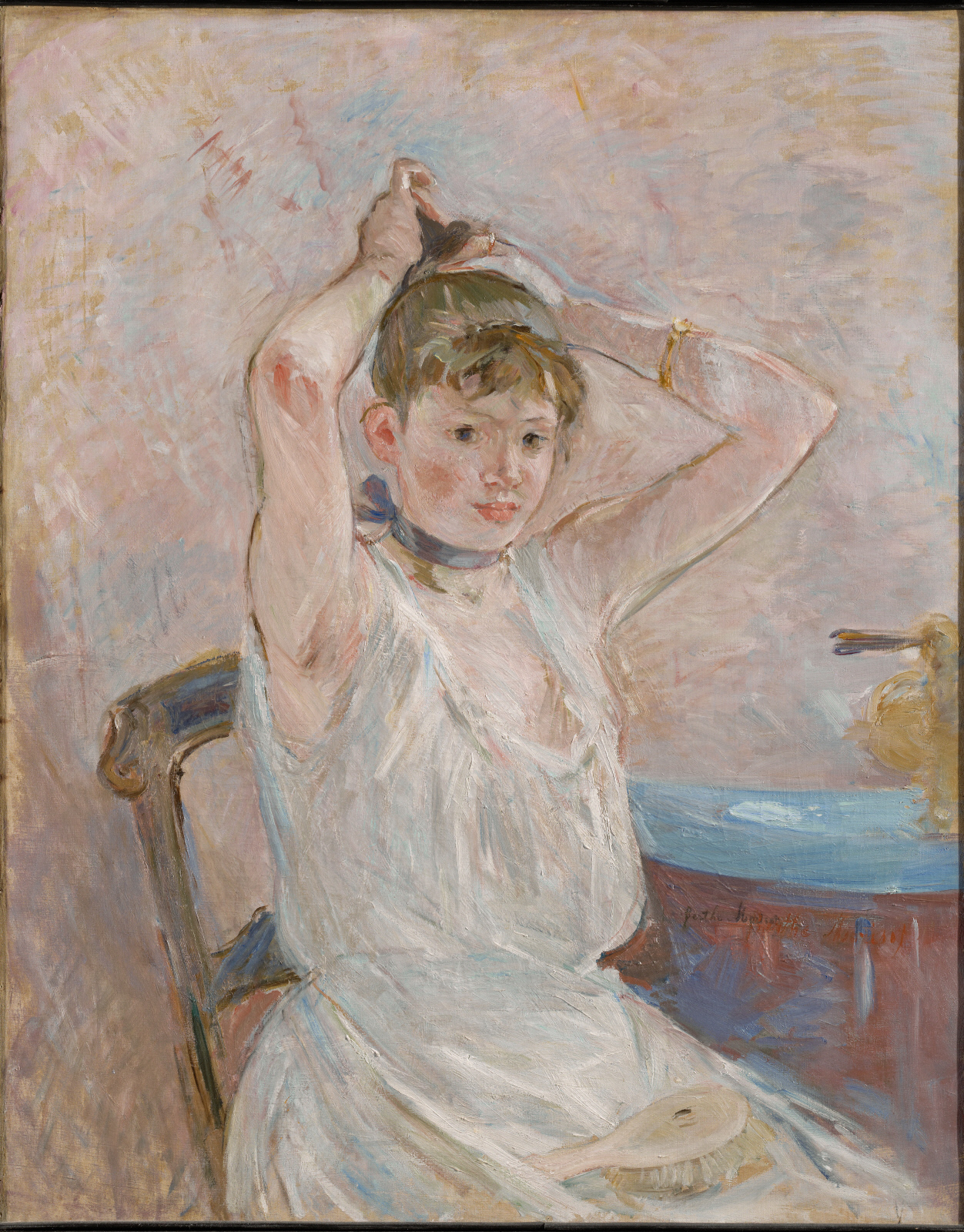
Berthe Morisot (January 14, 1841 – March 2, 1895) was a French painter closely associated with the Impressionist movement. She developed a distinctive approach to painting that favored light touch, subtle color, and scenes of everyday life. Morisot worked in oils, pastels and watercolor and is especially remembered for intimate portraits of women and children, as well as luminous domestic interiors and occasional landscapes.
Image gallery
10 Images




Life and career
Born in Bourges and later based in Paris, Morisot began serious artistic study in the 1860s and was influenced early on by the landscape painter Camille Corot. She submitted work to the official Paris Salon as early as 1865 and met Édouard Manet in 1868; the two artists maintained a close friendship and mutual influence throughout their careers. In 1874 Morisot married Eugène Manet, Édouard's brother, and that same year she joined the group of artists who organized the first independent Impressionist exhibition, aligning herself with the movement often called Impressionism.
Style and subjects
Morisot's technique is characterized by loose, fluid brushstrokes and a luminous palette. Rather than dramatic narratives, she favored quiet, ephemeral moments: women at home, children at play, a woman reading, or a brief view through a window. Her work frequently blends figure and environment so that the subject appears part of a shimmering atmosphere rather than sharply isolated. She used pastel and watercolor as complements to oil, exploring variation in texture and freshness of surface.
- Mediums: oils, pastels, watercolors
- Common subjects: domestic scenes, portraits, family members, occasional landscapes
- Key influences: Camille Corot, Édouard Manet — she sat for and inspired several portraits by him (Édouard Manet)
Reception, achievements, and legacy
During her life Morisot experienced mixed critical reaction: the Impressionists as a group were often derided by conservative critics, and she faced some of the same dismissals directed at her male peers. Despite limited critical acceptance early on, she achieved relative commercial success for an Impressionist of her time; at points in her career she sold more paintings than several contemporaries, including Claude Monet, Pierre-Auguste Renoir, and Alfred Sisley. After her death, critics and institutions gradually recognized the originality and importance of her contribution to modern art.
Today Morisot is acknowledged as a major figure who broadened the subject matter of Impressionism and asserted a feminine perspective within a male-dominated art world. Her works are held in important public collections and continue to be the subject of exhibitions and scholarship. Her paintings are valued for their subtlety, intimate scale, and the way they capture fleeting impressions of private life.
Notable points: she exhibited at the first Impressionist exhibition of 1874, maintained a lifelong artistic dialogue with Manet, and developed a refined pictorial language that balanced spontaneity with compositional care. Her legacy endures as an example of how Impressionism could depict modern life from a domestic and personal viewpoint.
Questions and answers
Q: Who was Berthe Marie Pauline Morisot?
A: Berthe Marie Pauline Morisot was an Impressionist painter born in Bourges, France, in 1841.
Q: Who did Berthe Marie Pauline Morisot study with?
A: Berthe Marie Pauline Morisot studied with Camille Corot in the 1860s.
Q: Who did Berthe Marie Pauline Morisot meet in 1868?
A: Berthe Marie Pauline Morisot met artist Édouard Manet in 1868.
Q: What is Berthe Marie Pauline Morisot known for painting?
A: Berthe Marie Pauline Morisot's paintings typically depict women and children in everyday domestic life.
Q: Was Berthe Marie Pauline Morisot commercially successful during her lifetime?
A: No, Berthe Marie Pauline Morisot was not commercially successful during her lifetime.
Q: Did Berthe Marie Pauline Morisot outsell other prominent Impressionists during her lifetime?
A: Yes, Berthe Marie Pauline Morisot outsold prominent Impressionists Claude Monet, Pierre-Auguste Renoir, and Alfred Sisley during her lifetime.
Q: In what mediums did Berthe Marie Pauline Morisot work?
A: Berthe Marie Pauline Morisot worked in oils, pastels, and watercolor.
Related articles
Author
AlegsaOnline.com Berthe Morisot — French Impressionist painter Leandro Alegsa
URL: https://en.alegsaonline.com/art/10914