
Wood County, Wisconsin: geography, history, economy, and community
Overview of Wood County, Wisconsin — its location, history of logging and paper manufacturing, communities including Wisconsin Rapids, economy, government, and outdoor recreation.
Overview
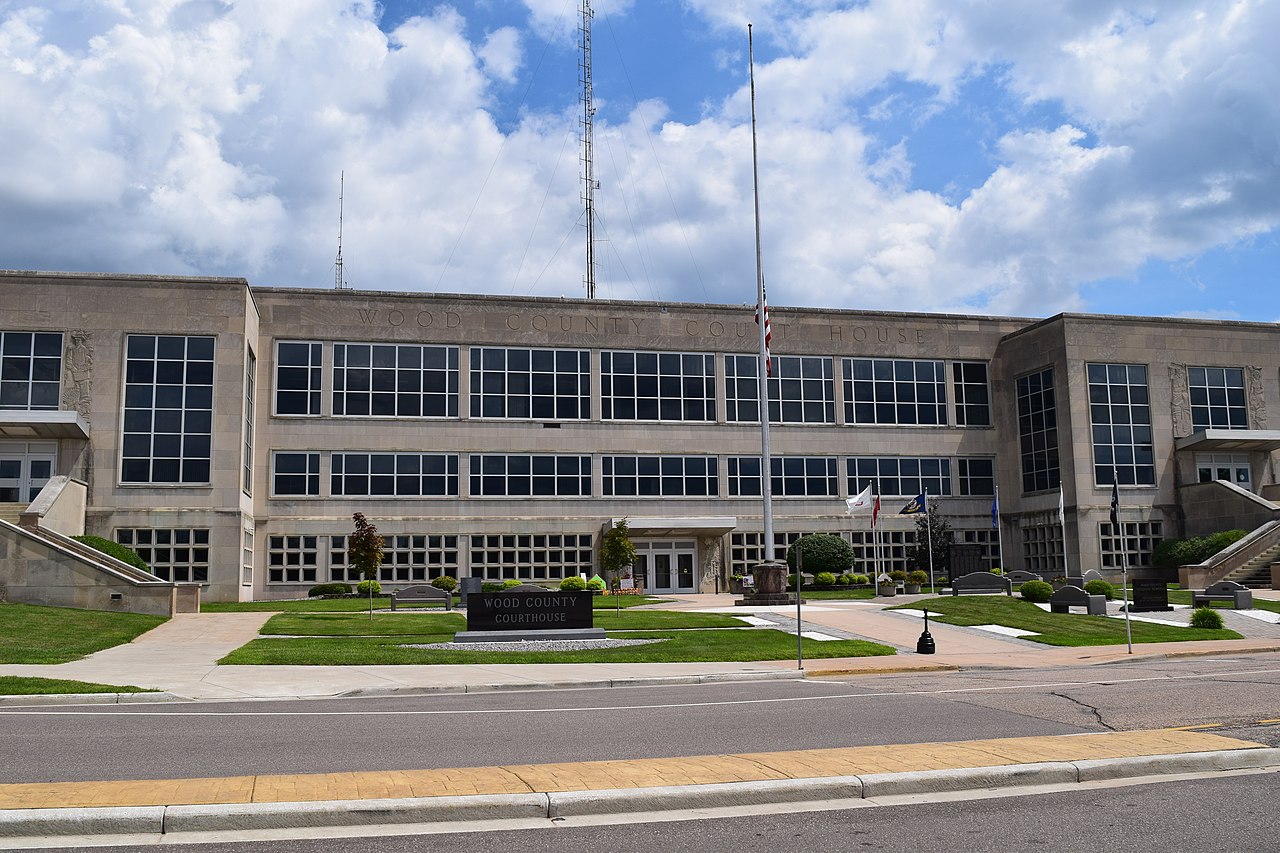
Wood County lies in central the state of Wisconsin in the United States. Its county seat is Wisconsin Rapids. Historically a center for timber and wood processing, the county had a recorded population of 75,555 people in the year 2000; the number and composition of residents have evolved since then due to economic and demographic change.
Image gallery
6 Images


Geography and environment
Wood County occupies a region of rolling plains, river valleys and mixed forest. The Wisconsin River and several smaller streams cross the county, creating lakes, wetlands and corridors of riparian habitat. Land use is a mosaic of small cities and villages, agricultural fields, woodlots and public conservation areas that support hunting, fishing and wildlife observation.
History and development
The county developed in the 19th century with the arrival of logging, sawmills and river transport. Abundant pine and hardwood stands attracted timber harvesters and entrepreneurs who established mills and later paper mills. Those early industries shaped settlement patterns, local towns and transportation links that continued to influence economic activity into the 20th century.
Economy and communities
Traditional industries include timber, paper manufacturing and related wood products; in modern times the local economy also includes agriculture, light manufacturing, retail and services. Wisconsin Rapids serves as a regional hub for commerce, culture and government. The county contains a mix of cities, villages and townships that vary in size and economic focus.
Government, services and demographics
Wood County government provides highways, public safety, social services and land‑use planning through an elected county board and administrative offices. Demographic trends reflect aging populations in some rural areas and modest growth in service centers; communities work to balance economic development with conservation of natural resources.
Recreation and notable features
Outdoor recreation is a prominent attraction: boating, fishing, snowmobiling, hunting and trail use are popular. Conservation lands and local parks offer seasonal activities. Cultural events, historical sites linked to the logging and paper industries, and small‑town festivals contribute to the county’s local identity.
- Major themes: timber and paper heritage, riverine landscape, mixed rural economy.
- Visiting or researching: check local government and tourism sources for current services, maps and event listings.
Questions and answers
Q: What is Wood County?
A: Wood County is a county in the state of Wisconsin in the United States.
Q: How many people were living in Wood County as of 2000?
A: As of 2000, 75,555 people were living in Wood County.
Q: What is the county seat of Wood County?
A: The county seat of Wood County is Wisconsin Rapids.
Q: Where is Wood County located?
A: Wood County is located in the state of Wisconsin in the United States.
Q: What is the population of Wood County as of the latest census?
A: The text does not provide information about the population of Wood County as of the latest census.
Q: What are some of the major cities or towns located in Wood County?
A: The text does not provide information about major cities or towns located in Wood County, other than the county seat, Wisconsin Rapids.
Q: What is the economy of Wood County based on?
A: The text does not provide information about the economy of Wood County.
Related articles
Author
AlegsaOnline.com Wood County, Wisconsin: geography, history, economy, and community Leandro Alegsa
URL: https://en.alegsaonline.com/art/108909
Sources
- naco.org : "Find a County"