
Wonder Stories (American science fiction magazine, 1929–1955)
An early American science fiction pulp magazine founded by Hugo Gernsback in 1929; later merged and retitled Thrilling Wonder Stories under Ned Pines. Influential in developing the field and magazine fandom.
Overview
Wonder Stories was a landmark American pulp magazine devoted to speculative fiction and science-based adventure. Launched by Hugo Gernsback in 1929 after he lost control of his earlier magazine, Amazing Stories, the title existed in several forms through 1955. It served as one of the principal venues for the popularization of science fiction during the interwar and immediate postwar years, publishing short stories, serials, practical articles, and illustrated cover art aimed at a mass readership.
Image gallery
3 Images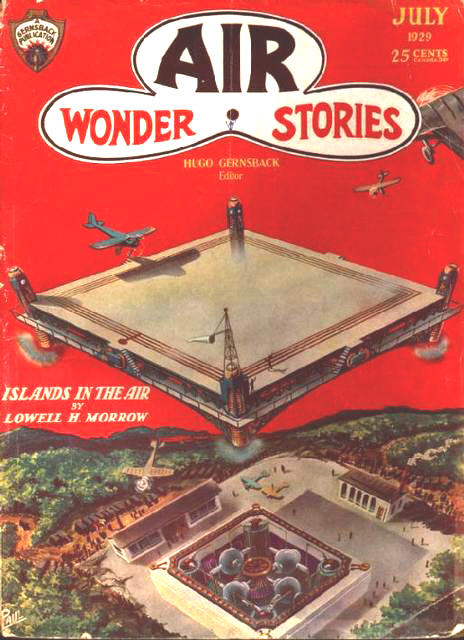

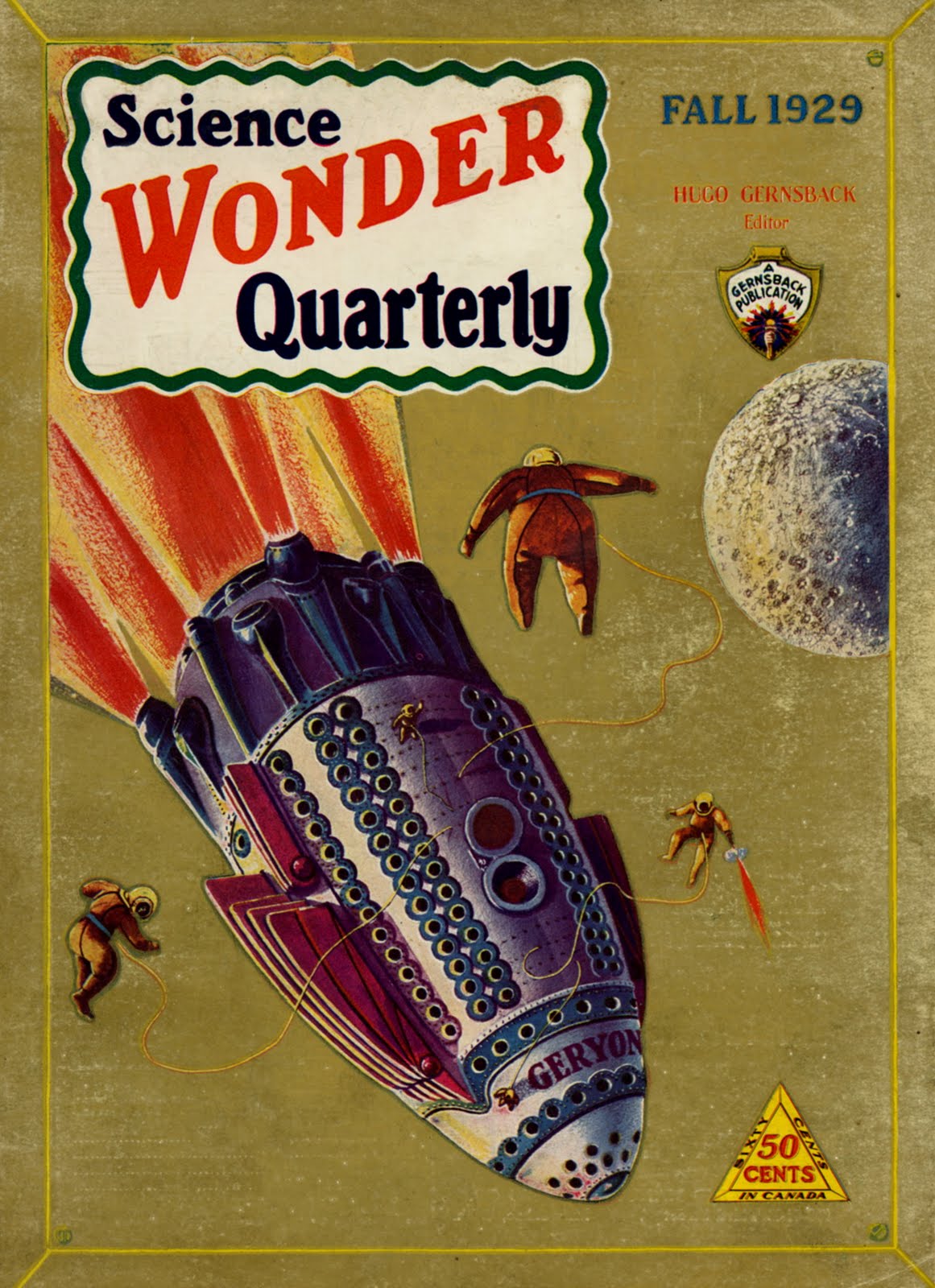
Origins and editorial direction
Gernsback, who popularized the term "scientifiction" to describe fiction with a strong emphasis on scientific ideas, created two related magazines—Air Wonder Stories and Science Wonder Stories—before combining them under the Wonder Stories name in 1930. Under his ownership the magazine emphasized scientific plausibility, educational value, and adventurous imagination. Editors such as David Lasser worked to raise story quality and attract writers, and Charles Hornig later took on editorial duties. The magazine featured editorial commentary and a letters section that helped foster an early community of readers and amateur enthusiasts.
Format, content, and characteristics
Published as a pulp (inexpensive, paper-bound, mass-market) magazine, Wonder Stories typically included a mix of short fiction, multi-part serials, technical or speculative articles, and illustrations. Covers were often colorful and dramatic, emphasizing rockets, alien worlds, and extraordinary machines—visual tropes that helped define the look of pulp-era science fiction. The magazine favored accessible adventures that combined scientific ideas with clear narrative drive, appealing to younger readers as well as adult fans.
Later history and title changes
Despite its cultural influence, Wonder Stories struggled financially and in 1936 Gernsback sold it to publisher Ned Pines of Beacon Publications. Pines rebranded the title as Thrilling Wonder Stories and continued publication for almost two decades, shifting the editorial emphasis at times toward faster-paced action and space-opera elements that matched popular tastes. The title ran until the last issue dated Winter 1955, after which it was merged into another Pines magazine, Startling Stories.
Notable editors, contributors, and timeline
- Founder and publisher: Hugo Gernsback (initiated the line after Amazing Stories)
- Key editors under Gernsback: David Lasser (focused on improving literary quality) and Charles Hornig
- Sold to: Ned Pines at Beacon Publications in 1936; retitled Thrilling Wonder Stories
- Final independent issue dated: Winter 1955; subsequently merged with Startling Stories
Legacy and significance
Wonder Stories played a formative role in legitimizing and popularizing science fiction as a magazine category. It helped turn speculative ideas into recurring themes and visual styles for the genre, promoted an editorial approach that valued both scientific interest and entertainment, and contributed to the growth of early fandom through letters pages and community features. Although the magazine itself changed hands and tone over the years, its existence across the pulp era left a lasting imprint on how science fiction was produced, marketed, and read in the United States.
For further reading about its founder and the magazine's history, see more detailed resources at external references on Wonder Stories and Gernsback.
Questions and answers
Q: What is Wonder Stories?
A: Wonder Stories is an early American science fiction magazine.
Q: Who started Wonder Stories?
A: Hugo Gernsback started Wonder Stories.
Q: Did Hugo Gernsback have another science fiction magazine before starting Wonder Stories?
A: Yes, he lost control of his first science fiction magazine, Amazing Stories.
Q: When were Air Wonder Stories and Science Wonder Stories merged?
A: Air Wonder Stories and Science Wonder Stories were merged in 1930 as Wonder Stories.
Q: How long did Wonder Stories continue under Ned Pines at Beacon Publications?
A: Thrilling Wonder Stories, which was Wonder Stories retitled, continued for nearly 20 years under Ned Pines at Beacon Publications.
Q: Who were the editors under Gernsback's ownership of Wonder Stories?
A: The editors under Gernsback's ownership were David Lasser, who worked hard to improve the quality of the fiction, and Charles Hornig from mid-1933.
Q: When was the last issue of Wonder Stories and what happened to its title?
A: The last issue of Wonder Stories was dated Winter 1955, and the title was then merged with another of Pines' science fiction magazines, Startling Stories.
Related articles
Author
AlegsaOnline.com Wonder Stories (American science fiction magazine, 1929–1955) Leandro Alegsa
URL: https://en.alegsaonline.com/art/108886