
Wine (software): Windows compatibility layer for Unix-like systems
Wine is an open-source compatibility layer that enables many Microsoft Windows applications to run on Unix-like systems without emulation. It includes Winelib and is distributed under the LGPL.
Wine is a compatibility layer that allows applications written for Microsoft Windows to run on Unix-like operating systems. Rather than emulating a full Windows machine, Wine implements many of the Windows application programming interfaces (APIs) and system libraries so that Windows binaries can execute directly on platforms such as Linux and BSD. The project's name is a recursive acronym commonly rendered as “Wine Is Not an Emulator,” emphasizing that it translates system calls instead of performing instruction-level emulation.
Image gallery
6 Images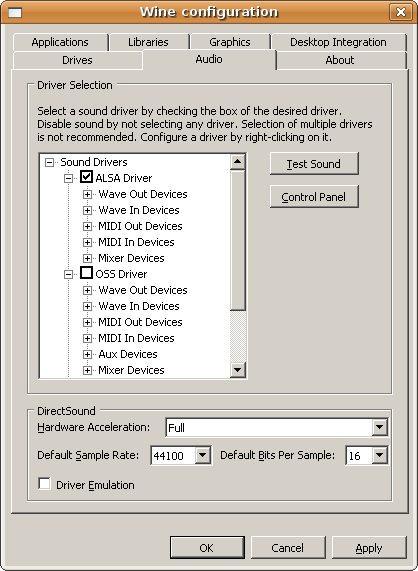


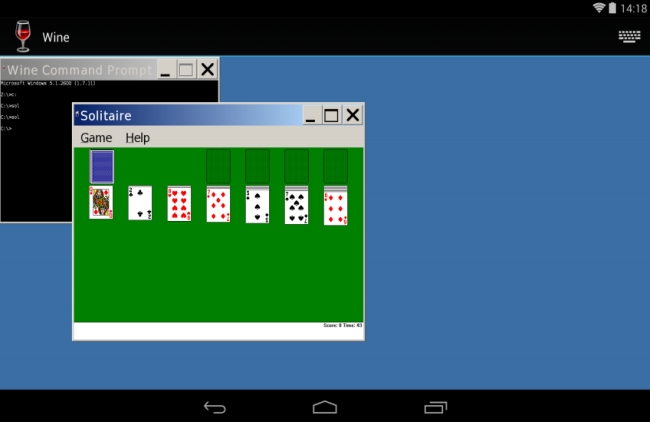

How Wine works
At a technical level, Wine provides alternative implementations of Windows DLLs and system services and maps Windows concepts to native POSIX calls and kernel services. This approach makes it possible for many programs to behave similarly to how they would under Windows, often with near-native performance. Wine traditionally supports the x86 and x86-64 processor families and can be extended or compiled for other architectures in some environments. Developers can also use Winelib, a development library supplied with Wine, to recompile or port Windows applications to run natively on Unix-like systems.
Wine operates in user space and includes components that manage library loading, process creation, and the translation of file, registry, and windowing operations. Common user-facing tools include configuration utilities to manage per-application environments (so-called "prefixes") and helper programs to handle DLL overrides, font substitution, and other compatibility settings.
History, licensing and related projects
The Wine project began in the early 1990s and has been developed by a community of contributors led initially by a small group of maintainers. After many years of incremental development, the project announced its 1.0 release in June 2008. Wine is published as free software under the GNU Lesser General Public License (LGPL), allowing both open-source and proprietary software to link against parts of its libraries under certain conditions. Parts of Wine's code and concepts have been shared with or reused by related efforts; for example, some Wine components are present in the ReactOS project, an independent attempt to create a free, Windows-compatible operating system. Commercial products and compatibility layers, such as retail compatibility tools and forks, sometimes build on Wine's code or technologies.
Uses, examples and limitations
Wine is commonly used to run productivity applications, legacy utilities, and a wide selection of games on non-Windows desktops. Valve's compatibility initiatives for running Windows games on Linux, and other projects that translate Direct3D calls to Vulkan, often draw on Wine technologies or integrate Wine libraries as part of a larger compatibility stack. However, compatibility is application-specific: some programs run flawlessly, others require tweaks or additional components, and some cannot be made to run at all. Users typically consult compatibility databases and community guides to determine whether a particular title is supported and to find configuration tips.
- Common strengths: no full OS emulation, lower overhead, active community testing and documentation.
- Common limitations: incomplete or imperfect API coverage, occasional stability or performance issues, and differences in driver or graphics behavior compared to native Windows.
Further resources
For more information, users can consult the project's official pages, platform guides, and community databases. Relevant resources include the official Wine project site, documentation about Unix-like operating systems, descriptions of supported architectures such as x86 and x86-64, and background about the non-emulation approach Wine takes. Historical release notes for the 1.0 milestone and other announcements can be found via release archives, while broader commentary on licensing and distribution is available through links about free software and the LGPL. Community-driven projects related to or incorporating Wine components include efforts such as ReactOS. For practical compatibility information and troubleshooting, many users rely on curated databases and guides listed in community portals and forums (release notes and guides). Additional technical or developer-oriented resources may be found via platform and packaging pages (Windows app references).
Because Wine is actively developed, its compatibility and feature set continue to evolve; users seeking to run specific applications should check current documentation, testing reports, and community advice for up-to-date guidance.
Questions and answers
Q: What is Wine?
A: Wine is a software that allows Unix-like computer operating systems on the x86 and x86-64 architectures to run Microsoft Windows programs without using emulation.
Q: What is the Winelib of Wine?
A: The Winelib of Wine is a software library that developers can use to compile Windows applications against to help port them to Unix-like systems.
Q: What is ReactOS?
A: ReactOS is a free operating system that is Windows-compatible and is not based on Unix. It uses some Wine code.
Q: What is the main feature of Wine?
A: The main feature of Wine is to let Unix-like systems run Windows programs without using emulation.
Q: When was Wine version 1.0 released?
A: Wine version 1.0 was released on June 17, 2008, after 15 years of development.
Q: Is Wine a free software?
A: Yes, Wine is a free software released under terms of the GNU Lesser General Public License (LGPL).
Q: Can developers use Wine to port Windows applications to Unix-like systems?
A: Yes, developers can use Wine and its Winelib to compile Windows applications against it and port them to Unix-like systems.
Related articles
Author
AlegsaOnline.com Wine (software): Windows compatibility layer for Unix-like systems Leandro Alegsa
URL: https://en.alegsaonline.com/art/108562
Sources
- wiki.winehq.org : "Winelib"