
Windsurfing: History, Equipment, Techniques and Competitive Disciplines
Windsurfing is a wind-propelled board sport combining sailing and surfing. This article covers its origins, equipment, riding techniques, competitive formats, safety and popular locations.
Overview
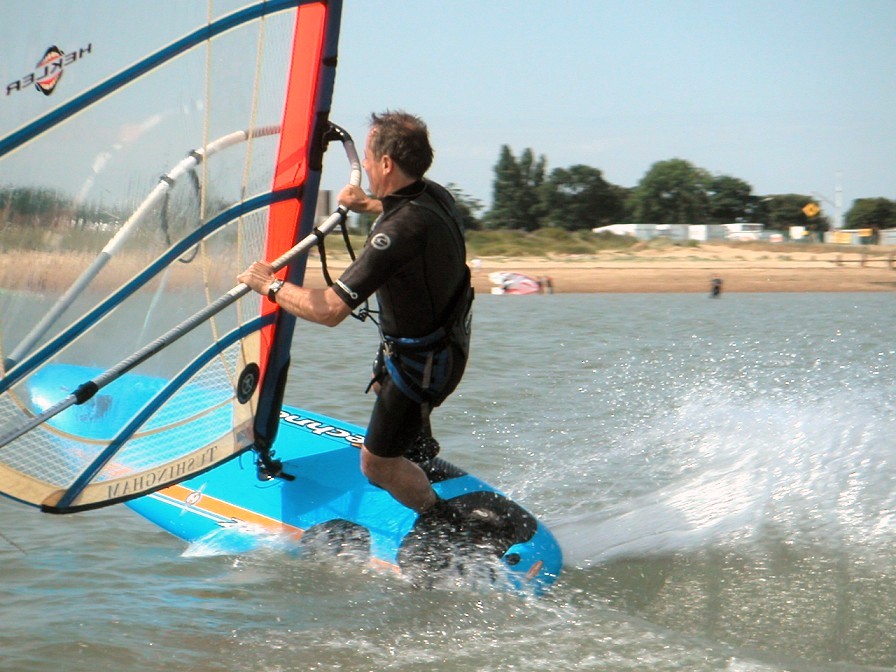
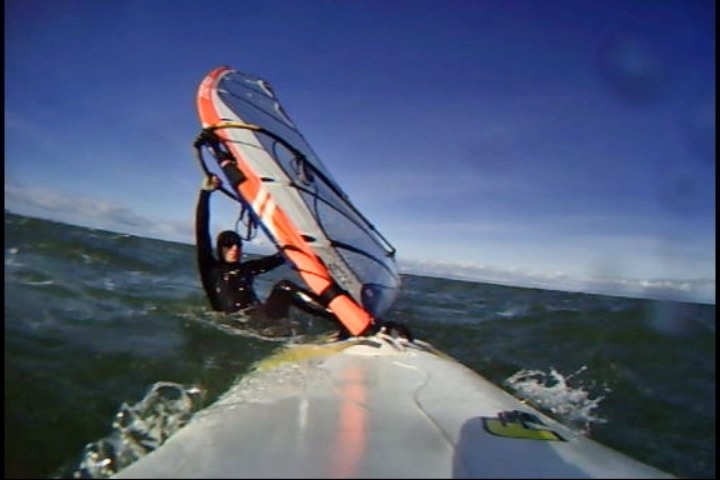
Windsurfing is a surface water sport in which a rider stands on a board and uses a sail mounted on a moveable mast to harness wind power and propel across water. It blends principles of sailing and surfing: like sailing it uses wind-driven lift through a sail, and like surfing it requires balance and board control. Windsurfing can be practised on lakes, coastal waters and open ocean when wind and conditions permit. For a basic introduction to the activity, see this sport overview and a general beginner guide.
Image gallery
9 Images




Equipment and design
The core components are the board and the rig (mast, sail and boom) connected by a flexible joint. Typical parts include:
- Board: varies by volume and shape; larger boards are more stable for beginners while narrower boards suit high-speed or wave riding. See board types.
- Sail: sized according to wind strength, rider weight and discipline; larger sails generate more power but demand greater strength to control. Reference sail sizing.
- Mast and boom: support and control the sail; the boom allows trimming and steering. More detail at rig components.
- Appendages: fin(s) for lateral resistance, footstraps for control, and occasionally a harness to transfer load to the body. Maintenance tips: care and setup.
Technique and conditions
Riding requires understanding wind direction, stance, sail trim and board balance. Beginners learn to power up and maintain course on a large, buoyant board in steady winds. Intermediate and advanced sailors practise tacking and gybing (turns), planing (when the board lifts and skims the water) and using harnesses or footstraps to handle stronger winds. Practical instruction and drills are available in many instructional programs; see a sample lesson plan. Windsurfers adapt to different water states: flatwater for speed and slalom, waves for surf-style riding, and light winds in sheltered waters for recreational cruising — more on conditions at wind and water advice.
Disciplines and competition
Windsurfing has several distinct disciplines: freeride, slalom, wave riding, freestyle, racing and (more recently) foiling. Competitive formats include buoy racing, time trials and judged freestyle or wave events. The sport has Olympic history and organized professional tours; see competition overview and an example of event formats at race formats.
History and development
The idea of attaching a sail to a board dates to experimental designs in the mid-20th century, and a recognizable prototype appeared in the late 1950s. The sport developed rapidly through design improvements in the 1960s and 1970s, leading to widespread recreational and competitive adoption. Commercial growth, specialized equipment and formal instruction transformed windsurfing into an international activity; historical notes and timelines are summarized at early history and evolution of equipment.
Where to practice and safety
Popular windsurfing regions include coastal and island locations with reliable winds. Many travel to renowned spots for consistent conditions; see travel resources at destination guides. Safety considerations focus on wearing a buoyancy aid, checking weather and tides, understanding right-of-way rules, and using appropriate equipment for conditions. Local clubs and schools provide supervised learning and safety briefings; find local opportunities via club listings and rental services at rental info. For environmental and skill resources, consult conservation tips, advanced technique, equipment reviews, and competition calendars.
Questions and answers
Q: What is windsurfing?
A: Windsurfing is a water sport that combines elements of surfing and sailing. It involves standing on a board with a sail, which both empowers the board and helps it to change directions.
Q: When was windsurfing invented?
A: Windsurfing was invented in 1958 by Peter Chilvers on Hayling Island, Hampshire in the U.K.
Q: What type of water can be used for windsurfing?
A: Windsurfers can use either flat or rough water as long as there is enough wind to power the sail.
Q: Is there any competition involved in windsurfing?
A: Yes, there are competitions involving freestyle and racing around buoys, and it has even featured in the Olympics.
Q: How do different sizes of sails affect windsurfing?
A: The larger the sails are, the more human strength is needed to control them but they also provide more power to go faster. Similarly, thinner boards will generally allow you to go faster than thicker boards made from different materials.
Q: Is kite surfing similar to windsurfing?
A: Yes, kite surfing is another sport that is similar to windsurfing because both involve using boards of varying sizes and prices that require much practice before they can be done well.
Q: Where are some good places for people who want to go surfing?
A: Some of the best places for people who want to go surfing include the west coast of the United States, Hawaii, Australia, and Indonesia.
Related articles
Author
AlegsaOnline.com Windsurfing: History, Equipment, Techniques and Competitive Disciplines Leandro Alegsa
URL: https://en.alegsaonline.com/art/108557