
William Saroyan: Armenian‑American writer of plays and short stories
Overview of William Saroyan (1908–1981), his life in Fresno, major works and themes, literary style, historical context, and legacy in American and Armenian‑American letters.
William Saroyan (1908–1981) was a prominent American writer of Armenian descent whose fiction, plays and essays explored the lives of ordinary people. Born to immigrant parents, he became known for warm, energetic stories that blended compassion, humor and a belief in human dignity. Many of his narratives are set in and around the Central California city where he grew up: Fresno.
Image gallery
10 Images
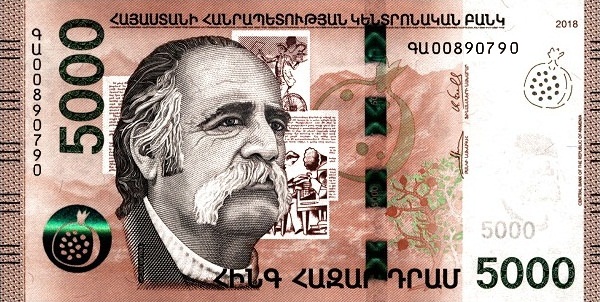


Style and themes
Saroyan's work often foregrounds simple, everyday characters and conversational speech. His tone ranges from exuberant optimism to quiet melancholy, and he favors short, direct sentences and lively dialogue. Recurring themes include the immigrant experience, poverty and resilience, the value of community, and a faith in human kindness even amid economic hardship such as the Great Depression. He is frequently described as a humanist who resisted dour realism in favor of humane, sometimes comic portrayals.
Major works and forms
He wrote across genres: short stories, stage plays, novels and screenplays. Notable titles include collections of stories and novellas as well as dramas that enjoyed popular and critical attention. His plays and short fiction contributed to mid‑20th century American theater and letters and were adapted for other media, bringing his voice to a wider audience. Readers often encounter his work in anthologies and theatrical revivals.
Background and development
The son of Armenian immigrants, Saroyan channeled personal and communal memories into his fiction. He came of age during a period of migration and economic upheaval, and his early writings reflect life in a working‑class immigrant neighborhood. While he wrote about local places with affection, he sometimes used fictional names and composite settings to capture universal aspects of displacement and home.
Reception and legacy
Saroyan achieved wide readership and critical recognition in his lifetime and remains a touchstone in Armenian‑American literature. He was admired for supplying an optimistic counterpoint to darker portrayals of the era and for championing ordinary people on stage and page. His independent spirit and occasional public stands about awards and artistic autonomy are part of his public persona.
Notable facts
- He is often cited as a central figure linking immigrant experience to mainstream American culture; see period commentaries and biographical studies for context (Armenian heritage, literary career).
- His popularity during the 1930s and beyond helped introduce Armenian‑American perspectives to wider audiences (ethnic roots, historical setting).
- His relationship to Fresno remained important to his identity and subject matter (regional ties).
Saroyan's writing continues to be read for its humane portrayal of struggle and hope, and for its influence on writers and dramatists who followed. For further reading and archival material, consult specialized bibliographies and collections of twentieth‑century American literature (background, national context, works).
Questions and answers
Q: Who was William Saroyan?
A: William Saroyan was an American author who wrote plays and short stories about growing up impoverished as the son of Armenian immigrants.
Q: What kind of stories did Saroyan write?
A: Saroyan wrote many plays and short stories about growing up impoverished as the son of Armenian immigrants.
Q: When were Saroyan's stories popular?
A: Saroyan's stories were popular during the Great Depression.
Q: Where did Saroyan grow up?
A: Saroyan grew up in Fresno, the center of Armenian-Americans in California.
Q: Where did Saroyan set many of his works?
A: Saroyan set many of his works in Fresno (although he sometimes gave the city a fictional name).
Q: How did Saroyan pronounce his name?
A: In Armenian, Saroyan's name was pronounced "sor-row'yan, accent on row." However, in America it was commonly mispronounced with "roy."
Q: What did Saroyan tell The Literary Digest about how to say his name?
A: Saroyan told The Literary Digest that in Armenian, his name was pronounced "sor-row'yan, accent on row."
Related articles
Author
AlegsaOnline.com William Saroyan: Armenian‑American writer of plays and short stories Leandro Alegsa
URL: https://en.alegsaonline.com/art/108296