
William Kemmler
William Kemmler was the first person executed by electric chair in 1890; his case and execution influenced U.S. legal rulings on capital punishment and the adoption of electrocution as an execution method.
William Kemmler is known in American legal and penal history as the first person put to death by electrocution. Convicted of the murder of Matilda "Tillie" Ziegler, his common‑law wife, Kemmler's conviction and execution marked a turning point in the search for methods thought to be more humane than hanging.
Image gallery
3 Images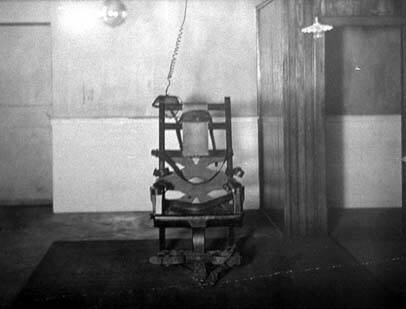

Crime and trial
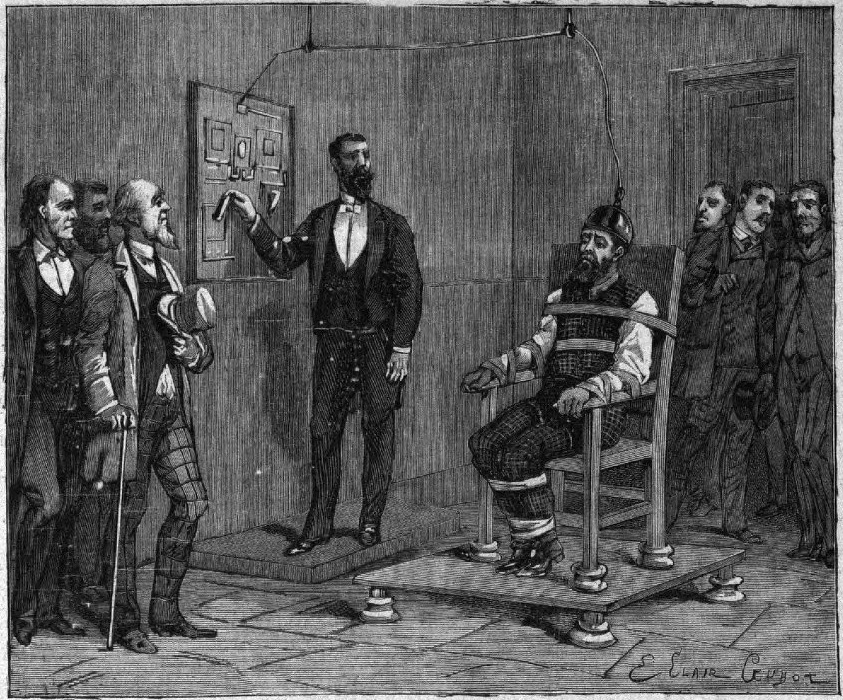
Kemmler was arrested, tried and convicted in New York State for the killing of Ziegler. The case drew public attention partly because the state had approved a new method of execution — electrocution — as an alternative to hanging. His trial and appeals took place against this novel legal and technological backdrop.
Execution and immediate aftermath
Kemmler was put to death at Auburn Prison in 1890 by means of the electric chair, a device that had been proposed in the 1880s as a supposedly more merciful form of capital punishment. Contemporary reports described that the first application of electricity did not quickly produce death and that attendants applied additional shocks; observers later reported smoke and burning, accounts that fed debate about the method's humaneness.
Legal and historical significance
Appeals arising from the case reached the United States Supreme Court. In a decision often cited in discussions of the Eighth Amendment, the Court held that execution by electrocution did not in itself constitute "cruel and unusual punishment." The ruling cleared the way for other states to adopt electrocution as an approved execution method.
Context and legacy
The electric chair's adoption occurred during a period of rapid technological change and intense public debate about the death penalty. Inventors, physicians and politicians argued about whether electricity could make executions quicker and less painful. The early years after Kemmler saw several other executions by electrocution, though hanging remained common for some time. The Kemmler case remains a touchstone in conversations about capital punishment, evolving standards of decency, and the role of technology in state practices of punishment.
Further reading
- Contemporary court opinions and legal analyses are available through historical records such as the court record.
- More on the development and controversies surrounding electrocution can be found at resources on execution methods: electrocution history.
Questions and answers
Q: Who was William Kemmler?
A: William Kemmler was the first convict executed by electrocution.
Q: Why was William Kemmler executed?
A: William Kemmler was executed for murdering his common law wife, Matilda "Tillie" Ziegler.
Q: Where was William Kemmler executed?
A: William Kemmler was executed by electrocution at Auburn Prison, New York State.
Q: When was William Kemmler executed?
A: William Kemmler was executed by electrocution at Auburn Prison, New York State in 1890.
Q: How many inmates had been executed by electrocution in the United States by the end of the decade?
A: By the end of the decade, 29 inmates had been executed by electrocution in the United States.
Q: What was the most usual method of execution during the time William Kemmler was executed?
A: Hanging was still the most usual method of execution during the time William Kemmler was executed.
Q: What was the significance of William Kemmler's execution?
A: William Kemmler's execution marked the beginning of electrocution as a method of execution in the United States.
Related articles
Author
AlegsaOnline.com William Kemmler Leandro Alegsa
URL: https://en.alegsaonline.com/art/108255