
William Longsword, second ruler of Normandy
William Longsword (c.900–942), son of Viking leader Rollo, strengthened and expanded early Normandy and shaped its relations with West Francia; he was succeeded by his son Richard I.
Overview
William Longsword (c. 900 – 17 December 942) was the son and successor of Rollo, the Scandinavian founder of the duchy later known as Normandy. Often called Longsword because of his reputed stature or weapon, William led the early Norman polity during a formative period and extended his family's control beyond the original grant of land. His rule helped transform a Viking foothold into a territorial power within the kingdom of the Franks.
Image gallery
4 Images

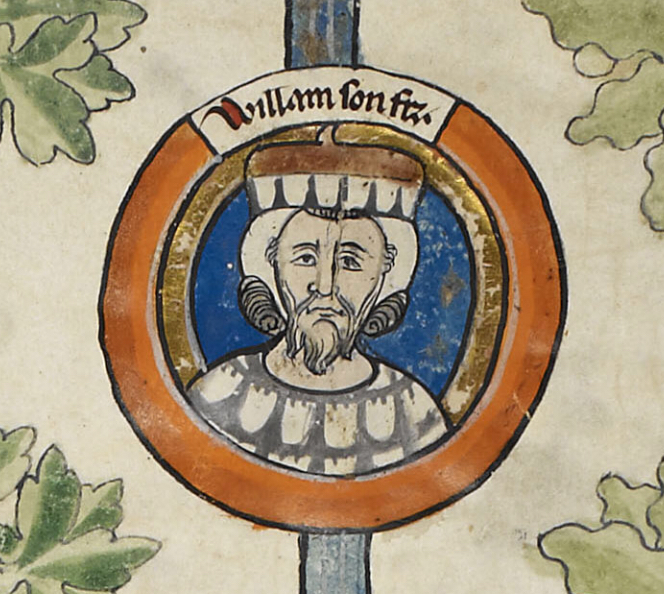

Rule and territorial growth
After inheriting his father's position, William consolidated authority over the Norse settlers and local populations. He continued the process of territorial expansion and integration that followed the 10th-century settlement arrangements. Under his leadership, Norman influence reached into neighboring counties and he secured strategic locations that increased the region's political weight in northern Francia.
Relations with Frankish rulers
William navigated complex relationships with the kings and nobles of what contemporaries called West Francia. At times he acknowledged Frankish overlords to legitimize his rule; at other times he acted independently or in competition with nearby counts and dukes. His diplomacy and occasional military action were typical of the shifting loyalties that characterized early medieval frontier politics.
Death and legacy
William was killed in 942 during a period of political tension; accounts agree that his death was violent and occurred while he was still active as a regional leader. He was succeeded by his son, Richard, who would consolidate Norman authority further and guide the territory toward the ducal structure recognized in later centuries. William's reign is therefore seen as a bridge between the initial Norse settlement led by his father and the rising Norman state that would play a major role in European history.
Notable facts
- He is associated with the early institutional development of Normandy, a name that would later denote a powerful duchy and cultural region.
- William's lineage linked Viking leaders with Frankish nobility, a process that shaped identity and law in the region.
- His son Richard I continued the process of consolidation that produced the hereditary rulership known in medieval sources.
Though many individual episodes of his life are sparingly recorded or debated by historians, William Longsword's significance rests in his role as an early ruler who strengthened Norman institutions and set the stage for the duchy's later prominence in European affairs.
Questions and answers
Q: Who was William I Longsword?
A: William I Longsword was the second "Duke of Normandy".
Q: When did William I Longsword live?
A: William I Longsword lived around the year 900 to 942.
Q: What did William I Longsword do to his father's territories?
A: William I Longsword added to his father's territories.
Q: What did William I Longsword do to expand Norman influence?
A: William I Longsword began to expand Norman influence in West Francia.
Q: Where is West Francia located?
A: West Francia is located in France.
Q: What was William I Longsword's contribution to Norman history?
A: William I Longsword played a significant role in Norman history by expanding Norman influence in West Francia.
Q: Why is William I Longsword important?
A: William I Longsword is important because he helped to expand Norman territories and established Norman influence in France.
Related articles
Author
AlegsaOnline.com William Longsword, second ruler of Normandy Leandro Alegsa
URL: https://en.alegsaonline.com/art/108244