
Wild boar (Sus scrofa): biology, range, behavior and human relationships
A widespread wild pig native to Eurasia and North Africa. The wild boar is an adaptable omnivore, ancestor of domestic pigs, culturally significant and often a management concern where introduced.
Overview
The wild boar (Sus scrofa) is a large, adaptable wild pig native to Eurasia and North Africa. It belongs to the family Suidae and is closely related to the domesticated pig (Sus scrofa domesticus). Wild boars have established populations in many regions outside their original range, often as a result of deliberate introductions or escapes from farms; these introduced populations can have important ecological and economic effects (see distribution).
Image gallery
10 Images




Physical characteristics and behavior
Wild boars show a sturdy build with coarse hair, a relatively long snout for rooting, and tusks that vary between sexes and age classes. Coat color and thickness change with latitude and season. They are omnivores with a flexible diet that includes roots, tubers, fruits, small animals and carrion, allowing them to thrive in diverse habitats. Their social structure commonly includes matriarchal sounders—groups of adult females and their offspring—while adult males may range singly or in small bachelor groups, particularly outside the breeding season (diet and feeding).
Range, habitat and spread
Originally widespread across forests, grasslands and scrub of Eurasia and parts of North Africa, wild boars occupy a broad range of environments. Human activity has extended their range: they were moved deliberately for hunting or escaped domestic stock and established feral populations in new areas. In some regions they are considered invasive, damaging crops, altering soils and competing with native species. Management of expanding populations is a focus for wildlife agencies and farmers (hunting and management).
History, cultural significance and human uses
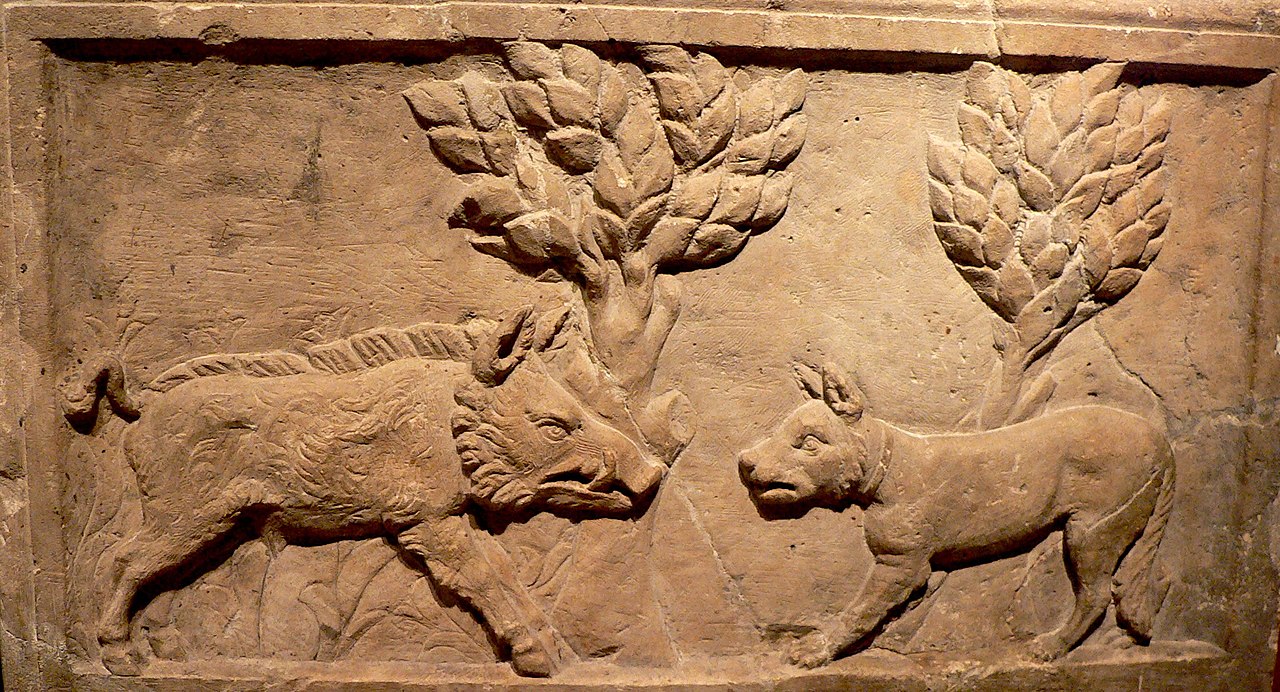
Wild boars have long been important to human societies. They were hunted for meat and hides, and they appear frequently in myth and art across many cultures—sometimes symbolizing strength, ferocity or chaos, and at other times bravery and fertility. Ancient Mediterranean cultures and northern European traditions include notable boar myths and hunting symbolism (mythology; art and symbol; Greek references). Beyond symbolism, historical uses included practical applications: for example, bristles from wild boars supplied the soft hairs used in many early toothbrushes before synthetic materials became common (bristle sources; domestic use).
Ecological role, impacts and health considerations
Ecologically, wild boars affect their environments through rooting and foraging, which can alter plant communities and soil structure. Where introduced, these effects can be pronounced and lead to conflicts with agriculture and conservation goals. Wild boars can carry and transmit parasites and diseases that affect livestock, wildlife and occasionally humans, so monitoring and biosecurity are important wherever boar populations intersect with farms (disease and hygiene).
Key distinctions and management notes
- Distinction from domestic and feral pigs: domestic pigs derive from wild boars but differ in morphology and behavior; feral pigs are escaped domestics that may interbreed with wild boars.
- Management strategies: vary from regulated hunting to exclusion, fencing and habitat modification, depending on legal, ecological and social contexts.
- Conservation: in parts of their native range wild boars are locally important components of biodiversity and cultural heritage, while elsewhere they are managed as pests.
For balanced perspectives on their biology, impacts and management practices consult regional wildlife authorities and peer-reviewed literature; cultural histories and archaeological studies provide context for their long relationship with people.
Questions and answers
Q: What family and order does the wild boar belong to?
A: The wild boar belongs to the family of the real pig (Suidae) from the order of artiodactyls.
Q: Where do wild boars live?
A: They live today in almost every part of the world, even many countries that are not their natural habitats. The wild boar is native to Eurasia and North Africa.
Q: What kind of diet do wild boars have?
A: Wild boars are omnivorous and easily adapt to changes.
Q: Why were wild boars hunted in Europe?
A: Wild boars were hunted in Europe from long ago for many of their body parts.
Q: What is the mythology surrounding wild boars?
A: They were shown in the mythology of many ancient civilizations. Greek, Phoenician, and Persian mythology showed them as fierce, sometimes evil, while others showed them as brave, powerful animals. Again, others saw them as parasitic.
Q: What was the hair of the boar used for until the 1930s?
A: The hair of the boar was often used when making the toothbrush until the 1930s. The hair for the bristles usually came from the neck area of the boar.
Q: Why was the wild boar hair not the best material for oral hygiene?
A: The brushes were popular because the bristles were soft. However, this was not the best material for oral hygiene because the hairs dried slowly and usually held bacteria.
Related articles
Author
AlegsaOnline.com Wild boar (Sus scrofa): biology, range, behavior and human relationships Leandro Alegsa
URL: https://en.alegsaonline.com/art/108062
Sources
- blackwellpublishing.com : "Mammal Rev. 1999, Volume 29., No. 4"
- 1800dentist.com : "Dental Encyclopedia"
- britishwildboar.org.uk : "Wild Boar in Britain"