
Waterworld (1995 film)
1995 post‑apocalyptic action film starring and produced by Kevin Costner, known for costly maritime production, a polar‑melt setting, mixed reviews, and eventual financial recovery through international markets.
Overview
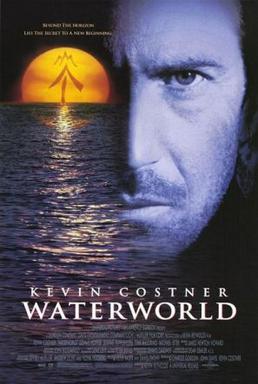
Waterworld is a 1995 post‑apocalyptic action film that stars and was produced by Kevin Costner and was directed by Kevin Reynolds. Set in a future where polar ice caps have melted and the Earth is almost entirely covered by water, the story follows a lone seafarer known as the Mariner who becomes embroiled with survivors searching for a mythical dry land. The film blends adventure, spectacle, and survival themes and was one of the most prominent big‑budget studio pictures of the mid‑1990s. For background on its genre and themes see genre context.
Image gallery
2 Images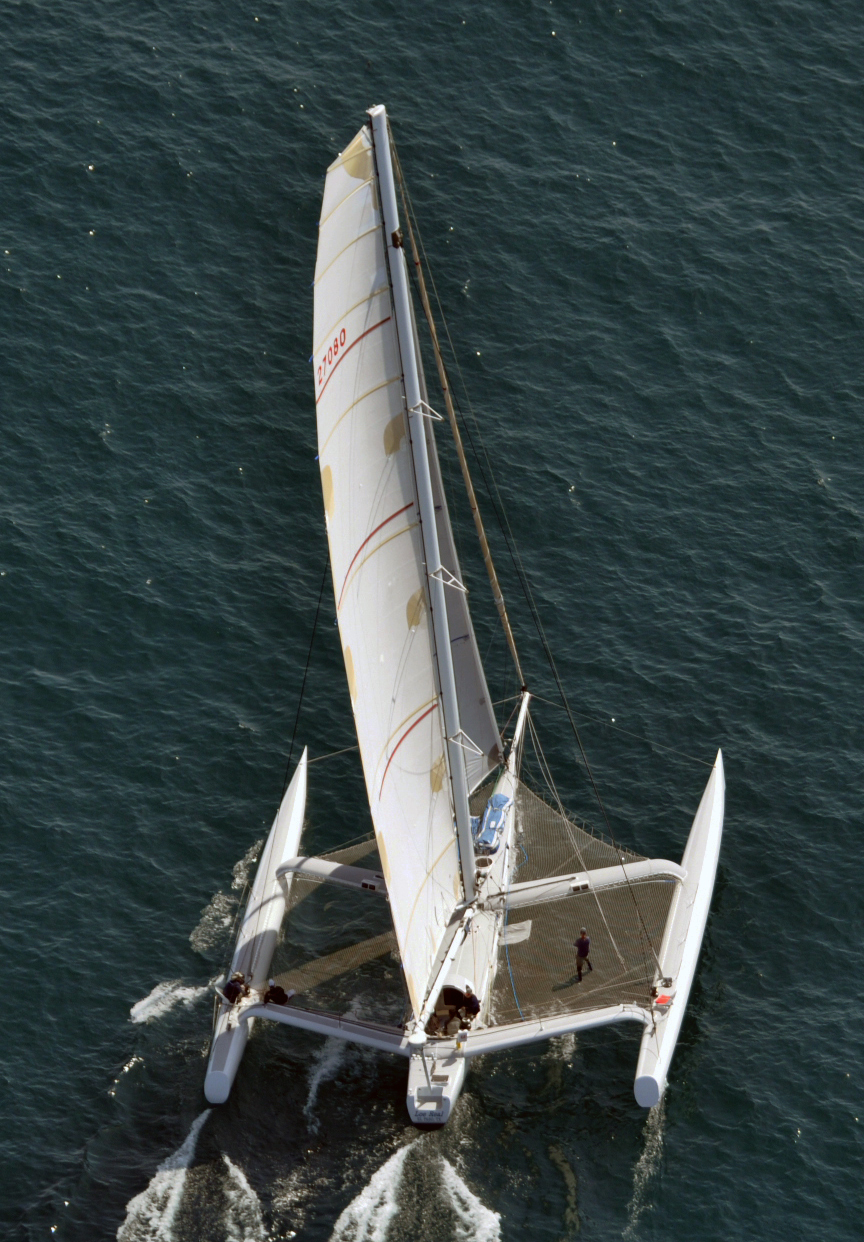
Cast and characters
The principal cast includes Kevin Costner as the Mariner and several supporting actors who portray both allies and foes encountered at sea. Notable performances feature a young actress in the role of a girl carrying a map to dry land and several antagonists who pursue the map for their own ends. For biographical and career notes on the star see Kevin Costner profile. Production credits and further crew information can be consulted via technical credits.
Production and challenges
Waterworld is widely remembered for its difficult and expensive production. Filming on open water required specially constructed floating sets and presented logistical hurdles; weather and storms damaged sets and schedule setbacks increased costs. At the time of release the production was reported as one of the most expensive ever undertaken, with a budget often cited around $175 million. Details about the shoot and design can be found at production notes.
Release, box office and reception
The film premiered in the United States on July 28, 1995. Domestic box office receipts were modest relative to the large budget, but the picture performed better overseas and through subsequent home‑video and television sales. While initial reviews were mixed—criticism often targeted the film's cost and some narrative elements—many reviewers and viewers praised its visual design, stunts, and ambitious worldbuilding. For box office summaries and marketplace analysis see financial overview and international receipts.
Legacy and cultural impact
Over time Waterworld has been reassessed by some critics and gained a place in popular culture as an example of large‑scale filmmaking with both spectacular setpieces and real production risk. It inspired licensed merchandise, home‑video releases, and a long‑running live stunt show at theme parks that adapted the film's stunt elements. The movie is frequently cited in discussions about the economics of blockbusters and practical effects filmmaking.
Notable facts
- Set in a world flooded by polar melt, the film emphasizes maritime survival and scavenging.
- Production required custom floating sets and extensive stunt coordination.
- The title is often referenced when studios weigh the cost and risk of ambitious tentpole pictures.
Questions and answers
Q: What is Waterworld?
A: Waterworld is a 1995 American science fiction action movie.
Q: Who starred in Waterworld?
A: Kevin Costner starred in Waterworld.
Q: Did Kevin Costner also produce the movie?
A: Yes, Kevin Costner also produced Waterworld.
Q: When was Waterworld released in the United States?
A: Waterworld was released in the United States on July 28, 1995.
Q: Was Waterworld expensive to make?
A: Yes, problems during the making of the movie caused it to cost much more than expected. It was the most expensive movie ever made at the time with a budget of $175 million.
Q: Did Waterworld make a profit?
A: Although the movie earned $88 million at U.S. theaters, it was successful in other countries and made more than a $100 million profit.
Q: Is Waterworld a successful movie?
A: Waterworld had a mixed success. It was not very successful in the United States but made a large profit globally.
Related articles
Author
AlegsaOnline.com Waterworld (1995 film) Leandro Alegsa
URL: https://en.alegsaonline.com/art/106870