
Watch Tower Bible and Tract Society of Pennsylvania
Corporate organization historically used by Jehovah's Witnesses to publish literature, administer property and coordinate activities; founded in the 19th century and shaped by successive leadership changes.
Overview
The Watch Tower Bible and Tract Society of Pennsylvania is the principal corporate entity historically associated with Jehovah's Witnesses. Established in the late 19th century to manage printing and distribution of religious literature, it has served as a legal and organizational center for publishing, property ownership, and administrative tasks connected with the movement. The Society is widely referred to simply as "the Society" by members and appears in legal, financial, and organizational records as the body that holds copyrights and titles used by congregations worldwide. For background on the religion it serves, see Jehovah's Witnesses.
Image gallery
6 Images



Organization and functions
Functioning as a nonprofit religious corporation, the Society has performed several roles: producing and distributing books, magazines and tracts; holding real estate and meeting facilities; coordinating translation and printing operations; and handling legal matters on behalf of the movement. Its corporate structure has historically included a board of directors and officers who manage corporate affairs, while doctrinal and pastoral guidance has increasingly been provided by the group's internal leadership bodies.
- Publishing: The Society oversees the production of periodicals and books used in public ministry and congregation study.
- Property and administration: It holds titles to meeting places and other properties and manages logistics for large assemblies.
- Legal and financial: As a corporate entity it represents the movement in legal matters and in dealings with governments.
History and development
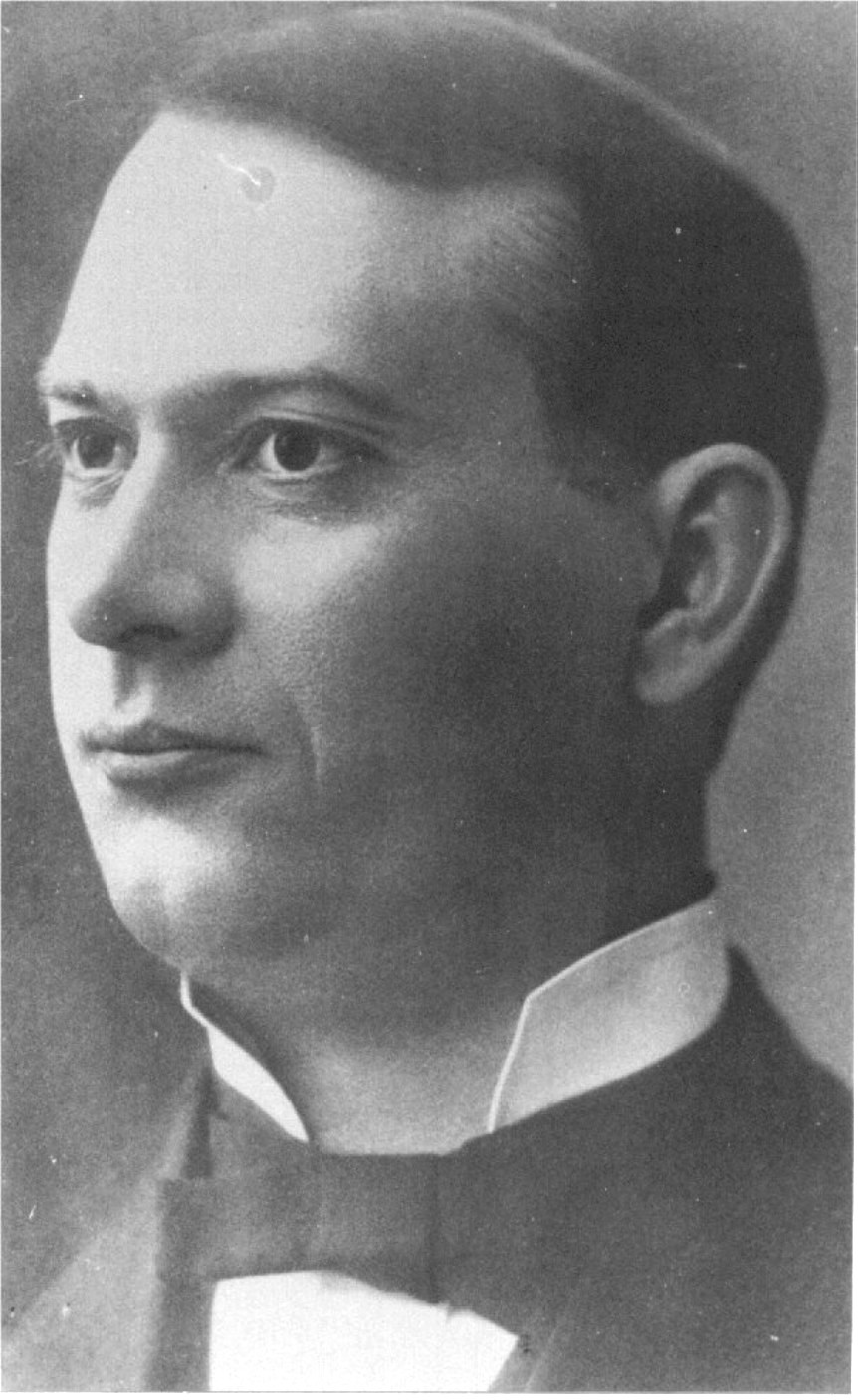
The organization traces its origin to a preaching effort led by Charles Taze Russell in 1881, which began as a vehicle for printing and distributing religious pamphlets. Early names included Zion's Watch Tower Tract Society and, later, Watch Tower Bible and Tract Society. After Russell's death in 1916, a period of internal conflict occurred between directors and his successor, Joseph Franklin Rutherford. That dispute led some followers to leave and form separate groups, while others remained with the Society.
Through the early and mid-20th century the organization consolidated its publishing work and international coordination. In 1931 the movement's adherents adopted the name "Jehovah's Witnesses" for themselves, and the corporate entity continued to evolve. In the mid-20th century the corporate name was adjusted to reflect its incorporation in Pennsylvania. More recently, administrative arrangements have changed: decision-making and doctrinal oversight have become closely associated with the movement's Governing Body, and the organization's legal headquarters moved from its long-standing Brooklyn site to other locations as part of broader organizational reorganization and property changes. For historical context on the headquarters, see Brooklyn and related background.
Publications and activities
A central activity of the Society has been the production of literature used in worship and public outreach, including magazines, study guides and books. These publications are translated into many languages and distributed worldwide. The Society also organizes volunteers for translation work, oversees printing facilities, and supports international conventions and training events. Its publications and educational materials are a primary means by which the movement teaches doctrine and coordinates worldwide teaching campaigns.
Distinctive features and notable points
The Watch Tower Society is distinctive as both a religious publisher and a holding corporation that manages property and legal affairs for a global lay-led movement. Corporate bylaws and governance have varied over time; historically, membership of the board and corporate officers was restricted to active male members described in internal guidelines as mature and faithful, and the position of the Governing Body grew to have authoritative influence over doctrine and organizational direction beginning in the latter half of the 20th century. The Society's role in copyright, property ownership and international coordination has also made it a focal point in legal and public discussions about religious organization, tax status and governance. For further institutional or legal details consult sources related to the United States and legal filings at official records.
Further reading
The Society's history and functions are intertwined with the development of Jehovah's Witnesses as a worldwide religious movement. Readers interested in publications, congregational practice, or historical disputes may follow links to general background materials and institutional documents for more detailed study. See also organizational summaries and timelines for an overview of major events and structural changes.
Questions and answers
Q: What is the main legal body used by Jehovah's Witnesses to organize their religion and decide on their official list of beliefs?
A: The main legal body used by Jehovah's Witnesses for these purposes is the Watch Tower Bible and Tract Society of Pennsylvania.
Q: What is the Society often referred to as by members of Jehovah's Witnesses?
A: Members of Jehovah's Witnesses often refer to the Society simply as "the Society".
Q: Where is the headquarters of the Watch Tower Bible and Tract Society of Pennsylvania located?
A: The headquarters of the Watch Tower Bible and Tract Society of Pennsylvania are located in Brooklyn, New York in the United States.
Q: How many members does the Society's rules allow?
A: The Society's rules allow only between 300 and 500 members.
Q: Who is allowed to be a member of the Society according to its rules?
A: According to the Society's rules, all members must be "mature, active, and faithful" male Jehovah's Witnesses.
Q: Who started the organization that would later become the Watch Tower Bible and Tract Society of Pennsylvania?
A: The organization that would later become the Watch Tower Bible and Tract Society of Pennsylvania was started by a preacher named Charles Taze Russell in 1881 as Zion's Watch Tower Tract Society.
Q: What was the name of the man who took over after Charles Taze Russell's death, and what major changes took place under his leadership?
A: The man who took over after Charles Taze Russell's death was Joseph Franklin Rutherford. During his leadership, there was a bitter fight for control of the organization, and many of Russell's followers left to start other religious groups. Rutherford remained as president and in 1931, the Bible Student groups changed their name to Jehovah's Witnesses. From 1976, the Governing Body of Jehovah's Witnesses began to control all the decisions and the work of the Watch Tower Society.
Related articles
Author
AlegsaOnline.com Watch Tower Bible and Tract Society of Pennsylvania Leandro Alegsa
URL: https://en.alegsaonline.com/art/106769
Sources
- corporations.state.pa.us : Pennsylvania Department of State.
- mostholyfaith.com : Reprints page 2077 Retrieved 2010-03-30
- heraldmag.org : A Great Battle in the Ecclesiastical Heavens,
- ia310828.us.archive.org : C.T. Russell, "A Conspiracy Exposed", Zion's Watch Tower Extra edition, April 25, 1894, page 55-60.
- mostholyfaith.com : Zion's Watch Tower, October 1894, page 330.
- strictlygenteel.co.uk : The Finished Mystery
- nydailynews.com : "Jehovahs loses comp case: Church may be forced to pay millions", New York Daily News, January 6, 2006.
- maykuth.com : "A sect grows in Brooklyn", Philadelphia Inquirer, August 2, 1990.