
Warren Hastings: first Governor‑General of British India and his contested legacy
Warren Hastings (1732–1818) was the first Governor‑General of India (1773–1785). This article outlines his career in the East India Company, administrative reforms, impeachment, and complex legacy.
Warren Hastings (7 December 1732 – 22 August 1818) was a leading administrator of the British East India Company who became the first Governor‑General of India. His two decades in India saw the Company move from a trading concern toward territorial rule. Hastings combined commercial aims with political administration, introducing reforms and practices that shaped later British governance in South Asia. His career ended in controversy after a prolonged impeachment trial in Britain.
Image gallery
8 Images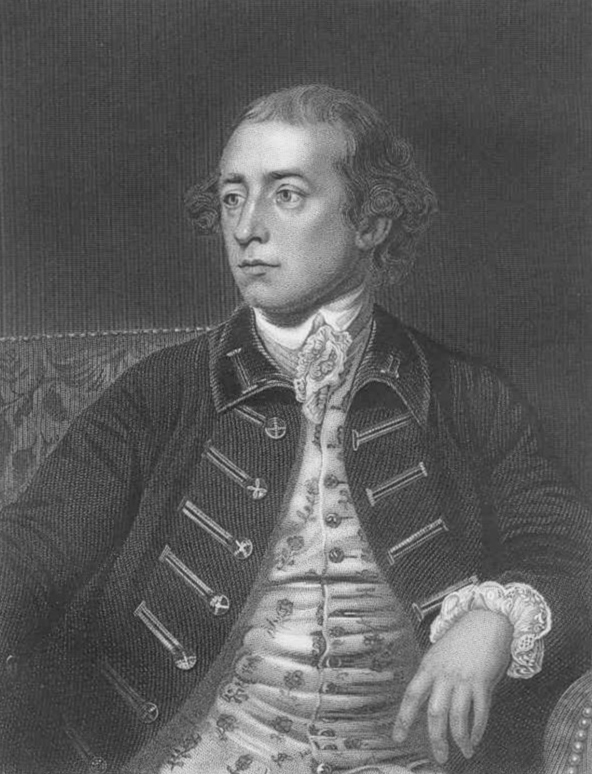
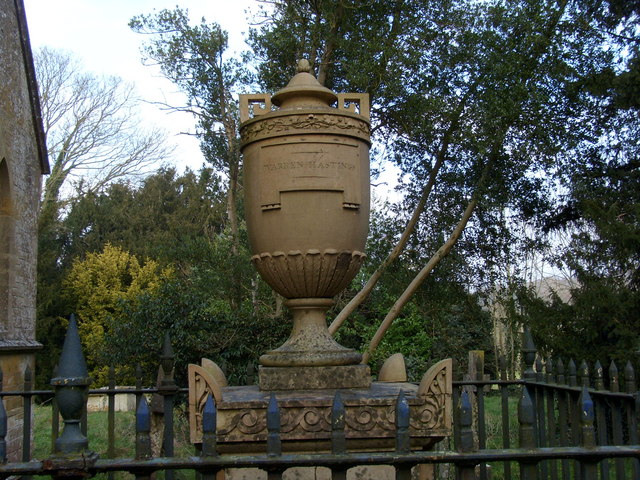


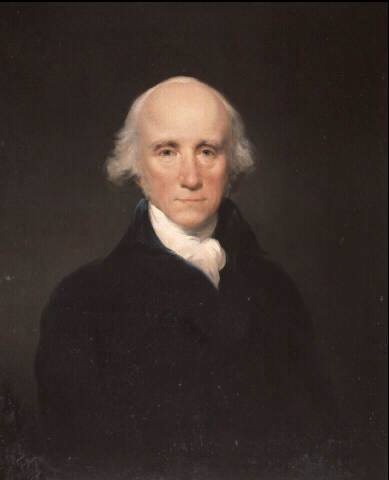
Early life and entry to India
Hastings was born in Churchill, Oxfordshire, and educated at Westminster School before joining the East India Company as a clerk in 1750. He rose through the Company's service, holding posts such as Resident at Murshidabad and membership of the Calcutta and Madras councils. In the early 1770s he became governor of Bengal, and in 1773 the new Regulating Act made him the first Governor‑General, charged with coordinating the Company's territories and officials.
Governance, policies and administration
Hastings presided over a period of expansion as the Company consolidated influence through diplomacy, military action and alliances with Indian states. He supported administrative measures intended to regularize revenue collection, judicial practice and civil administration, while attempting to separate commercial activity from political responsibilities. His approach combined respect for existing local laws with efforts to install permanent Company institutions.
- Reform and centralization: he worked to strengthen the Calcutta council and establish clearer lines of authority within Company territories.
- Legal and cultural interaction: Hastings promoted translation and study of Indian laws and customs to administer justice more effectively.
- Expansion of influence: his decisions helped extend British control in regions where political power was fragmented after Mughal decline, following patterns begun under figures such as Robert Clive.
Impeachment, trial and return to Britain
After resigning his post in the mid‑1780s, Hastings returned to Britain and was accused by critics, led in Parliament by Edmund Burke, of corruption, misgovernment and misuse of power. The charges were heightened by personal enmities, including conflicts with colleagues such as Sir Philip Francis—an opponent who had earlier fought a duel with Hastings in India in which Francis was wounded (duel). The resulting impeachment and public trial stretched over several years and became a notable episode in debates about imperial oversight, legal accountability and the moral responsibilities of imperial officials. Hastings was ultimately acquitted.
Legacy and significance
Assessments of Hastings remain mixed. Supporters praised his administrative skill, his role in creating functioning institutions, and his patronage of scholars; critics emphasized alleged abuses of power and the costs of expansion for local populations. His tenure marked a turning point in the East India Company’s transition from commercial enterprise to territorial ruler and helped define the legal and political framework within which later British administrations operated.
Notable facts
- He served as the first Governor‑General under the Regulating Act and helped shape the office.
- His impeachment trial became a major public spectacle in Britain and touched on wider questions about empire and governance.
- Hastings retained both admirers and detractors: institutions such as the Edinburgh East India Club publicly celebrated him even after controversy (Edinburgh club celebration).
Today Hastings is studied as a formative figure in the history of British India: a pragmatic administrator whose career illustrates the political, legal and ethical dilemmas of early European imperial rule.
Questions and answers
Q: Who was Warren Hastings?
A: Warren Hastings was the first Governor-General of India, from 1773 to 1785.
Q: Where was Warren Hastings born?
A: Warren Hastings was born in Churchill, Oxfordshire.
Q: What was Warren Hastings' role at the British East India Company?
A: Warren Hastings joined the British East India Company in 1750 as a clerk.
Q: What did Warren Hastings do when he returned to India in 1769?
A: Warren Hastings returned to India in 1769 as a part of the Madras council and was made governor of Bengal in 1772.
Q: How long did Warren Hastings serve as Governor-General of India?
A: Warren Hastings served as Governor-General of India for ten years, from 1773 to 1785.
Q: What happened to Warren Hastings when he returned to England?
A: When Warren Hastings returned to England, he was charged with corruption by Edmund Burke.
Q: Was Warren Hastings found guilty of the charges against him?
A: No, Warren Hastings was acquitted after a seven-year trial.
Related articles
Author
AlegsaOnline.com Warren Hastings: first Governor‑General of British India and his contested legacy Leandro Alegsa
URL: https://en.alegsaonline.com/art/106596