
Wapping — riverside district in Tower Hamlets, East London
Wapping is a historic riverside district in East London, known for its maritime heritage, 18th–19th century docks, the Prospect of Whitby pub, and the founding of England's first marine police in 1798.
Overview
Wapping is a neighbourhood on the north bank of the Thames in East London, within the London borough of Tower Hamlets. It forms part of greater London in the United Kingdom and sits directly alongside the River Thames — the longest river in England. Historically a working riverside quarter, Wapping retains a visible maritime character that shapes its streets, buildings and local identity.
Image gallery
10 Images


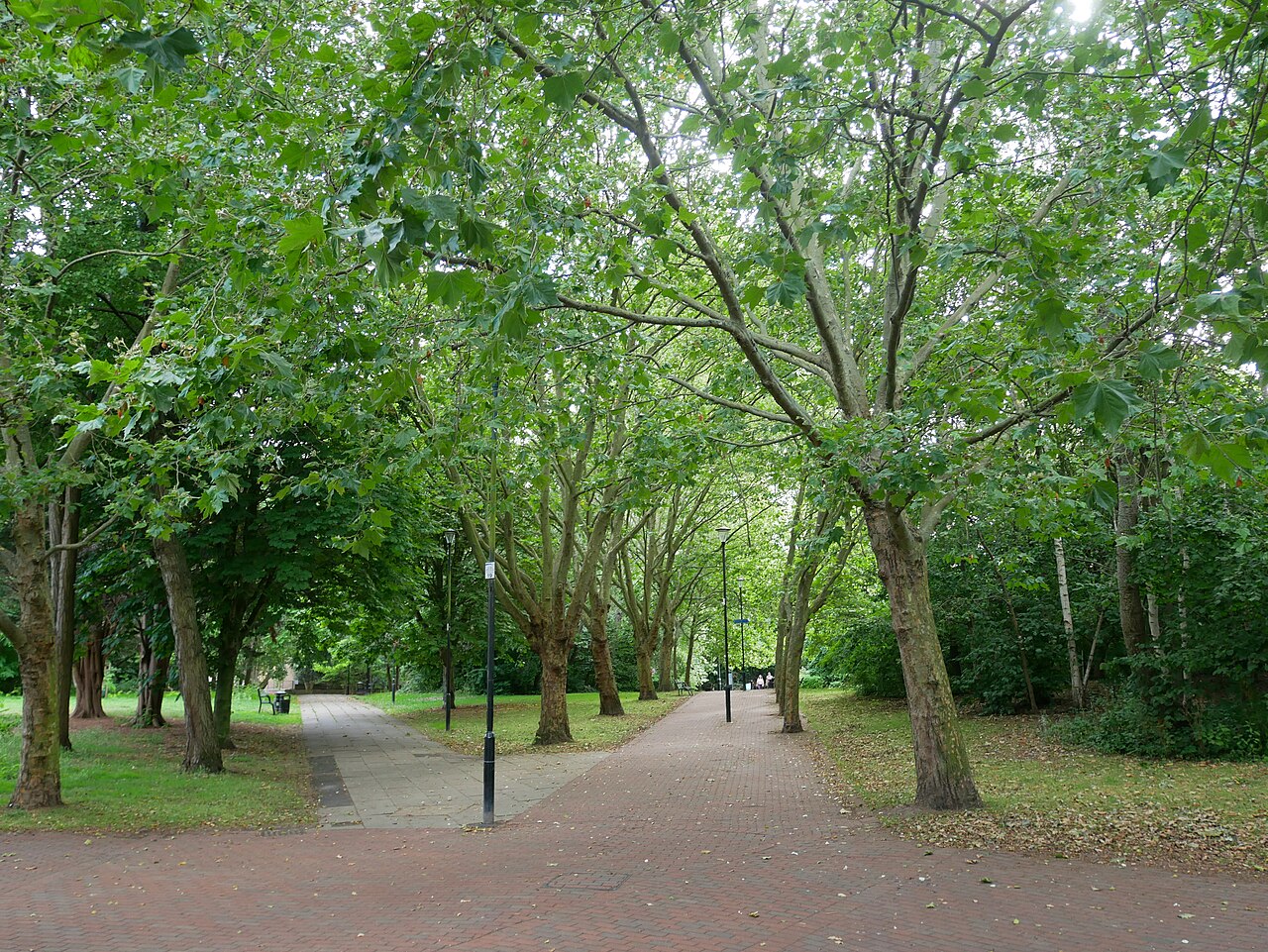
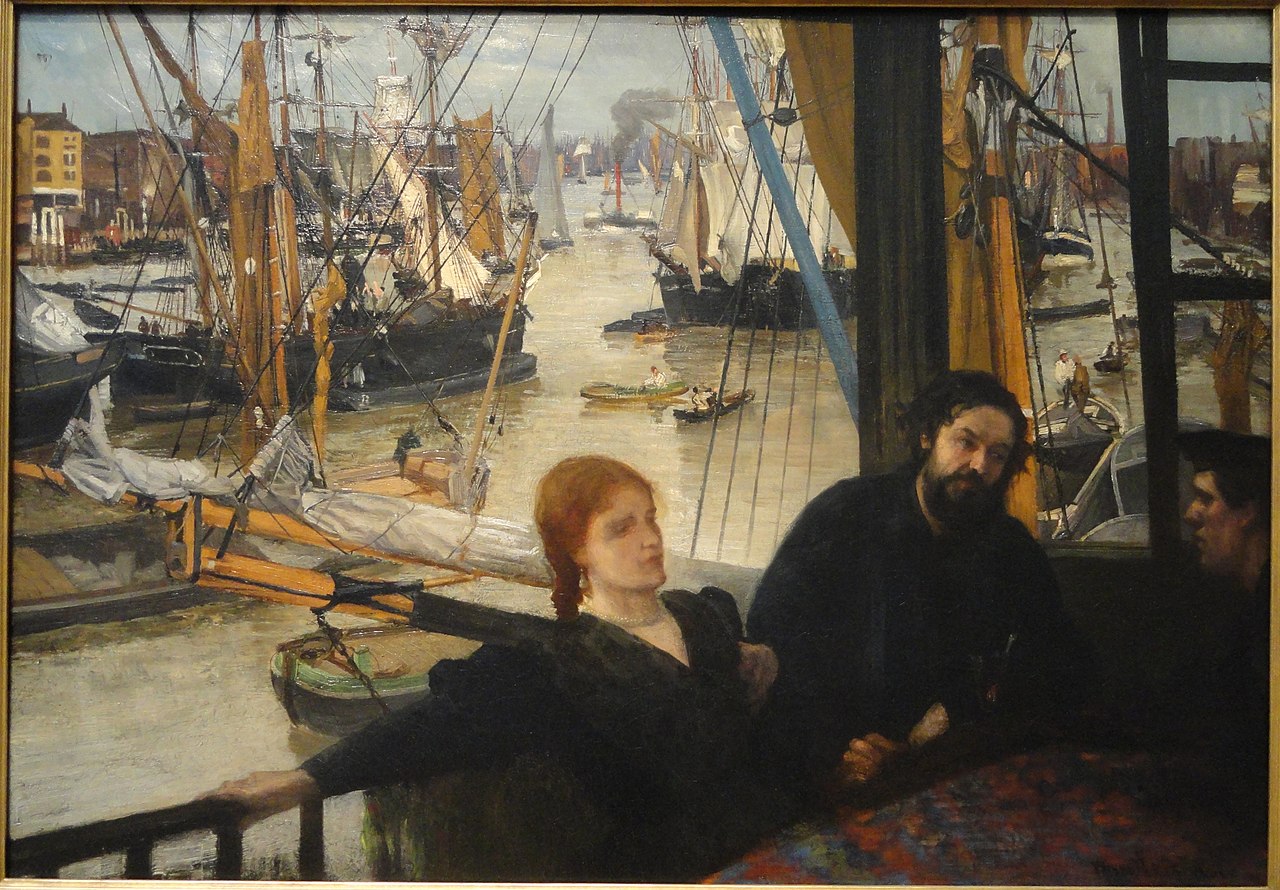
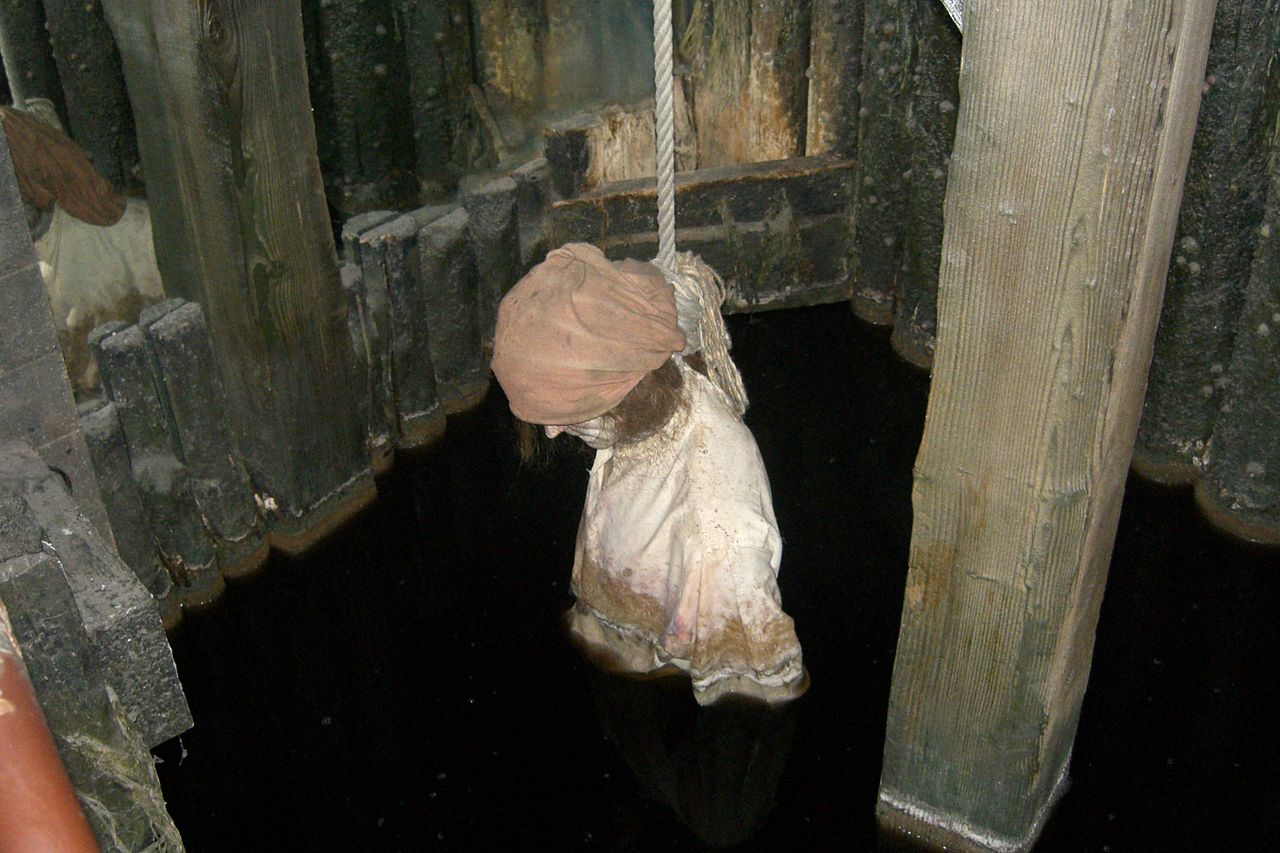


Characteristics and landscape
The area is defined by former dockside warehouses, narrow lanes, and wharves that ran down to the river. Many older industrial buildings have been converted into residential apartments, offices and cultural venues while some stretches of riverwall still show cleats, mooring rings and gangways. The riverside location gave Wapping a practical role for shipping, ship repair and goods handling for much of the 18th and 19th centuries.
History and origins
Wapping's name appears to date back to the early medieval period and has traditionally been linked to a Saxon personal name; local accounts suggest the settlement may have been named after a leader called Waeppa and therefore associated with the Saxons. From the 17th century onwards the area grew as part of London's expanding maritime economy, with warehouses, ropewalks and small shipyards lining the riverbank. In 1798 the first organised marine police force in England was established here to combat theft and protect commerce on the river — an early example of a civilian constabulary dedicated to maritime policing.
War, decline and rebirth
Wapping, like many London dock areas, suffered heavily in the 20th century from changes in shipping and wartime damage. Between 7 October 1940 and 6 June 1941 the district (including the adjacent St Katharine's docks) was the target of sustained bombing: reports record 163 bombs falling in the immediate locality during that period of the World War II Blitz. After the Second World War and the later decline of the docks, large-scale redevelopment in the late 20th century transformed many wharves into housing while preserving fragments of the maritime streetscape.
Landmarks, institutions and community
Wapping has a number of distinct landmarks and community facilities. The Prospect of Whitby, one of London's oldest riverside public houses, remains a popular historic attraction that evokes the neighbourhood's seafaring past. Other reminders of maritime law and practice include the historic site known as Execution Dock, once used for the execution of condemned sailors. Contemporary life in Wapping combines riverside residences, small shops, cafes and schools; local education provision includes primary schools such as St. Peter's London Docks and Hermitage.
Notable facts and distinctions
- Wapping played a central role in river trade and the provisioning of ships serving the Port of London.
- The establishment of the marine police in 1798 is often cited as a formative moment in policing organised around maritime commerce.
- Post-war redevelopment preserved many former docksides while adapting them for residential and leisure use, creating a mix of heritage and modern living.
Today Wapping is valued for its waterside setting, historic character and proximity to central London. Visitors and residents can trace visible layers of maritime history in street patterns, old warehouses and public houses, while contemporary community life continues around local schools, riverside walks and small-scale commerce.
Questions and answers
Q: Where is Wapping located?
A: Wapping is located in East London in the borough of Tower Hamlets in the United Kingdom.
Q: What river does Wapping sit beside?
A: Wapping sits beside the River Thames, which is the longest river in England.
Q: How was Wapping named?
A: Wapping was probably named by the Saxons who lived there, and their leader was named Waeppa.
Q: When was England's first marine police force created and where?
A: England's first marine police force was created in 1798 in Wapping.
Q: How many bombs were dropped in Wapping during World War II?
A: There were 163 bombs dropped in Wapping (including St Katherine's docks) during World War II, from October 7, 1940 to June 6, 1941.
Q: What is the name of the famous landmark in Wapping?
A: The famous landmark in Wapping is called the Prospect of Whitby, which is a very famous pub.
Q: How many primary schools are there in Wapping and what are their names?
A: There are two primary schools in Wapping. They are St. Peter's London Docks primary school and Hermitage primary school.
Related articles
Author
AlegsaOnline.com Wapping — riverside district in Tower Hamlets, East London Leandro Alegsa
URL: https://en.alegsaonline.com/art/106477
Sources
- eastlondonhistory.co.uk : "Visit Wapping in Historic East London"
- thamespolicemuseum.org.uk : "Thames Police: The Museum"
- commons.wikimedia.org : Wapping