
Sir Walter Raleigh: Elizabethan courtier, explorer, writer and soldier
English aristocrat (c.1554–1618) known as a favourite of Elizabeth I, sponsor of voyages and colonies, writer of travel narratives and history, promoter of tobacco, imprisoned and executed after a failed Guiana expedition.
Overview
Sir Walter Raleigh (c.1554–29 October 1618) was an English aristocrat, courtier, soldier, explorer, poet and writer. A prominent figure of the late Tudor and early Stuart periods, he combined court influence and literary activity with maritime ventures and privateering. He became widely known for promoting English exploration and colonization, for accounts of voyages to the Americas that helped inflame popular imagination about riches in the New World, and for works of prose and poetry produced during periods of favour and long imprisonments.
Image gallery
10 Images


Early life and family
Raleigh was born into a Protestant gentry family in East Budleigh, Devon. His parents were Walter Raleigh and Catherine Champernowne. He rose from regional gentry to national prominence through military service, patronage, and skill at court. He married Elizabeth Throckmorton, a lady of the queen's household, and they had sons often named in contemporary records, including Damerei, Walter and Carew. His private life, like his public career, became entangled with royal favour and court politics.
Court career and military service
At the Elizabethan court Raleigh became a favourite of Queen Elizabeth I and received knighthood and offices that brought both status and opportunities for privateering against Spanish interests. His role combined intelligence work, military command and the administration of estates, including lands in Ireland granted during English plantations. His position at court helped him recruit men and raise funds for colonial schemes and maritime expeditions. For background on his court role see courtier records and regional biographical material at Devon sources.
Exploration, colonization and the Americas
Raleigh is closely associated with early English attempts to establish a presence in North America. He sponsored voyages to the eastern seaboard that are linked to the Roanoke ventures and the wider efforts that produced the name Virginia for the English claims. He also led and promoted voyages to South America, particularly the Guiana region, motivated by reports of wealthy indigenous cities described in contemporary European accounts. His published narrative of a Guiana voyage popularized the notion of a "city of gold" and helped spread the El Dorado legend in England and on the Continent; readers can consult a summary of these explorations at South American exploration, coastal surveys at North American exploration, and regional accounts of the southeastern Atlantic coast at Florida region accounts.
Writings and cultural influence
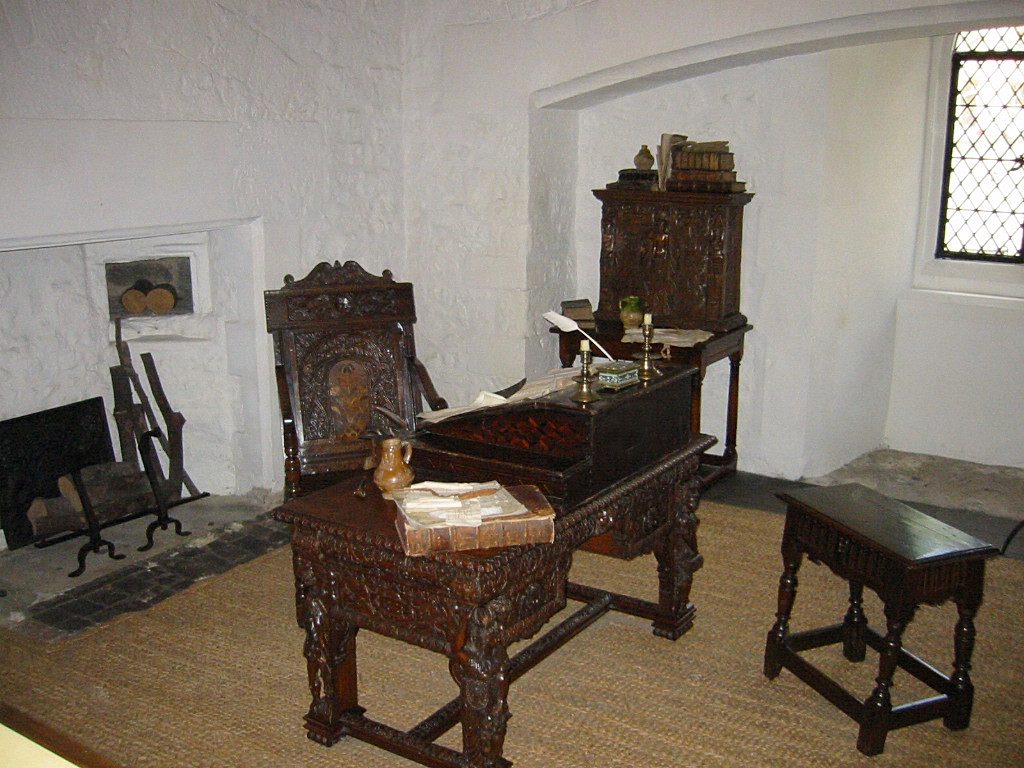
Raleigh wrote poetry and prose and circulated works in manuscript as well as print. While imprisoned he compiled larger historical and moral works; his major prose project, The History of the World, was written in the Tower of London and published after his death. He also published travel narratives that blended observation, promotion and imaginative description; one of these accounts contributed to contemporary fascination with El Dorado and is discussed in cultural studies of the period at El Dorado and its legacy. He is popularly associated with introducing or popularizing tobacco at the English court, a detail that became part of his public image and later lore.
Imprisonment, release and final expedition
After the death of Elizabeth I, Raleigh fell from favour under James I and spent many years in the Tower of London on suspicion of involvement in political plots and intrigues. In 1616 he was temporarily released to lead a crown-sponsored expedition to Guiana in the hope of recovering wealth that might settle his legal standing. The voyage failed to bring the expected riches and included an attack on a Spanish outpost, an action that provoked diplomatic protest from Spain. As international and domestic pressure mounted, English authorities reexamined his earlier conviction and ultimately ordered his execution in 1618; diplomatic correspondence and trial materials are discussed in collections identified at diplomatic records.
Legacy
- Raleigh epitomises the mixture of courtly ambition, privateering, exploration and literary endeavour that marked the late Tudor age.
- His patronage and promotional writing helped sustain English interest in overseas colonies that later became permanent settlements.
- Writings produced in captivity—poems, essays and a large historical work—contributed to his posthumous reputation as a man of letters.
- The stories that attach him to tobacco and to the El Dorado myth show how personal enterprise, public relations and imaginative writing shaped early modern views of the Atlantic world.
For fuller study consult specialized biographies and editions of his works, which discuss both his achievements and the controversies of his career. His life remains a subject of interest to historians of exploration, literature and the Elizabethan court.
Questions and answers
Q: Who was Sir Walter Raleigh?
A: Sir Walter Raleigh was an English aristocrat, writer, poet, soldier, spy, and explorer.
Q: What did Raleigh help make popular in England?
A: Raleigh helped make tobacco popular in England, especially among people in the royal court.
Q: Where was Raleigh born?
A: Raleigh was born in East Budleigh, in Devon, to a Protestant family.
Q: Who was Raleigh's wife?
A: Raleigh was married to a woman called Elizabeth Throckmorten.
Q: What did Raleigh explore in North America?
A: Raleigh explored North Carolina all the way down to Florida.
Q: Why was Raleigh put in prison after Queen Elizabeth's death?
A: Raleigh was put in prison because he was accused of trying to overthrow King James I, who did not like Raleigh.
Q: How did Raleigh die?
A: Raleigh was executed by beheading (decapitation) on 29 October 1618 after being arrested for his men attacking a Spanish outpost.
Related articles
Author
AlegsaOnline.com Sir Walter Raleigh: Elizabethan courtier, explorer, writer and soldier Leandro Alegsa
URL: https://en.alegsaonline.com/art/106385
Sources
- nndb.com : "Sir Walter Raleigh"
- bbc.co.uk : "BBC - History - Historic Figures: Walter Raleigh (c.1552 - 1618)"
- biography.com : biography.com/history-culture/walter-raleigh