
Walpurgis Night — spring bonfires, folklore and regional traditions
Walpurgis Night is a spring festival observed on April 30 or May 1 in parts of Northern and Central Europe, combining folk customs, bonfires and later Christian elements tied to Saint Walpurga.
Walpurgis Night is an annual spring observance celebrated in several European countries on the night of April 30 (April 30) or into May 1 (May Day). Its name appears in many local forms: Valborgsmässoafton in Sweden, Vappu in Finland, Volbriöö in Estonia, Valpurģu nakts in Latvia and Walpurgisnacht in German-speaking areas. In parts of Bohemia the evening is known as "Čarodějnice" and is marked by distinctive local customs.
Image gallery
10 Images


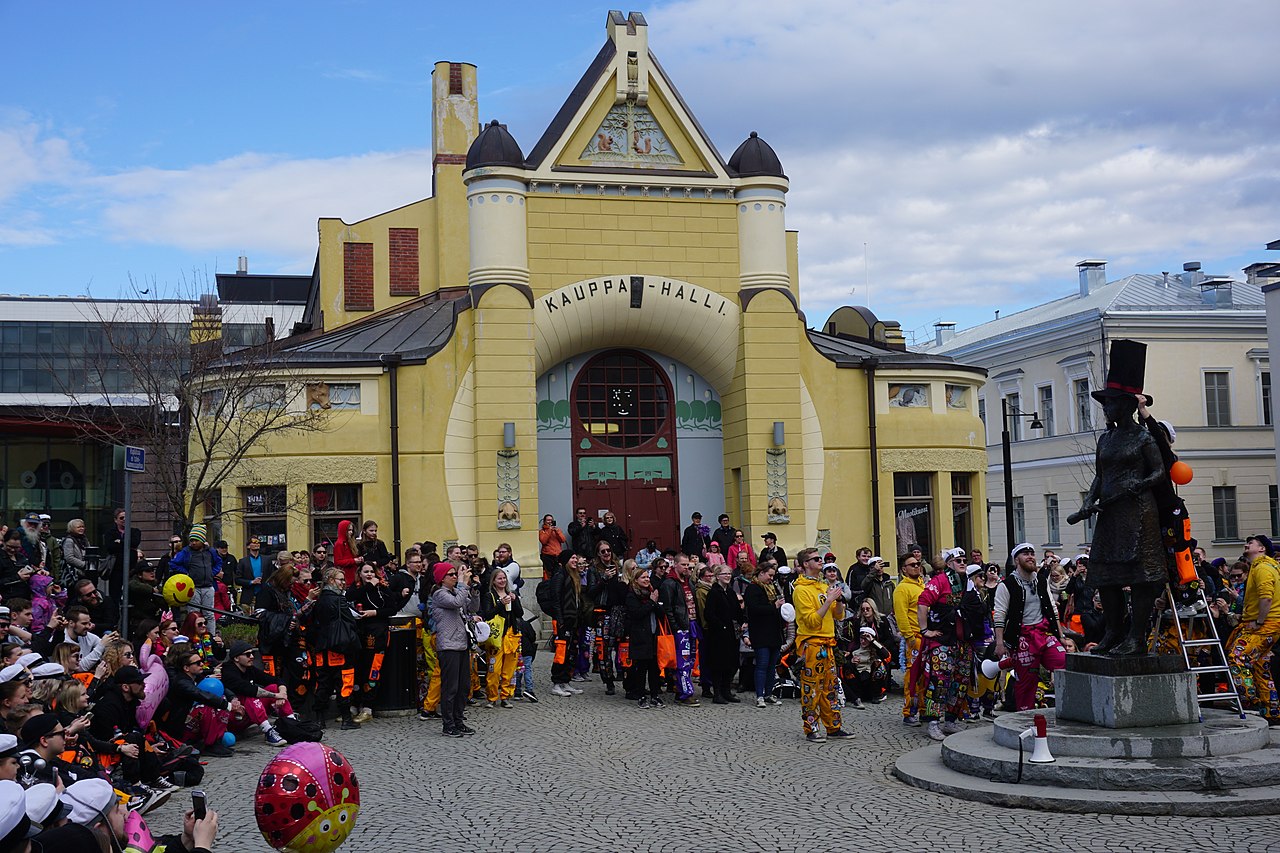


Origins and historical background
The festival blends older spring rites that welcomed warmer weather with later Christian associations. The Christian name refers to Saint Walpurga, an English missionary traditionally venerated in a monastery on the continent; her feast day falls around this time and helped attach a saintly name to already-existing folk celebrations. Over centuries these layers of religion and folklore merged, producing regional variations that emphasize bonfires, symbolic cleansing and communal gatherings.
Typical customs
Common elements include lighting bonfires, burning effigies, singing, dancing and outdoor socializing. Bonfires were historically thought to ward off evil spirits and to mark the turning of the seasons; today they serve both symbolic and festive functions. Other recurring features are costumes, parades and communal meals. Examples of typical activities are listed below.
- Lighting large communal bonfires at dusk.
- Burning effigies or straw dolls that represent winter or witches.
- Student gatherings, picnics and public concerts (particularly in Nordic regions).
- Local parades, music and marketplaces that draw families and tourists.
Regional variations and names
Practices differ by country. In Finland and Sweden the event takes on a strong student and carnival atmosphere in many towns, with public parties and traditional food. In the Czech lands (Bohemia) Čarodějnice is often celebrated by burning a witch effigy on April 30. In the Baltic states, including Estonia and Latvia, similar night-time bonfires and folk observances occur under local names. In Germany Walpurgisnacht is associated in folklore with mountain gatherings and tales of witches, and some regions stage processions or theatrical events.
Although Walpurgis Night predates modern May Day labor traditions, in a few places it overlaps with May 1 festivities and spring fairs; it should not be confused with secular workers' demonstrations that also occur on May Day. Today the occasion functions as a mixture of folk ritual, local identity and public celebration: for some a moment of seasonal ritual, for others a night of music and community.
References in literature and popular culture — most famously in plays and poems that depict springtime revelry or supernatural gatherings — have reinforced the event's place in European cultural memory. Visitors planning to attend local celebrations should consult municipal event listings and respect municipal safety rules around bonfires and public festivities.
Questions and answers
Q: What is Walpurgis Night?
A: Walpurgis Night is a holiday celebrated on April 30 or May 1 in Finland, Sweden, Bohemia (Czech Republic), Estonia, Latvia and Germany.
Q: What are the different names for Walpurgis Night?
A: In Swedish it is called Valborgsmässoafton, in Finnish Vappu, in Estonian Volbriöö, in Latvian Valpurģu nakts or Valpurģi and in German Walpurgisnacht. It is also known as Čarodějnice in Czech.
Q: When does Walpurgis Night take place?
A: Walpurgis Night takes place on April 30 or May 1.
Q: Where is the holiday celebrated?
A: The holiday is celebrated in Finland, Sweden, Bohemia (Czech Republic), Estonia, Latvia and Germany.
Q: What customs are associated with this celebration?
A: Customs associated with this celebration vary from country to country but typically involve bonfires and fireworks displays.
Q: Is there any religious significance to this day?
A: This day has been traditionally linked to pagan beliefs but today it has more of a secular meaning and no longer holds any religious significance.
Related articles
Author
AlegsaOnline.com Walpurgis Night — spring bonfires, folklore and regional traditions Leandro Alegsa
URL: https://en.alegsaonline.com/art/106326