
Wales Coast Path — continuous footpath around the Welsh coastline
An 870-mile continuous long-distance trail encircling Wales, opened in 2012. It links coastal towns, nature reserves and historic sites, offering recreation, wildlife access and local economic benefits.
Overview
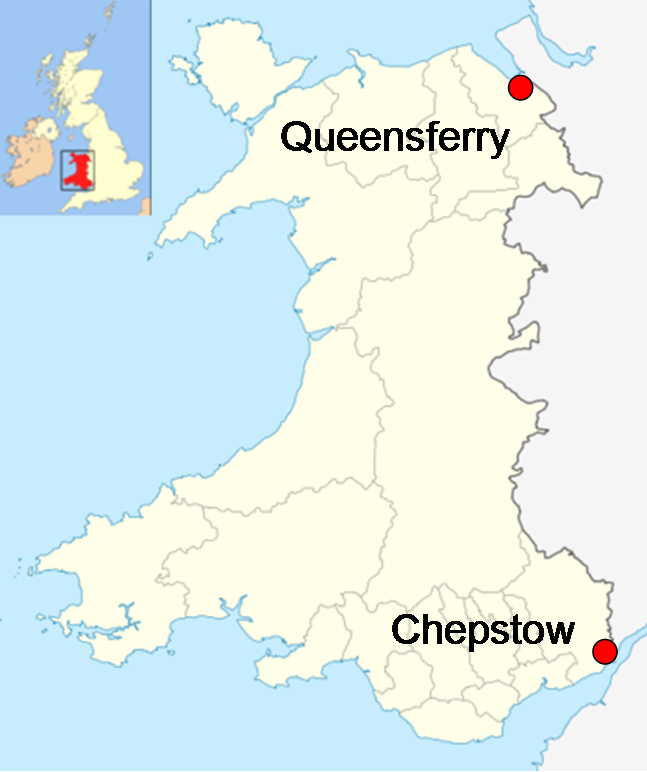
The Wales Coast Path is a waymarked long-distance walking route that follows the entirety of the Welsh coastline. Opened on 5 May 2012, it runs for about 870 miles (1,400 km) from Chepstow to Queensferry and connects beaches, cliffs, estuaries and seaside towns. In Welsh the route is known as Llwybr Arfordir Cymru. It is notable for being the first path to trace the whole coastline of a country end to end.
Image gallery
10 Images




Route and characteristics
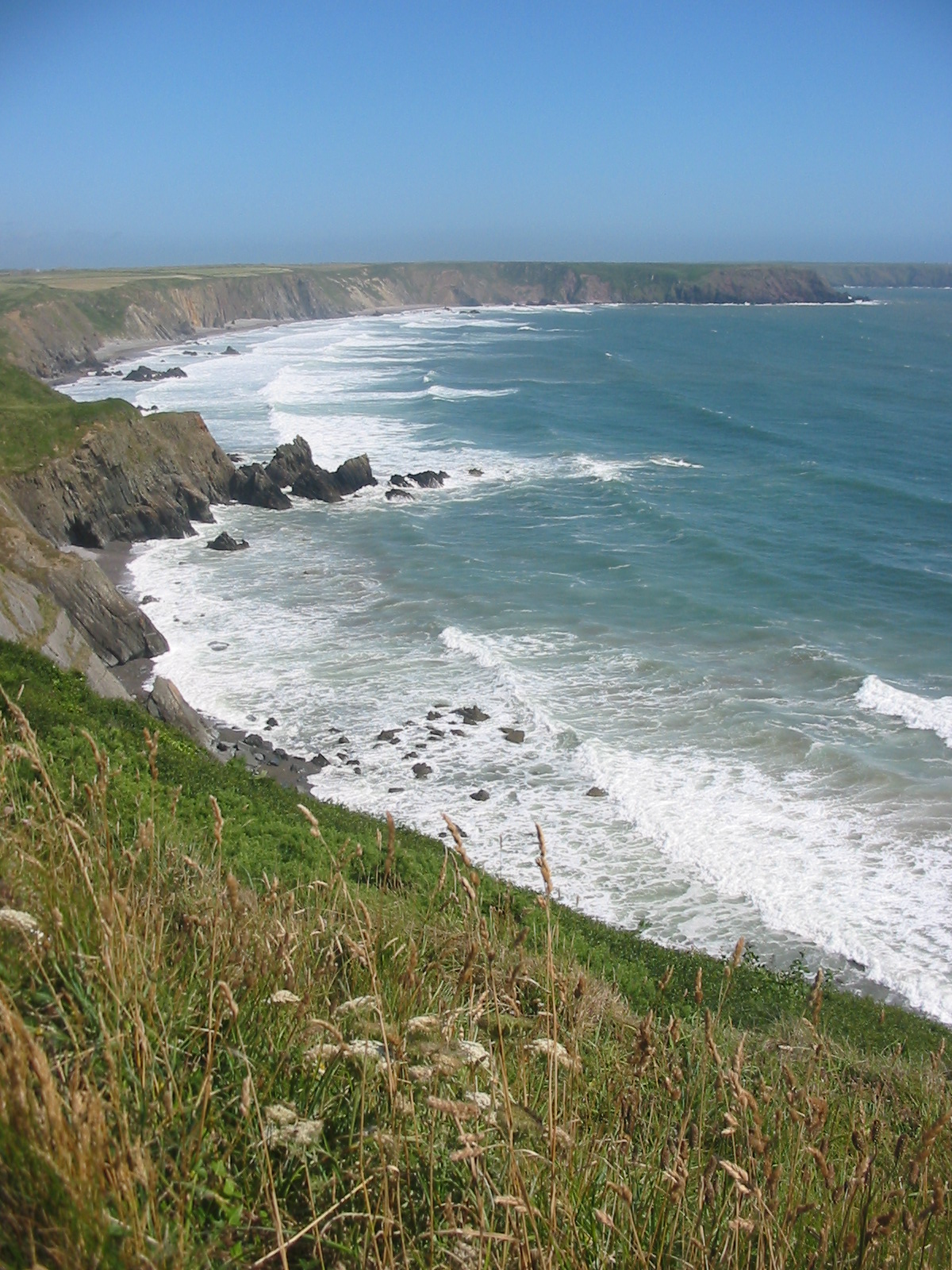
The path weaves through a mix of landscapes: sandy shores, rocky headlands, tidal flats and maritime cliffs. Walkers pass through national parks, designated nature reserves and urban promenades. The route is largely accessible on foot, though some sections use shared surfaces with cyclists or pass through private lands with permissive access. Waymarking and maps help guide visitors along continuous sections and across estuaries.
Key places and habitats
- Coastal towns and ports offering services and accommodation.
- Protected areas including eleven National Nature Reserves and many reserves managed by conservation organisations such as the RSPB and Wildlife Trusts.
- Scenic features from wide bays to rugged headlands and river estuaries.
History and development
The idea to link the entire Welsh coast built on existing public rights of way and new access agreements with landowners. The trail was the result of coordinated planning and investment by national and local bodies to provide continuous public access. Its formal opening in 2012 drew international attention and praise, with travel guides recognising the scenic and cultural value of Wales's coasts.
Uses, importance and benefits
The path serves multiple purposes: a recreational resource for long-distance walkers and day visitors; a corridor for wildlife appreciation and environmental education; and a driver of local tourism economies by encouraging longer stays in coastal communities. It also supports health and wellbeing by promoting walking and outdoor activity.
Practical notes and notable facts
Walkers should plan carefully for tides, weather and transport between sections. Some stretches are remote and require suitable footwear and provisions. The route highlights Wales’s coastal heritage, from fishing villages and historic ports to modern seaside resorts. For broader context about the country the path traverses see Wales. The Wales Coast Path remains a distinctive example of nation-scale coastal access and a model for integrated recreational planning.
Questions and answers
Q: What is the Wales Coast Path?
A: The Wales Coast Path is a long-distance footpath that follows the whole coastline of Wales.
Q: When did the Wales Coast Path open?
A: The Wales Coast Path opened on 5 May 2012.
Q: How long is the Wales Coast Path?
A: The Wales Coast Path is 870-mile (1,400 km) long, from Chepstow in the south to Queensferry in the north.
Q: What is significant about the Wales Coast Path?
A: Wales is the first country in the world to build a footpath along its entire coastline.
Q: What type of nature reserves does the Wales Coast Path go through?
A: The Path runs through eleven National Nature Reserves and other nature reserves, including those managed by The Wildlife Trusts or Royal Society for the Protection of Birds (RSPB).
Q: What rating did Lonely Planet give to the coast of Wales?
A: Lonely Planet rated the coast of Wales first in its Best in Travel: top 10 regions for 2012.
Q: What is the Welsh name for the Wales Coast Path?
A: The Welsh name for the Wales Coast Path is Llwybr Arfordir Cymru.
Related articles
Author
AlegsaOnline.com Wales Coast Path — continuous footpath around the Welsh coastline Leandro Alegsa
URL: https://en.alegsaonline.com/art/106231
Sources
- bbc.co.uk : "All-Wales coast path nears completion"
- first-nature.com : "Wales Coast Path: map, pictures, access guide"
- lonelyplanet.com : "Lonely Planet's Best in Travel: top 10 regions for 2012"
- bbc.co.uk : "Wales Coast Path officially opens with events in Cardiff, Aberystwyth and Flint"
- ordnancesurvey.co.uk : "Wales Coast Path set for a boost as entrepreneurs get to work"
- theguardian.com : "Wales coastal path offers a walk on the wild – and industrial – side"
- nationaltrail.co.uk : "Pembrokeshire Coast Path"
- walesonline.co.uk : "Pembrokeshire Coast Path walks off with accolade of being one of world's top trails"
- ccgc.gov.uk : Countryside Council for Wales: Wales Coast Path
- stgeorgeswales.co.uk : Wales Coast Path Media Pack
- walescoastpath.gov.uk : "History"
- wales.gov.uk : "Welsh Government; Countryside and coastal access"
- ldwa.org.uk : "Wales Coast Path - LDWA Long Distance Paths"
- news.bbc.co.uk : "All-Wales coastal path proposed"
- ramblers.org.uk : "Big Welsh Walk 2013 - Ramblers"