
W National Park (W Regional Park)
Transboundary protected area in West Africa around a W-shaped bend of the Niger River, spanning Niger, Benin and Burkina Faso; UNESCO World Heritage Site noted for wetlands and wildlife.
Overview
W National Park, often called the W Regional Park, is a large transboundary protected area in West Africa. The park takes its name from a distinctive W-shaped bend in the River Niger and protects a mosaic of riverine floodplains, savanna and woodland across roughly 10,000 km². The protected landscape lies at the meeting of three countries: Niger, Benin and Burkina Faso, and is managed as a single ecological unit despite international boundaries.
Image gallery
9 Images




Geography and habitats
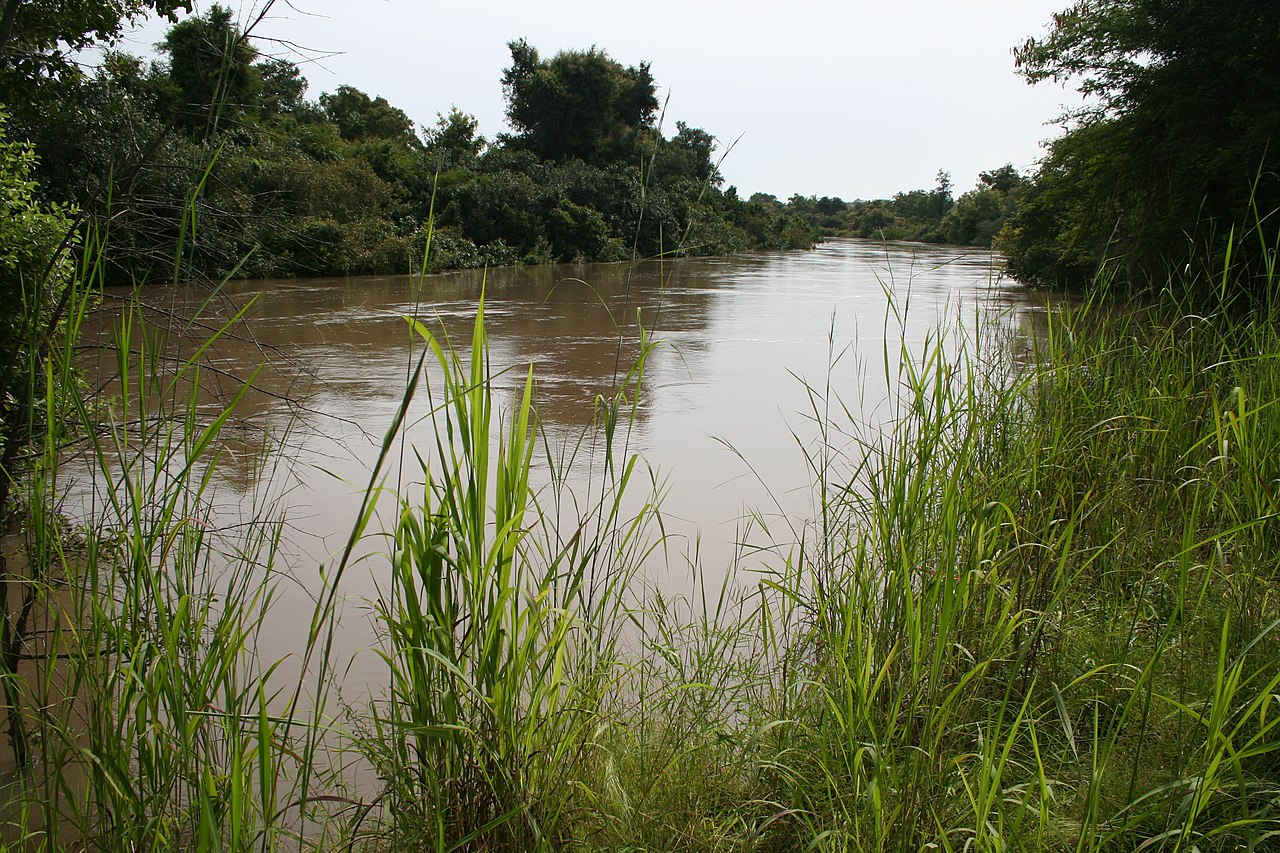
The park centers on a dramatic river meander whose seasonal floods create channels, islands and marshes that support diverse plant and animal communities. Habitat types include flooded grasslands, gallery forests along rivers, dry savanna and scattered woodlands. This environmental variety makes the site an important refuge in a region where water and productive floodplain habitat are limiting.
Biodiversity and ecological importance
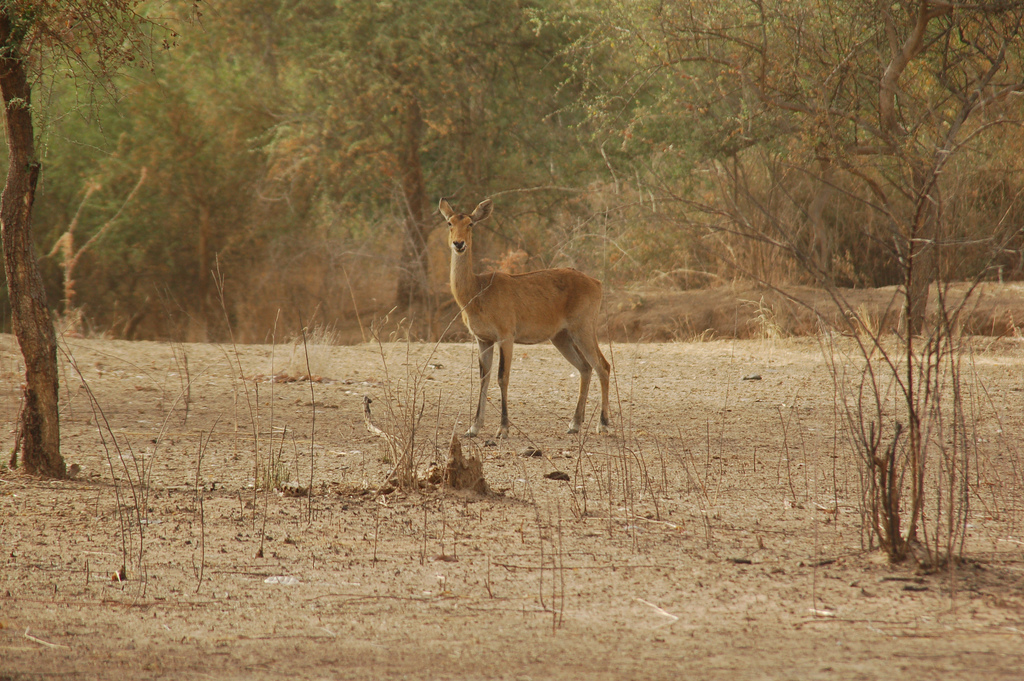
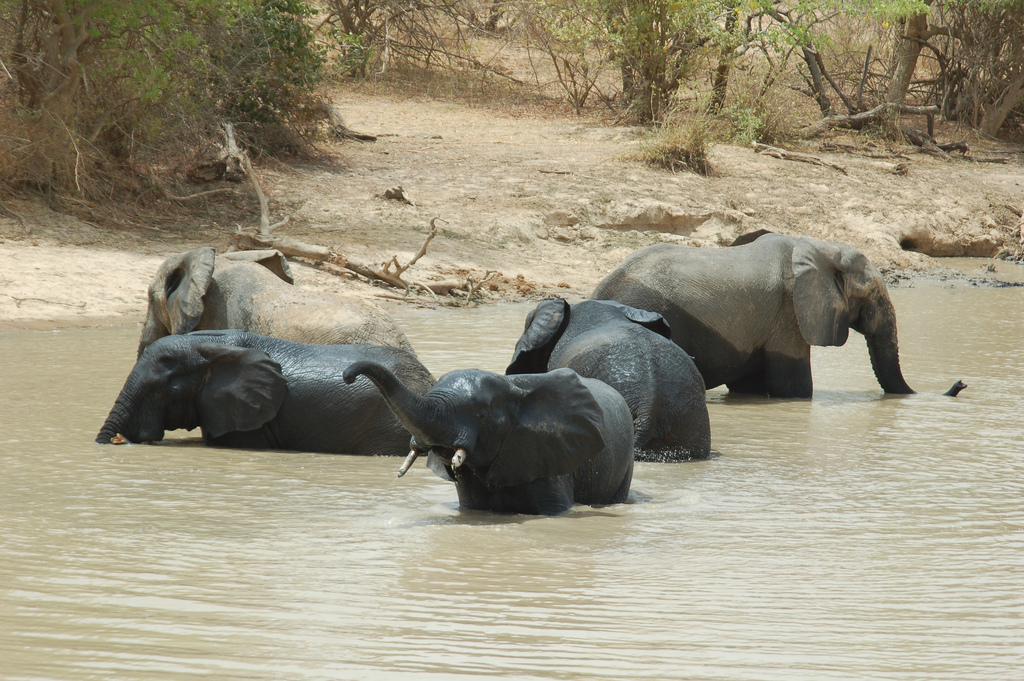
W National Park supports a wide range of wildlife typical of Sahelian West Africa: large ungulates and their predators, resident and migratory waterbirds, and numerous fish and reptile species. It functions as a regional corridor for movement and gene flow and sustains local fisheries and grazing resources. Because human population density inside the core protected zones is very low, many species find relatively undisturbed habitat there.
History and protection
The Niger portion of the park was created by official decree on 4 August 1954; later cooperative arrangements extended protection across borders. In 1996 the area was inscribed as a UNESCO World Heritage Site, recognizing its outstanding natural values and the need for coordinated conservation among the three states.
Conservation, use and threats
Management is conducted through national park services and transboundary agreements aiming to balance wildlife protection, sustainable use and livelihoods. Key threats include poaching, changes in river flow and seasonal water availability, agricultural expansion around park margins and climate variability. Community-based initiatives, anti-poaching patrols and cross-border cooperation are central to current conservation efforts.
Visiting and significance
W National Park is important for science, regional biodiversity and ecotourism, offering opportunities for birdwatching, guided wildlife viewing and cultural exchange with riverside communities. Access rules vary by country and visitors should consult authorities in Niger, Benin or Burkina Faso for permits and up-to-date guidance. The park remains a key example of transboundary conservation in West Africa, illustrating both the challenges and benefits of managing large, shared ecosystems.
- Core habitats: floodplain, gallery forest, savanna.
- Conservation status: UNESCO World Heritage Site and transboundary protected area.
- Main management concerns: poaching, hydrological change, human pressures.
For further information consult national park authorities and regional conservation organisations that coordinate work in the W landscape.
Questions and answers
Q: What is the W Regional Park?
A: The W Regional Park is a major national park in West Africa that is formed around a meander in the River Niger shaped like a "W".
Q: In which countries is the W National Park located?
A: The W National Park includes areas of the three countries Niger, Benin and Burkina Faso.
Q: When was the W National Park of Niger formed?
A: The W National Park of Niger was formed by decree on 4 August 1954.
Q: When was the W National Park listed as a UNESCO World Heritage Site?
A: The W National Park was listed as a UNESCO World Heritage Site in 1996.
Q: How many square kilometers does the Regional park cover in the three nations?
A: The Regional park covers about 10,000 km² in the three nations.
Q: Do people live in the W National Park?
A: Almost no people live in the W National Park area.
Q: Why is the W Regional Park significant?
A: The W Regional Park is significant as a major national park in West Africa that is listed as a UNESCO World Heritage Site and covers a large area of the three countries Niger, Benin and Burkina Faso.
Related articles
Author
AlegsaOnline.com W National Park (W Regional Park) Leandro Alegsa
URL: https://en.alegsaonline.com/art/106054
Sources
- iucnredlist.org : "Acinonyx jubatus ssp. hecki"
- eoearth.org : online