
Adolphe Sax
Belgian instrument maker and musician (1814–1894), inventor of the saxophone and developer of brass and woodwind designs that shaped 19th‑century military and orchestral bands.
Antoine-Joseph (commonly known as Adolphe) Sax was born on November 6, 1814 and died on February 4, 1894. A Belgian inventor and musician, he trained and performed on the flute and clarinet. He is best known for creating the modern saxophone, an instrument that bridged woodwind and brass families.
Image gallery
9 Images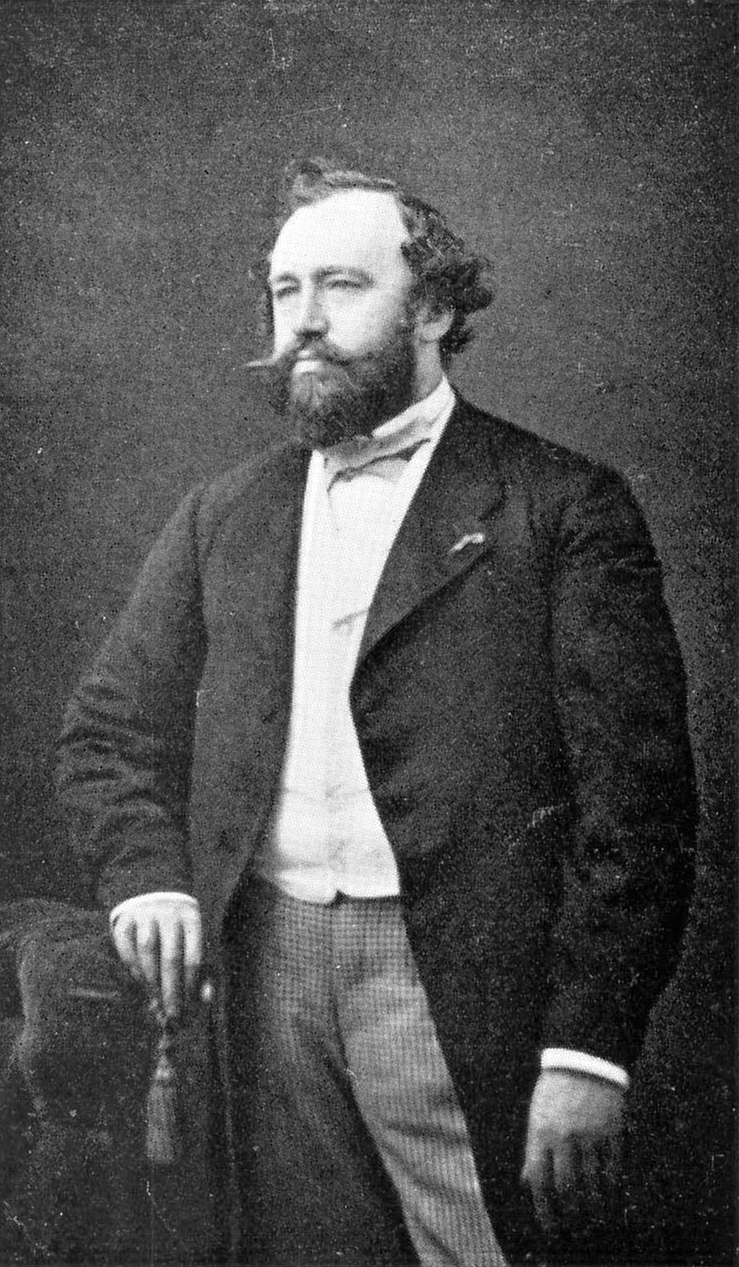
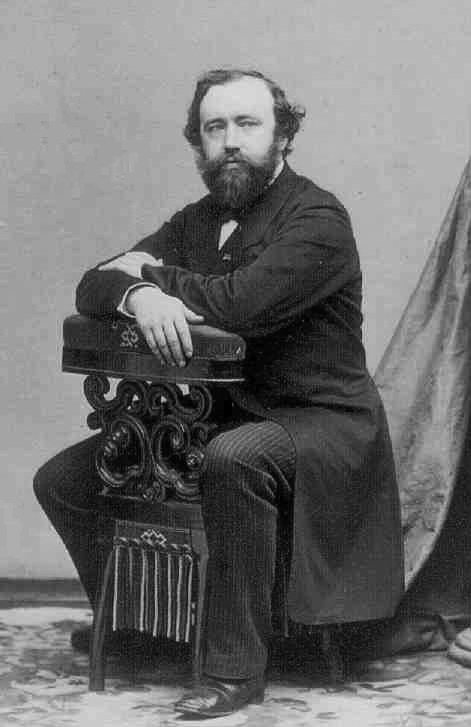


Overview
Sax combined practical musicianship with mechanical skill learned in a family workshop. His instruments emphasized a clear tone, reliable keywork and consistent intonation for ensemble use. Sax's approach blended features of single‑reed woodwinds with metal-bodied horn design, producing a new timbre and dynamic range that appealed to military, orchestral and later popular musicians.
Inventions and characteristics
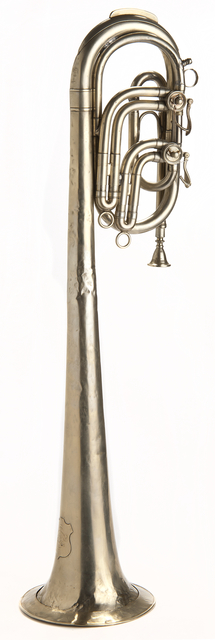
Beyond the saxophone, Sax developed several related instruments and refinements. He produced a family of conical brass instruments designed for bands and standardized valve systems that improved playability. Typical features of his designs included conical bores, keyed tone holes adapted to metal bodies, and attention to ergonomics for comfortable fingering.
- Patent and formalization of the saxophone design in the mid‑19th century
- Variants sized for soprano to bass ranges, intended for ensemble balance
- Related brass family instruments intended for military bands
Career, reception and disputes
Sax moved to a major musical centre to manufacture and promote his ideas, supplying instruments to military and civic bands. His innovations met both enthusiasm and resistance: musicians and instrument makers adopted some designs while competitors challenged patents and commercial advances. Financial setbacks, legal battles and workshop difficulties were recurring themes in his professional life.
Uses and legacy
Initially used in military and concert bands, the saxophone later became central to jazz, wind ensembles and various popular styles. Adolphe Sax's combination of acoustical insight and practical manufacturing helped standardize several wind and brass instrument types during the 19th century. Today the saxophone family remains a prominent legacy of his work, and his name is widely associated with the instrument's unique sound and its role in modern music.
For further reading on his life, instruments and historical impact see primary biographies and collections of 19th‑century instrument makers, as well as museum catalogues documenting surviving instruments and patents.
Questions and answers
Q: Who was Adolphe Sax?
A: Adolphe Sax was a Belgian inventor and musician.
Q: What did Adolphe Sax invent?
A: Adolphe Sax is best known for inventing the saxophone.
Q: What instruments did Adolphe Sax play himself?
A: Adolphe Sax played the flute and clarinet.
Q: What was his full name?
A: His full name was Antoine-Joseph Sax, but he was commonly known as Adolphe Sax.
Q: What years did Adolphe Sax live?
A: Adolphe Sax lived from 1814 to 1894.
Q: What was Adolphe Sax known for besides inventing the saxophone?
A: Adolphe Sax was primarily known for his invention of the saxophone, but he was also a musician who played the flute and clarinet.
Q: What was Adolphe Sax's nationality?
A: Adolphe Sax was Belgian.
Related articles
Author
AlegsaOnline.com Adolphe Sax Leandro Alegsa
URL: https://en.alegsaonline.com/art/1055