
Villette (novel)
Charlotte Brontë's Villette follows Lucy Snowe's inward life in a foreign city; a psychological novel of isolation, resilience, gothic mood and ambiguous romance set against a teacher's experience in Brussels.
Overview
Villette is a novel by Charlotte Brontë that centers on Lucy Snowe, a reserved Englishwoman who goes to work and live in a continental city. Told in the first person, the narrative traces Lucy's inner life, her struggles for independence and dignity, and her encounters with love and loss. The book is widely admired for its careful psychological portrait rather than for dramatic plot turns.
Image gallery
3 Images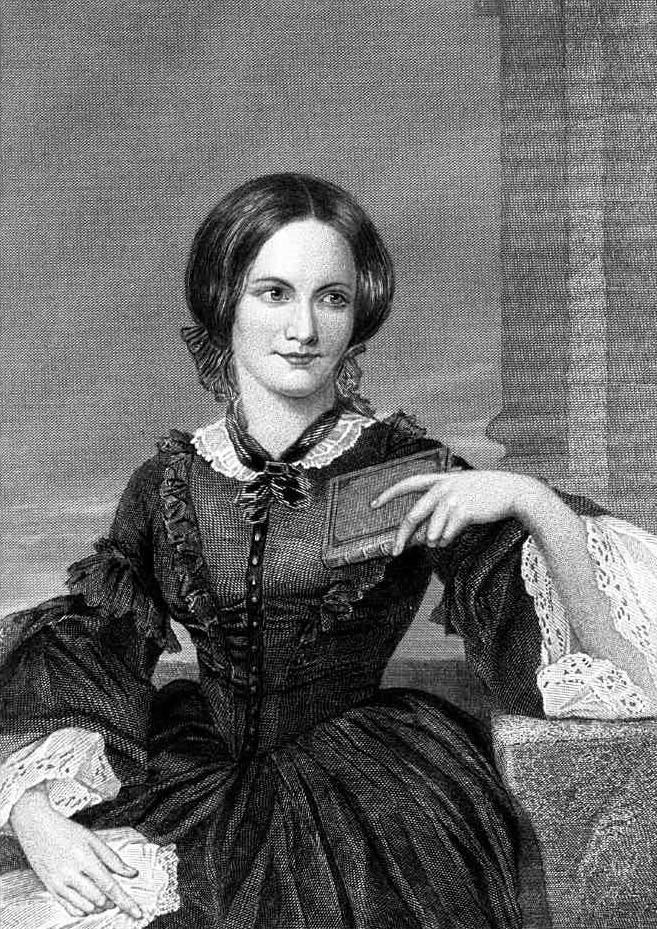
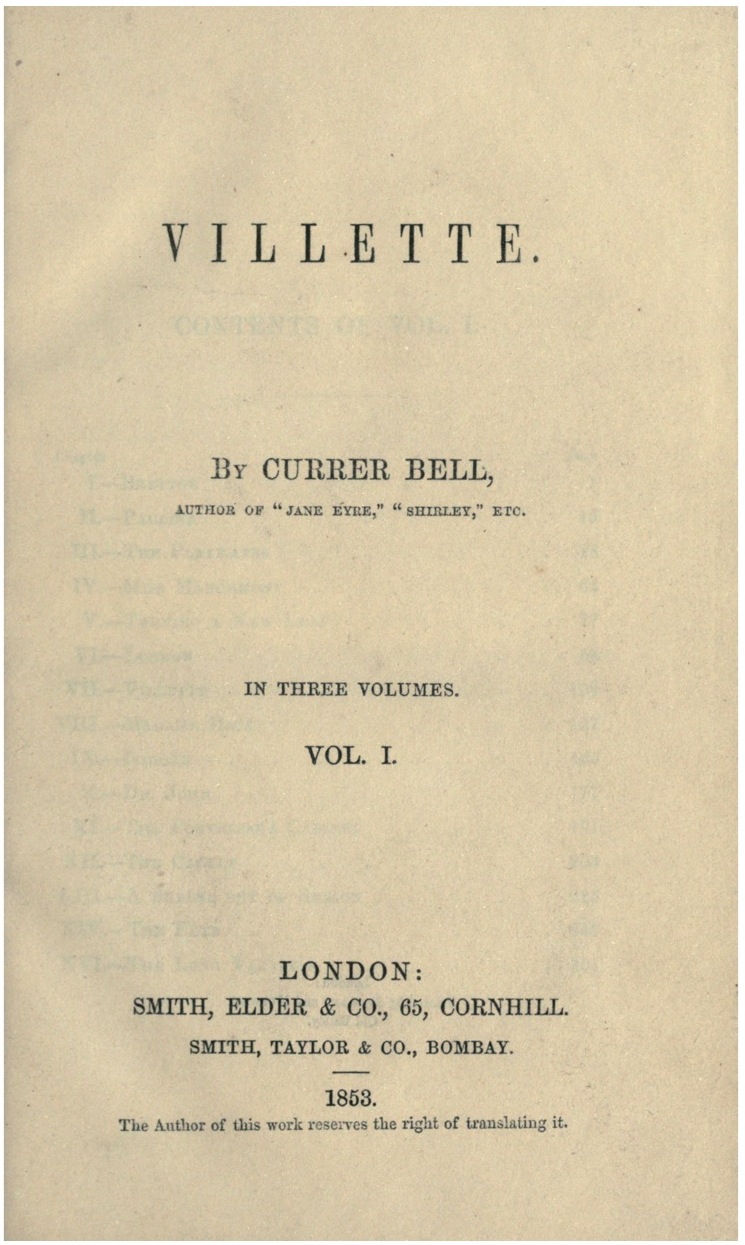

Form and narration
The story is presented as Lucy's own account, and much of the novel's power arises from its introspective voice. Lucy is observant and often reticent; she reports events while revealing the gap between outward composure and inward feeling. Brontë makes frequent use of atmospheric description and symbolic architecture to mirror Lucy's moods, an effect sometimes called a gothic or psychological landscape.
Characters and themes
- Lucy Snowe – the central narrator whose resilience and solitude drive the book;
- M. Paul Emanuel – a passionate, often brusque teacher who becomes an important figure in Lucy's life;
- Other residents and students – figures who reveal social constraints, cultural difference, and opportunities for connection.
Major themes include isolation, emotional restraint, the search for self-respect, religious feeling, and the complexities of romantic attachment. Brontë treats love as a moral and psychological challenge rather than a simple plot device.
Setting, influences and history
The novel draws on Brontë's own years working as a teacher in Brussels, and the foreign city in Villette reflects that experience. Scholars note echoes of real persons and institutions in the book, though Brontë transforms these into a more universal study of experience. Villette was published during Brontë's mature period and has been linked by critics to other mid-19th-century psychological fiction. For basic bibliographic details see publication information and for an author overview consult Charlotte Brontë resources.
Reception and significance
Contemporary and later readers have praised Villette for its emotional subtlety and intricate interior narration. Critics often highlight the novel's ambiguous ending and its willingness to leave some questions unresolved, a choice that reinforces themes of uncertainty and endurance. For literary criticism and further commentary, see critical studies and guides to interpretation at scholarly summaries.
Questions and answers
Q: What is Villette?
A: Villette is a novel by English writer Charlotte Brontë.
Q: Where is the story set?
A: The story is set in Brussels, where Charlotte Brontë had experience as an English teacher.
Q: What themes are explored in the book?
A: The book explores themes of hidden feelings and dignity, and a woman's right to love and be loved.
Q: Why do people like the book?
A: People like the book not so much for its plot, but for the careful and detailed picture of Lucy (the main character)'s feelings and emotions.
Q: How did Charlotte Brontë show Lucy's feelings inside?
A: Charlotte Brontë used Gothic buildings and other things to show Lucy's feelings inside.
Q: Who wrote Villette?
A: Villette was written by English writer Charlotte Brontë.
Q: What is the main character's name in Villette?
A: The main character in Villette is named Lucy.
Related articles
Author
AlegsaOnline.com Villette (novel) Leandro Alegsa
URL: https://en.alegsaonline.com/art/105334