
Villeneuve-sur-Lot: bastide town in Lot-et-Garonne, Nouvelle-Aquitaine
Villeneuve-sur-Lot is a subprefecture and historic bastide on the Lot river in Lot-et-Garonne, Nouvelle-Aquitaine, southwestern France. It is an administrative, market and cultural centre with medieval roots.
Overview
Villeneuve-sur-Lot is a town and commune located in southwestern France. It lies within the historic and administrative area commonly associated with the region of Nouvelle-Aquitaine. The town serves as a subprefecture of the department of Lot-et-Garonne and is one of the principal local centres in the department. Historically it has also been called Villeneuve-d'Agen.
Image gallery
6 Images



Geography and built form
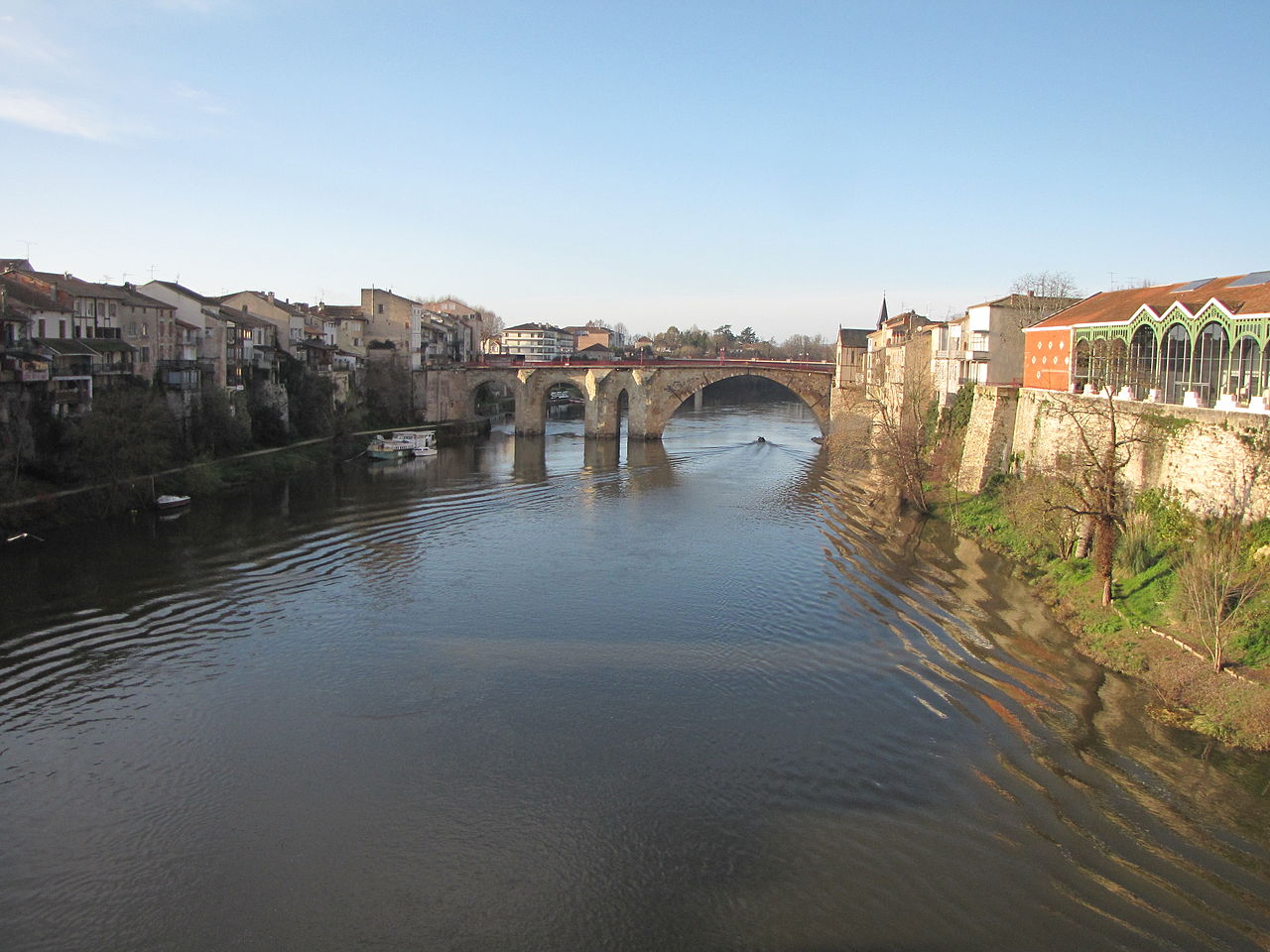
Villeneuve-sur-Lot sits on the banks of the Lot river, whose course has long shaped the town's economy and layout. The town preserves the regular street plan characteristic of a medieval bastide, with a central market area and narrow lanes radiating outward. River quays and bridges concentrate activity along the water and provide scenic promenades that are popular with residents and visitors alike.
History and development
The settlement dates from the medieval period: it was established as a planned bastide in the mid-13th century (commonly dated to 1254) and grew around market rights and defensive works. Over centuries the town developed craft, trade and river transport links that tied it to surrounding agricultural areas. Its medieval core, with arcaded market streets and surviving fragments of fortification, reflects this layered past.
Economy, culture and attractions
Villeneuve-sur-Lot functions today as a regional market town and local service centre. Agriculture in the surrounding countryside—fruit, vegetables and mixed farming—remains important, while small industry, commerce and tourism support the urban economy. Cultural life includes weekly markets, periodic festivals, museums and historic architecture that attract visitors during the warmer months.
Administration and distinctions
Administratively the town is the capital of the arrondissement and gives its name to two cantons, commonly referred to as Villeneuve-sur-Lot-1 and Villeneuve-sur-Lot-2. It is the seat of the subprefecture and local services for health, education and commerce in the area. The town combines municipal functions with a visible historical identity.
Key features
- Medieval bastide layout and central market square, reflecting its 13th-century origins and planned urban form.
- Location on the Lot river, with riverfront promenades and historic quays that shaped trade and transport.
- Administrative role as a capital of the arrondissement of Villeneuve-sur-Lot and as an important local service centre.
- Active local culture: markets, festivals and museums that interpret the town's history and rural surroundings.
Questions and answers
Q: What is the name of the region in which Villeneuve-sur-Lot is located?
A: Villeneuve-sur-Lot is located in the region of Nouvelle-Aquitaine.
Q: What department does Villeneuve-sur-Lot belong to?
A: Villeneuve-sur-Lot belongs to the Lot-et-Garonne department.
Q: Was there a previous name for this commune?
A: The commune was formerly named Villeneuve-d'Agen.
Q: Is Villeneuve sur Lot a subprefecture?
A: Yes, it is a subprefecture of the Lot et Garonne department.
Q: How many cantons does it contain?
A: It contains two cantons, namely Villeneuve sur Lot 1 and 2.
Q: What type of administrative division is it?
A: It is an arrondissement and also a commune in southwestern France.
Related articles
Author
AlegsaOnline.com Villeneuve-sur-Lot: bastide town in Lot-et-Garonne, Nouvelle-Aquitaine Leandro Alegsa
URL: https://en.alegsaonline.com/art/105295
Sources
- ville-villeneuve-sur-lot.fr : "L'équipe municipale"
- insee.fr : "Commune de Villeneuve-sur-Lot (47323)"
- map-france.com : "City of Villeneuve-sur-Lot"
- annuaire-mairie.fr : "Ville de Villeneuve-sur-Lot"
- habitants.fr : "Villeneuve-sur-Lot (47300)"
- insee.fr : "Régions, départements, arrondissements, cantons et communes"
- insee.fr : "Commune de Villeneuve-sur-Lot (47323)"