
Adolphe Adam (1803–1856): French composer of ballets, operas and songs
Overview of Adolphe Adam, a French Romantic composer and critic best known for Giselle, Le corsaire, Le postillon de Lonjumeau and the carol 'Minuit, chrétiens!' (O Holy Night).
Adolphe Charles Adam (24 July 1803 – 3 May 1856) was a French composer and a noted music critic of the Romantic era. He worked across several genres—stage works, dance music and songs—and balanced composing with teaching and writing about music. His output includes numerous operas and ballets that enjoyed popular success in 19th‑century Paris and remained in repertory in various forms.
Adam's music is widely admired for its melodic clarity, theatrical sense and rhythmic vitality. He wrote with an ear for the stage: clear tunes that supported singers and dancers, effective orchestral colors for dramatic moments, and cadences suited to public taste. While not always celebrated by later academic critics, his ability to write memorable tunes and dance rhythms made many of his pieces enduringly popular.
Image gallery
8 Images




Major works
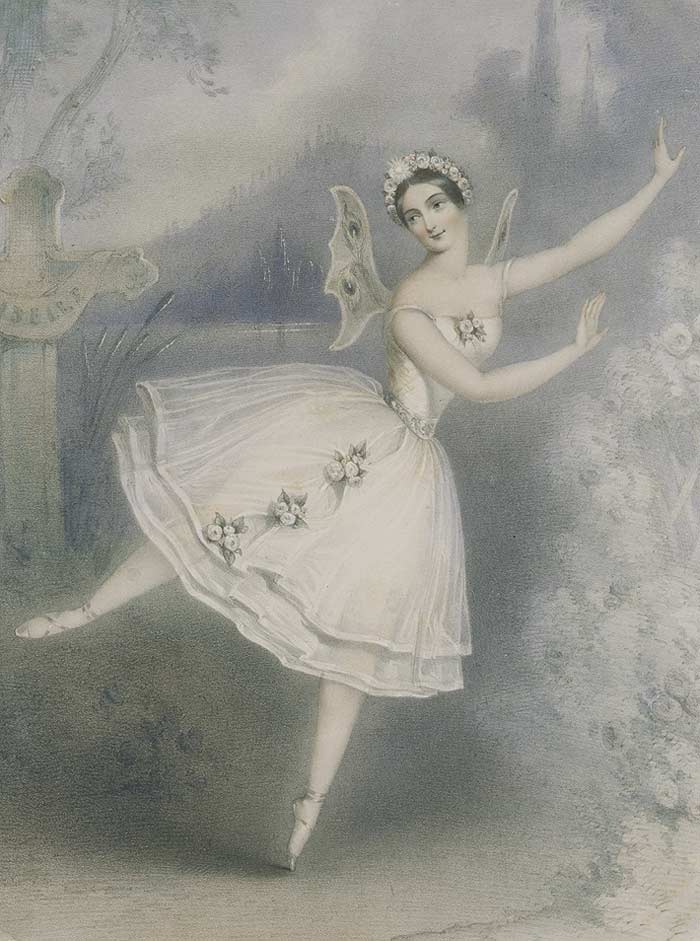
- Ballets: the romantic ballet Giselle (1841) is his best‑known stage score and a cornerstone of classical ballet repertory; his last completed ballet was Le corsaire (1856).
- Operas: he composed several comic and lyric operas, among them Le postillon de Lonjumeau (1836), Le toréador (1849) and Si j'étais roi (1852), the latter often praised for its polish and theatrical effectiveness.
Aside from stage music, Adam wrote songs and sacred pieces. His 1847 melody to the French Christmas text "Minuit, chrétiens!" became internationally famous in translation as the carol "Minuit, chrétiens!" and in English as "O Holy Night". The tune's strong, lyrical line and harmonic support helped it become one of the most frequently performed 19th‑century carols.
Adam also taught and influenced younger composers. Among his pupils was the composer Léo Delibes, who went on to compose important ballets and stage works of his own. Adam's dual role as practitioner and educator helped diffuse his stylistic approaches in French musical life.
Historically, Adam occupies a place between popular theater music and the growing Romantic tradition: he wrote for public entertainment, but his best works show craftsmanship and expressive warmth. While some of his pieces faded from view, a handful—especially Giselle and the carol O Holy Night—remain in performance today and secure his reputation as a composer whose melodies retained public appeal beyond his lifetime.
Questions and answers
Q: Who was Adolphe Charles Adam?
A: Adolphe Charles Adam was a French composer and music critic.
Q: What did Adolphe Charles Adam compose?
A: Adolphe Charles Adam composed many operas and ballets.
Q: What are Adolphe Charles Adam's most well-known ballets?
A: Adolphe Charles Adam's most well-known ballets are Giselle (1841) and Le corsaire (1856, his last work).
Q: What are some of Adolphe Charles Adam's most popular operas?
A: Adolphe Charles Adam's most popular operas are Le postillon de Lonjumeau (1836), Le toréador (1849), and Si j'étais roi (1852, often regarded as his finest work).
Q: What Christmas carol is Adolphe Charles Adam known for composing?
A: Adolphe Charles Adam is known for composing the popular Christmas carol "Minuit, chrétiens!" ("O Holy Night") (1847).
Q: What was Adolphe Charles Adam's profession besides being a composer?
A: Adolphe Charles Adam was a teacher.
Q: Who was one of Adolphe Charles Adam's pupils?
A: Léo Delibes was one of Adolphe Charles Adam's pupils.
Tags
Related articles
Author
AlegsaOnline.com Adolphe Adam (1803–1856): French composer of ballets, operas and songs Leandro Alegsa
URL: https://en.alegsaonline.com/art/1052