
Vidin Province, Bulgaria
Vidin Province in northwestern Bulgaria, centered on the city of Vidin along the Danube; known for medieval fortresses, prehistoric cave art at Magura and cross‑border river transport with Romania.
Overview
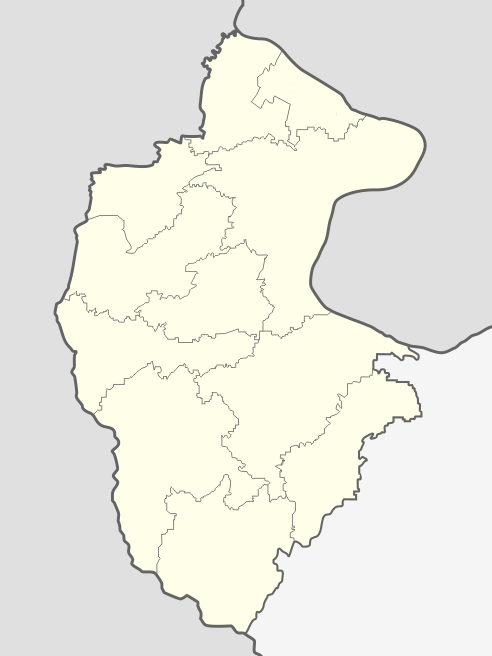
Vidin Province occupies the northwestern edge of Bulgaria and lies at approximately 43°48′N 22°41′E. It is an administrative region of the province structure in Bulgaria. The provincial capital, which gives the region its name, is Vidin, a riverside city with a long history as a regional river port and defensive centre.
Image gallery
5 Images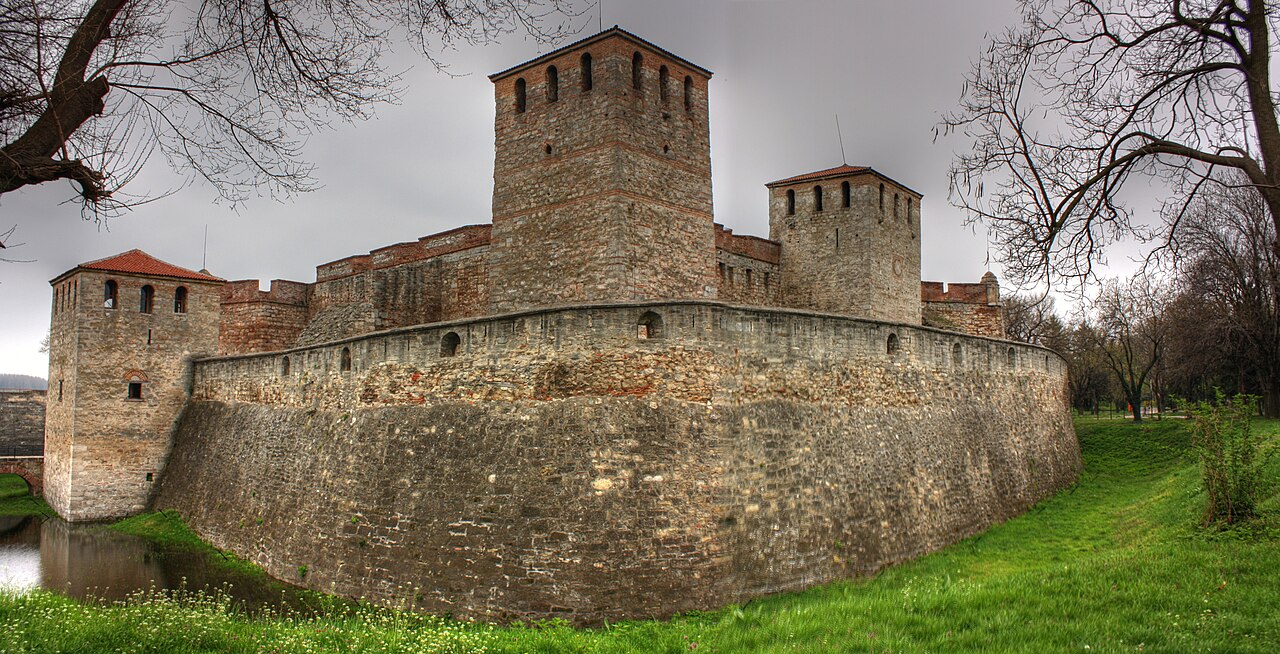


Geography and environment
The province is defined in part by the course of the Danube, which forms the northern boundary and separates Bulgaria from Romania. Terrain ranges from riverine lowlands and agricultural plains to hilly and karst areas inland. Limestone and sandstone outcrops produce notable rock formations and caves; soils and climate support mixed farming and vineyards in suitable locations.
History and cultural sites
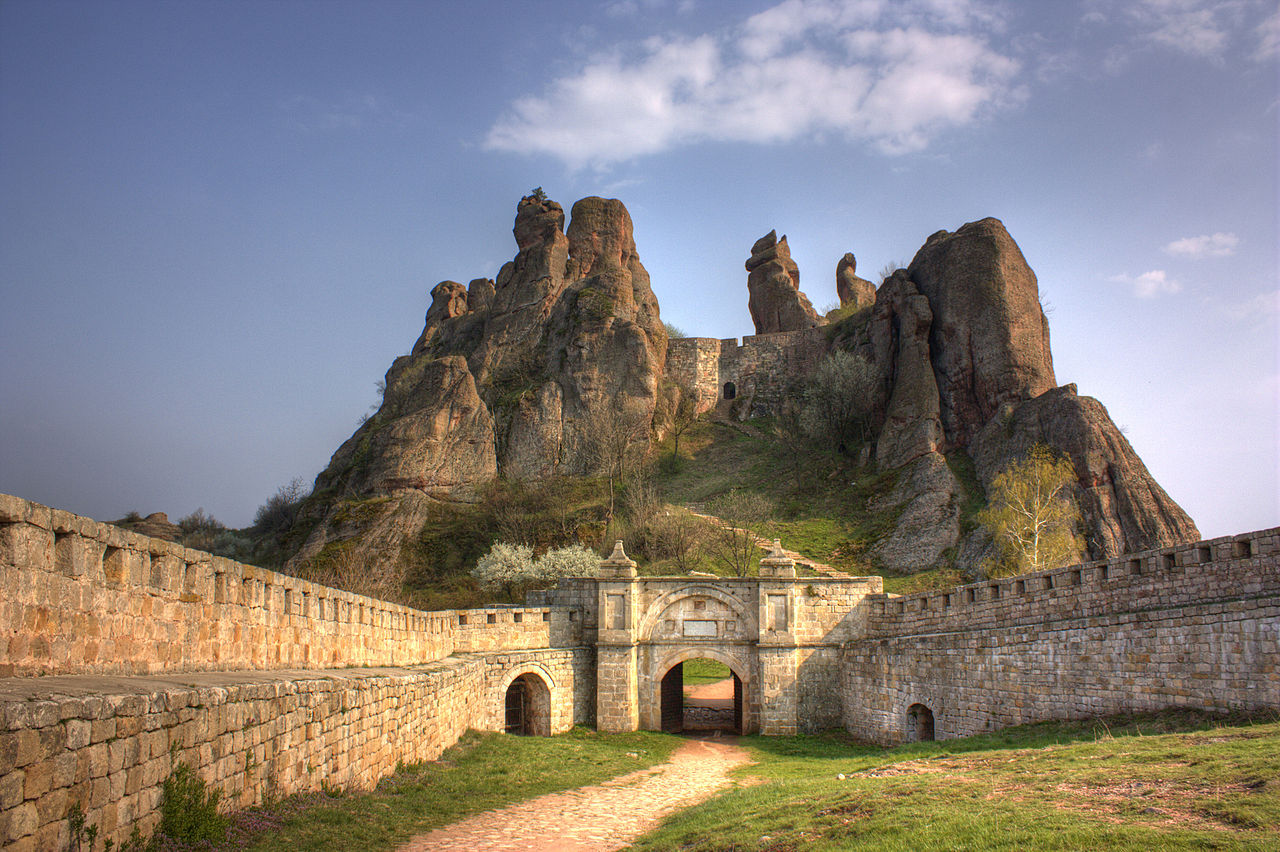
Vidin has been inhabited since prehistoric times and retains archaeological and historical layers from antiquity, the medieval period and the Ottoman era. The region is notable for several important cultural landmarks: the medieval fortress known as Baba Vida in the city of Vidin, the striking Belogradchik rock formations and fortress to the southwest, and caves with prehistoric paintings such as Magura Cave, whose art has been dated to the prehistoric era.
Economy and transport
The Danube gives the province a strategic role in river transport and cross‑border trade. Local economy combines agriculture, small industry and services concentrated in urban centres. Road and rail connections link Vidin with other parts of Bulgaria and with neighbouring Romania; a major river crossing provides an important transport corridor for freight and passenger traffic across the Danube.
Tourism and notable places
- Vidin city – riverside promenade, the Baba Vida fortress and regional museums.
- Magura Cave – famous for prehistoric cave paintings and speleological interest.
- Belogradchik Rocks – dramatic rock formations and a historic fortress set among them.
- Riverside landscapes, traditional villages and regional wine and food specialties.
Contemporary issues and visiting
The province faces demographic and economic transitions common to several northwestern regions: population decline, an aging populace and the need for investment in infrastructure. At the same time, its cultural heritage, natural scenery and river access make it a focus for heritage tourism and cross‑border initiatives. Visitors can reach Vidin by road, rail and river, and use the city as a base for excursions to caves, rock formations and nearby rural sites.
Questions and answers
Q: What are the geographic coordinates of Vidin Province in Bulgaria?
A: The geographic coordinates of Vidin Province in Bulgaria are 43°48′N 22°41′E / 43.800°N 22.683°E / 43.800; 22.683.
Q: What is Vidin Province and where is it located?
A: Vidin Province is a province in Bulgaria, located in the northwestern part of the country.
Q: What is the capital city of Vidin Province?
A: The capital city of Vidin Province is also named Vidin.
Q: What is the natural border of Vidin Province with Romania?
A: The Danube river forms the natural border of Vidin Province with Romania.
Q: Is there a cave with cave paintings in Vidin Province and when did the paintings date back to?
A: Yes, there is a cave with cave paintings in Vidin Province called Magura Cave. The paintings date back to 10,000 BC.
Q: In what time period were the cave paintings in Magura Cave made?
A: The cave paintings in Magura Cave were made in the prehistoric era, approximately around 10,000 BC.
Q: What makes Magura Cave in Vidin Province significant?
A: Magura Cave is significant because it contains prehistoric cave paintings that date back to around 10,000 BC.
Related articles
Author
AlegsaOnline.com Vidin Province, Bulgaria Leandro Alegsa
URL: https://en.alegsaonline.com/art/105046
Sources
- nsi.bg : Bulgarian National Statistical Institute - Bulgarian provinces and municipalities in 2009
- citypopulation.de : „WorldCityPopulation“
- pop-stat.mashke.org : „pop-stat.mashke.org“
- nsi.bg : Bulgarian National Statistical Institute - Bulgarian towns in 2009
- pop-stat.mashke.org : „pop-stat.mashke.org“
- nsi.bg : Bulgarian National Statistical Institute - Bulgarian villages under 1000 inhabitants - December 2009