
Víctor Jara: Chilean singer, theatre director and symbol of social justice
Víctor Jara (1932–1973) was a Chilean folk singer, theatre practitioner and activist whose music and life became emblematic of social justice, political struggle and human rights in Chile and beyond.
Overview
Víctor Jara (September 28, 1932 – September 15, 1973) was a Chilean teacher, theatre director, songwriter and folk singer whose work addressed social inequality and the lives of working people. He is remembered as a leading figure in the Nueva Canción movement, which combined traditional Latin American musical forms with politically engaged lyrics. Jara's recordings, performances and community theatre projects made him a widely recognised cultural voice in Chile during the 1960s and early 1970s.
Image gallery
5 Images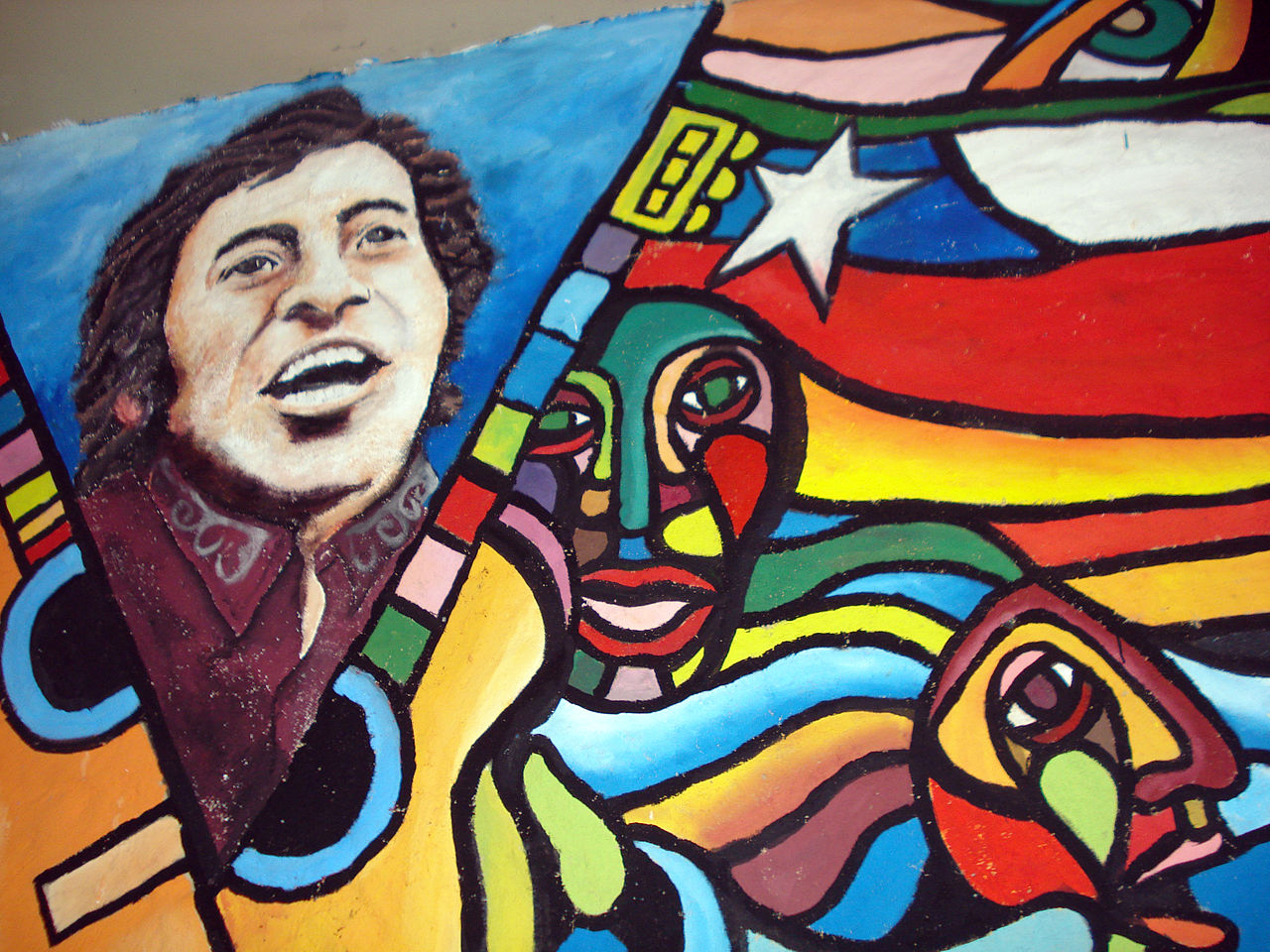


Early life and theatrical work
Born into a poor rural family, Jara left the countryside to study in Santiago and trained in dramatic arts. He worked as an actor, director and teacher, helping to bring theatre to popular audiences and university students. His stage work often emphasised collective creation and community participation; he also taught at arts institutions and collaborated with amateur and professional companies. In this period he met and later married Joan Turner, a dancer and choreographer who influenced his artistic circle and life.
Music, themes and cultural role
Jara began to compose and perform songs that portrayed the everyday experiences of peasants, miners, factory workers, women and children living in poverty. His music blended folk instruments and forms with direct, narrative lyrics that addressed hunger, land reform, labour rights and the struggle for dignity. He became associated with the Nueva Canción Chilena (New Chilean Song) movement, a broad cultural tendency that sought to recover folk traditions while engaging contemporary social and political issues. Jara's recordings, classroom work and concerts helped popularise songs that were easy to sing and share, strengthening community bonds.
Politics, the 1973 coup and death
During the presidency of Salvador Allende (1970–1973) Jara supported policies aimed at social reform and greater equality. After the military coup of September 1973 that brought General Augusto Pinochet to power, Jara was arrested at a stadium in Santiago. While many details remain part of historical inquiry and testimony, widely reported accounts describe his detention, mistreatment and killing in military custody shortly after the coup. His death turned him into an international symbol of the repression that followed the overthrow of Chile's elected government; it also sparked efforts by human rights advocates to document abuses and seek justice.
Legacy and influence
Víctor Jara's songs and story have been preserved by generations of musicians, organisers and scholars. He is commemorated in music collections, theatrical revivals, films, memorials and human rights campaigns. Jara's combination of artistic craft and political commitment has inspired artists across Latin America and beyond, and his work remains a reference point for debates about cultural expression, memory and transitional justice. Numerous tribute albums, documentaries and academic studies continue to explore his repertoire and historical context.
Further reading and resources
- Basic biography and timeline
- Early years and family background
- Dates and memorial information
- Reports on the 1973 coup
- Overview of Chilean music traditions
- Context: South American folk movements
- Rural and peasant life in Chile
- University and arts education
- Poverty and social policy in mid-20th century Chile
- Dramatic arts and pedagogy
- Theatre projects and community work
- Joan Turner: collaborator and partner
- Dance influences in Jara's circle
- Choreography and performance links
- Industrial labour and song subjects
- Worker movements and music
- Songs about children and social care
- Urban shantytowns and cultural response
- Inequality and reform debates
- Food insecurity as a musical theme
- Health care and community advocacy
- Education and cultural access
- Housing and popular song
- Political alignments and cultural actors
- Accounts of repression after the coup
- Pinochet's regime: historical studies
- International reactions and diplomatic records
Note: This article summarises widely reported facts about Víctor Jara's life, work and legacy. For detailed archival material, scholarly analyses and primary sources consult specialised books, music anthologies and human rights documentation available through the links above and in research collections.
Questions and answers
Q: Who was Víctor Jara?
A: Víctor Jara was a singer from Chile, South America who wrote and sang songs about the life of humble and poor people in his country.
Q: How did he escape poverty?
A: He escaped poverty by working hard and entering the University of Chile, which was unusual for someone from a poor country like Chile.
Q: Who did he marry?
A: He married Joan Turner, a British ballet dancer and choreographer who worked in Chile.
Q: What were some of the topics addressed in his music?
A: His music addressed topics such as inequality between the richest and poorest people in society, how poor folk have difficulty accessing basic needs such as food, health care, education, and housing, and supporting politicians who called for fairer distribution of wealth to end poverty.
Q: When did Víctor Jara die?
A: Víctor Jara died on September 15th 1973.
Q: How did he die?
A: He was killed by a military dictatorship led by General Augusto Pinochet for singing songs about social problems and social injustice.
Q: Who supported this military regime?
A: The U.S government of Richard Nixon supported the military regime that killed Victor Jara.
Related articles
Author
AlegsaOnline.com Víctor Jara: Chilean singer, theatre director and symbol of social justice Leandro Alegsa
URL: https://en.alegsaonline.com/art/104961