
Victor Frankenstein: creator, scientist, and tragic protagonist of Mary Shelley’s Frankenstein
Victor Frankenstein is the ambitious scientist who creates the Creature in Mary Shelley’s novel Frankenstein. His life, choices, and downfall examine ambition, responsibility, and the limits of knowledge.
Overview
Victor Frankenstein is the central human character of the novel Frankenstein, written by Mary Shelley. He is an educated Swiss scientist whose experiments lead him to assemble and animate a sentient being. His story explores the ethical and personal consequences of scientific ambition.
Image gallery
10 Images




Origins and education
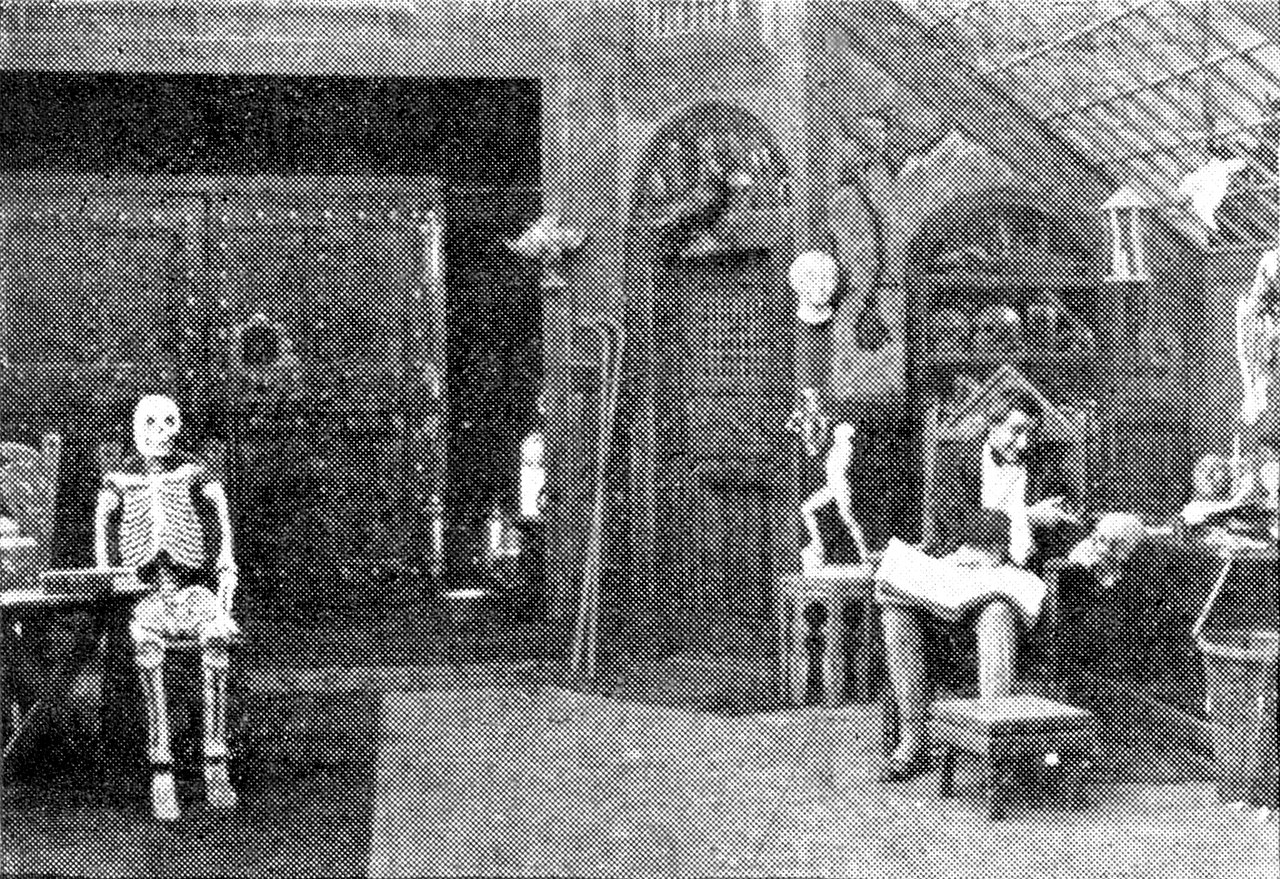
Raised in an affluent family, Victor develops a deep interest in natural philosophy and chemistry. He studies at the university in Ingolstadt, where exposure to modern science and the writings of earlier natural philosophers shape his methods and goals. Mentors and the intellectual climate push him from theoretical curiosity toward attempts to alter life itself.
Creation and immediate consequences
Victor succeeds in assembling a body from dead matter and animating it, a process sometimes described as putting together "dead parts" into a new organism. He is horrified by the being's appearance and abandons it. That being, commonly called the Monster, reacts to rejection and isolation by seeking contact, then demanding a companion. Victor begins a second creation but ultimately destroys it before giving it life. These choices set off a chain of violence and retribution.
Narrative arc and fate
The novel presents Victor's account within a framed structure: an explorer named Walton records Victor's confessions. The Creature retaliates by killing people close to Victor, including his brother William, his friend Henry Clerval, and his wife Elizabeth. Victor pursues the Creature across Europe and into the Arctic. He dies on his mission of revenge, weakened by exposure and illness often described in the narrative as pneumonia; his death is witnessed by Walton, who relays the story.
Themes, characterization and legacy
Victor embodies themes of hubris, the moral limits of scientific inquiry, parental responsibility, and isolation. Critics read his story as a cautionary tale about unchecked ambition and as a reflection of Romantic-era anxieties about industrial progress. Popular culture has blurred names and roles so that "Frankenstein" is frequently used to refer to the Creature as well as to Victor.
Key events and distinctions
- Victor's education and obsession with reanimation.
- Assembly of a living being from dead matter and abandonment of that being (assembly).
- The Creature's demand for a mate and Victor's destruction of the second creation.
- Revenge killings and Victor's physical and moral decline.
- Victor's death and the Creature's final actions.
For further study, readers can consult critical discussions of Gothic literature and Romantic science, which place Victor Frankenstein at the crossroads of ethical questions about creation, responsibility, and the costs of knowledge. The novel and its protagonist continue to provoke debate about who is responsible for harm: creator, created, or society. See also references to the Creature or "Monster" in literary commentary (the Monster), and biographical context for Shelley and contemporary responses to her work (Mary Shelley, Frankenstein). Additional reading may mention Victor's portrayal in later adaptations and the ways illness and death are reported in the text (pneumonia), as well as short reference entries on the character (Victor Frankenstein) and the moment of bodily construction (assembly).
Questions and answers
Q: Who is Victor Frankenstein?
A: Victor Frankenstein is a fictional character from the book Frankenstein by Mary Shelley.
Q: What did Victor Frankenstein create?
A: Victor Frankenstein created a monster by putting together dead parts into a body and then bringing it to life.
Q: Why did Victor Frankenstein abandon his creation?
A: Victor Frankenstein was scared by how ugly the monster was and decided to abandon it.
Q: What did the Monster ask for?
A: The Monster asked for a wife.
Q: Did Victor create a female monster for the Monster?
A: Yes, Victor created a female monster, but he destroyed her instead of bringing her to life.
Q: How did the Monster get revenge on Victor Frankenstein?
A: The Monster got revenge on Victor Frankenstein by killing everyone he ever cared about.
Q: Did Victor Frankenstein get his revenge on the Monster?
A: No, Victor Frankenstein died of pneumonia before he could get his revenge on the Monster.
Related articles
Author
AlegsaOnline.com Victor Frankenstein: creator, scientist, and tragic protagonist of Mary Shelley’s Frankenstein Leandro Alegsa
URL: https://en.alegsaonline.com/art/104951