
Vicente Martín y Soler (1754–1806): Spanish opera and ballet composer
Spanish composer celebrated for 18th‑century opera buffa and stage ballets; active in Naples, Vienna and the Russian imperial court under Catherine the Great.
Overview
Vicente Martín y Soler was an 18th‑century composer born on 2 May 1754 in Valencia, Spain. He achieved international success writing mainly comic operas and theatrical ballets, and is remembered for the melodic charm and theatrical sense of his stage works. He died on 30 January 1806 in Saint Petersburg, where he had spent the final years of his career.
Image gallery
1 Image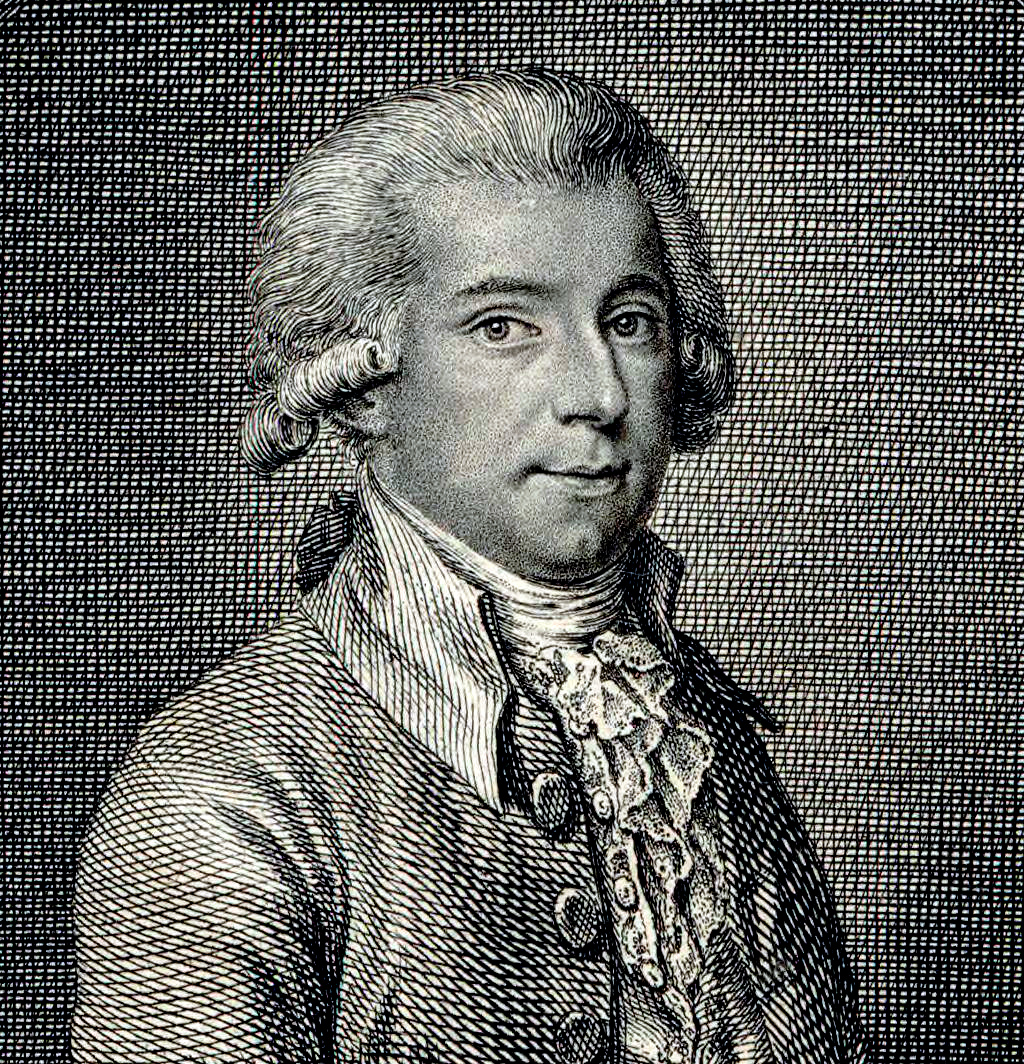
Life and early training
Martín y Soler received his musical education in Bologna, a major conservatory center in Italy, where he studied with the noted theorist and teacher Giovanni Battista Martini. His first staged work, the opera buffa Il tutore burlato, premiered in Madrid in 1775 and marked the start of a steady professional ascent across the Italian and central European theatre circuit.
Career across Europe
From 1777 to 1785 Martín y Soler was engaged at the prominent Teatro di San Carlo in Naples, one of the era's leading opera houses. Following his Neapolitan period he moved to Vienna, where his stage works enjoyed enthusiastic reception and frequent performances. In 1788 he accepted an invitation from Catherine the Great to enter the service of the imperial court in Russia, composing operas and ballets for the court theatres and helping to develop their repertory.
Music, style and notable works
Martín y Soler was associated with the opera buffa tradition: his music is characterized by lively ensembles, clear melodic lines and deft attention to dramatic pacing. In Vienna he collaborated with leading librettists of the day and produced works that appealed to both public taste and courtly audiences. Among his better‑known stage pieces are:
- Il tutore burlato (premiered 1775) — his early success in Madrid
- Una cosa rara (Vienna, 1786) — a widely praised comic opera that contributed to his fame
Beyond named operas, he composed numerous other stage works and dances for the theatre; his ballets for imperial theatres in Saint Petersburg helped integrate Western operatic and dance forms into the Russian stage repertoire.
Legacy and historical notes
Although Martín y Soler fell out of general repertory in the 19th and 20th centuries, his contributions to late‑18th‑century opera are recognized by music historians for their influence on contemporaries and for their role in the international circulation of operatic styles. A notable anecdote often cited is the musical cross‑reference between his Viennese success and Mozart's circle, a reminder of the dense artistic exchange in that city. Modern scholarship and occasional revivals have renewed interest in his stage music and its place in the European theatrical tradition.
Further reading and resources
For general context on his works and milieu see resources on 18th‑century operas and the development of stage ballets, as well as historical accounts of musical life in Vienna and the courts of Catherine the Great in Russia. Biographical entries and repertory lists often note his Valencian origins in Valencia, his studies in Bologna and professional periods in Naples at the Teatro di San Carlo, in Vienna, and finally in Saint Petersburg. For concise summaries consult specialized music dictionaries and institutional pages on European opera history (composer, Spain, Madrid).
Questions and answers
Q: Who was Vicente Martín y Soler?
A: Vicente Martín y Soler was a composer from Spain who wrote many operas and ballets.
Q: Where was Vicente Martín y Soler born?
A: Vicente Martín y Soler was born in Valencia, Spain.
Q: Where did Vicente Martín y Soler study music?
A: Vicente Martín y Soler studied music in Bologna, Italy.
Q: Who was Vicente Martín y Soler's teacher in Bologna?
A: Vicente Martín y Soler's teacher in Bologna was Giovanni Battista Martini.
Q: In which city was Vicente Martín y Soler's first opera performed?
A: Vicente Martín y Soler's first opera, Il tutore burlato, was performed in Madrid, Spain.
Q: Where did Vicente Martín y Soler work as a composer from 1777 to 1785?
A: Vicente Martín y Soler worked as a composer for the Teatro di San Carlo in Naples, Italy from 1777 to 1785.
Q: Where did Vicente Martín y Soler die?
A: Vicente Martín y Soler died in Saint Petersburg, Russia.
Related articles
Author
AlegsaOnline.com Vicente Martín y Soler (1754–1806): Spanish opera and ballet composer Leandro Alegsa
URL: https://en.alegsaonline.com/art/104911