
Vibrato: expressive pitch modulation in singing and instrumental music
Vibrato is a controlled, periodic fluctuation of pitch used by singers and instrumentalists to add warmth and expression. This article explains how it is produced, its history, and practical uses.
Vibrato is an intentional, regular oscillation of pitch that performers add to a sustained note to increase warmth, intensity, or expressiveness. Rather than a random wobble, effective vibrato is controlled in two primary dimensions: rate (how fast the pitch oscillates) and extent (how wide the pitch variation is). By subtly varying pitch around a central tone, vibrato can make a melody sound more animated and emotionally engaging.
Image gallery
2 Images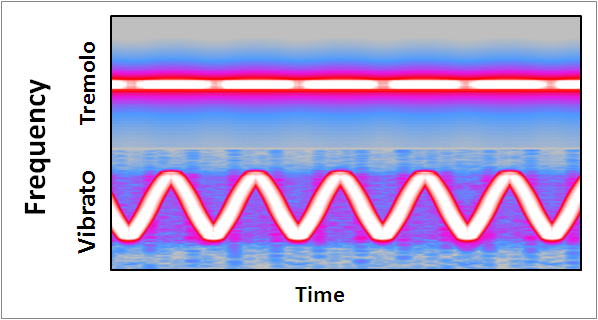

How vibrato is produced
Different families of instruments and the human voice create vibrato by distinct mechanisms. Singers usually produce vibrato through rhythmic modulations of breath pressure and coordinated changes in the laryngeal muscles. String players, such as violinists, generate vibrato by a rocking or rolling motion of the finger along the fingerboard, shifting the effective string length. On some wind instruments, small variations in air support or jaw position produce a comparable effect. Electronic instruments can simulate vibrato with oscillators or modulation effects. In all cases a relaxed technique and fine motor control are essential to avoid tension or an unpleasant, excessive wobble.
Characteristics and styles
- Rate: measured in cycles per second; slower vibrato often sounds broad and gentle, faster vibrato may sound nervous if overdone.
- Extent: the pitch deviation from the central tone, typically a few cents to a semitone for many performers.
- Placement: singers may use vibrato on sustained vowels, while instrumentalists choose which notes receive it for stylistic effect.
Terminology varies by language and tradition: for example, in Italy a singer's vibrato has sometimes been called "tremolo," though that term can mean different things in other contexts. Descriptions also differ between genres: operatic soloists often employ a continuous, rich vibrato, whereas some chamber and early-music ensembles prefer much less or selective use.
History, performance practice and debate
How vibrato was used historically is a subject of ongoing musicological debate. Performers of Renaissance and Baroque repertoire who use period instruments commonly aim for a more restrained approach, arguing that continuous vibrato is a later aesthetic development. Other scholars and performers maintain that historical players used occasional or tasteful vibrato for emphasis. Written sources, iconography and early treatises offer clues but not definitive prescriptions, so modern practice often balances historical research with contemporary taste.
Vibrato is also employed for practical reasons: it helps mask tuning discrepancies, enriches overtone content, and increases perceived loudness without raising volume. Because inappropriate or excessive vibrato can sound artificial or unstable, teachers emphasize gradual development. Beginners are warned not to force speed or amplitude; instead, steady control of rate and extent yields the most musical results. For technical guidance and demonstrations, see resources and recordings referenced by specialists: pitch, solo, opera.
Notable distinctions include the difference between vibrato and related effects: trill alternates between two distinct notes, while tremolo often refers to rapid amplitude modulation or an undifferentiated rapid reiteration. Understanding these terms helps performers choose an appropriate expressive tool for a given musical passage.
Questions and answers
Q: What is vibrato?
A: Vibrato is a series of very quick changes up and down to the pitch of a note, making it sound like a deliberate, controlled wobble.
Q: Why is vibrato used?
A: Vibrato is used to make a melody sound more beautiful by making it more expressive.
Q: Who uses vibrato?
A: Singers use vibrato, especially when singing dramatic solo music such as opera, and violinists and other players of string instruments produce vibrato by moving the finger backwards and forwards on the fingerboard.
Q: What is a singer’s vibrato sometimes called in Italy?
A: A singer’s vibrato in Italy is sometimes called “tremolo”.
Q: How do musicians produce vibrato on wind instruments?
A: Musicians produce vibrato on wind instruments by small changes of breath control.
Q: Why do beginners need to learn vibrato carefully?
A: Beginners need to learn vibrato carefully because the hand needs to be very relaxed, and vibrating too fast makes an unpleasant sound.
Q: Do musicians disagree about how much vibrato was used in earlier times?
A: Yes, musicians sometimes disagree about how much vibrato was used in earlier times.
Related articles
Author
AlegsaOnline.com Vibrato: expressive pitch modulation in singing and instrumental music Leandro Alegsa
URL: https://en.alegsaonline.com/art/104869