
Vheissu — Thrice's 2005 experimental album
Vheissu is Thrice's 2005 album that expanded the band's post-hardcore roots into experimental, atmospheric and thematically layered music with distinctive artwork and lyrical motifs.
Vheissu is a studio album released in 2005 by the American rock band Thrice. The record is widely noted for taking the group beyond their earlier post-hardcore sound into more experimental and atmospheric territory. Reviewers and listeners pointed to a deliberate move away from straightforward aggression toward varied textures, unconventional instruments and quieter, more contemplative passages. The album entry and related information can be found under general listings: Vheissu and in the band's broader discography.
Image gallery
2 Images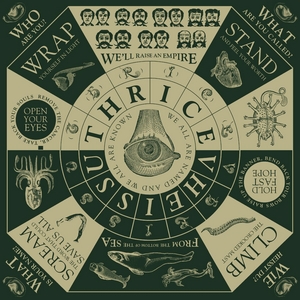

Musical characteristics and production
Musically, Vheissu blends dense guitar work with subtle electronic elements, layered vocal approaches and unusual sonic touches. The band incorporated sources such as music-box tones, field-recorded sounds evoking distant labor and ambient drones to build a varied sonic palette. Tracks move between hushed, dreamlike passages and moments of post-hardcore urgency, demonstrating a broader instrumental and textural ambition than earlier records associated with the post-hardcore scene. Production choices emphasize space and atmosphere; arrangements often leave room for silence or minimal textures to alter the impact of louder sections.
Themes, lyrics and interpretation
Lyrically the album explores philosophical, spiritual and interpersonal subjects. Several songs use imagery and language that echo biblical narratives and religious motifs, though the band has repeatedly clarified that they do not define themselves primarily as a Christian band. Observers note recurring lines and refrains that evoke ideas of sacrifice, searching and redemption; for example, listeners have pointed to passages associated with tracks such as "For Miles," "Image of the Invisible" and "From Moths to Flame." These echoes of scripture and ritual invite varied listener interpretations rather than serving as straightforward doctrinal statements. Commentary and thematic guides often group these elements under broader discussions of biblical themes and lyrical motifs: lyrics references.
Artwork and presentation
The album's visual presentation was an intentional part of its identity. Author Dave Eggers collaborated with artist Brian McMullen on the cover and internal art, producing imagery that intermingles photographs, typographic fragments and quoted lines from the songs. The packaging uses layered photographs and small typographic details to reinforce the record's mood of layered meaning and invites listeners to linger over details. Credits and notes about the visual approach are commonly listed with the release: artwork credits.
Notable tracks and legacy
Vheissu is frequently cited as a turning point in Thrice's career, showcasing a willingness to take creative risks and broaden their audience beyond the post-hardcore circuit. Several songs from the album appear regularly in fan discussions and in retrospective accounts of the band's evolution. Notable tracks include:
- "Atlantic" — a softer, more atmospheric piece that highlights the album's quieter side
- "Image of the Invisible" — a melodic song with reflective lyrics and layered arrangements
- "For Miles" — often noted for its direct lyrical imagery
- "From Moths to Flame" — contains ritualistic and symbolic phrasing that listeners have linked to sacramental imagery
Critically, the album was discussed as evidence of the band's growth and experimentation, and it continues to be referenced in retrospectives about early 2000s rock groups expanding their sonic vocabulary. For further contextual reading and curated notes, many resources collect interviews, track-by-track commentary and archival material on band- and album-specific pages such as the band's general site: Thrice, album overviews: Vheissu, and interpretive guides: theme guides. Ancillary resources that detail packaging and credits are gathered under visual documentation pages: artwork credits, while lyric-focused references appear under song text notes and broader discography listings: discography overview.
Those interested in a deeper understanding of the record's context can consult interviews and contemporary reviews collected on music-focused archives, as well as fan analyses that trace how the album's atmospheric approach influenced subsequent work: see genre context summaries at post-hardcore context and discussions of the band's public identity regarding faith and art at religious context.
Questions and answers
Q: What is Vheissu?
A: Vheissu is an album by experimental band Thrice.
Q: When was Vheissu released?
A: Vheissu was released in 2005.
Q: Did Vheissu introduce a new sound to the band?
A: Yes, Vheissu introduced a new sound to the band's post-hardcore roots.
Q: What were some of the new elements used in Vheissu's music?
A: Vheissu used many new elements from music boxes to chain gangs and has much softer, dreamy songs such as "Atlantic"
Q: Did Vheissu use many biblical themes in its songs?
A: Yes, the songs on Vheissu use many biblical themes.
Q: Is Thrice considered a Christian band?
A: Thrice does not think of themselves as a Christian band.
Q: Who created the album artwork for Vheissu?
A: The album artwork for Vheissu was created by author Dave Eggers and artist Brian McMullen.
Related articles
Author
AlegsaOnline.com Vheissu — Thrice's 2005 experimental album Leandro Alegsa
URL: https://en.alegsaonline.com/art/104845