
Republic of Vermont (1777–1791)
Short-lived independent republic in New England (1777–1791) between New York and New Hampshire claims; maintained its own government, militia, postal service and coinage before joining the United States.
Overview
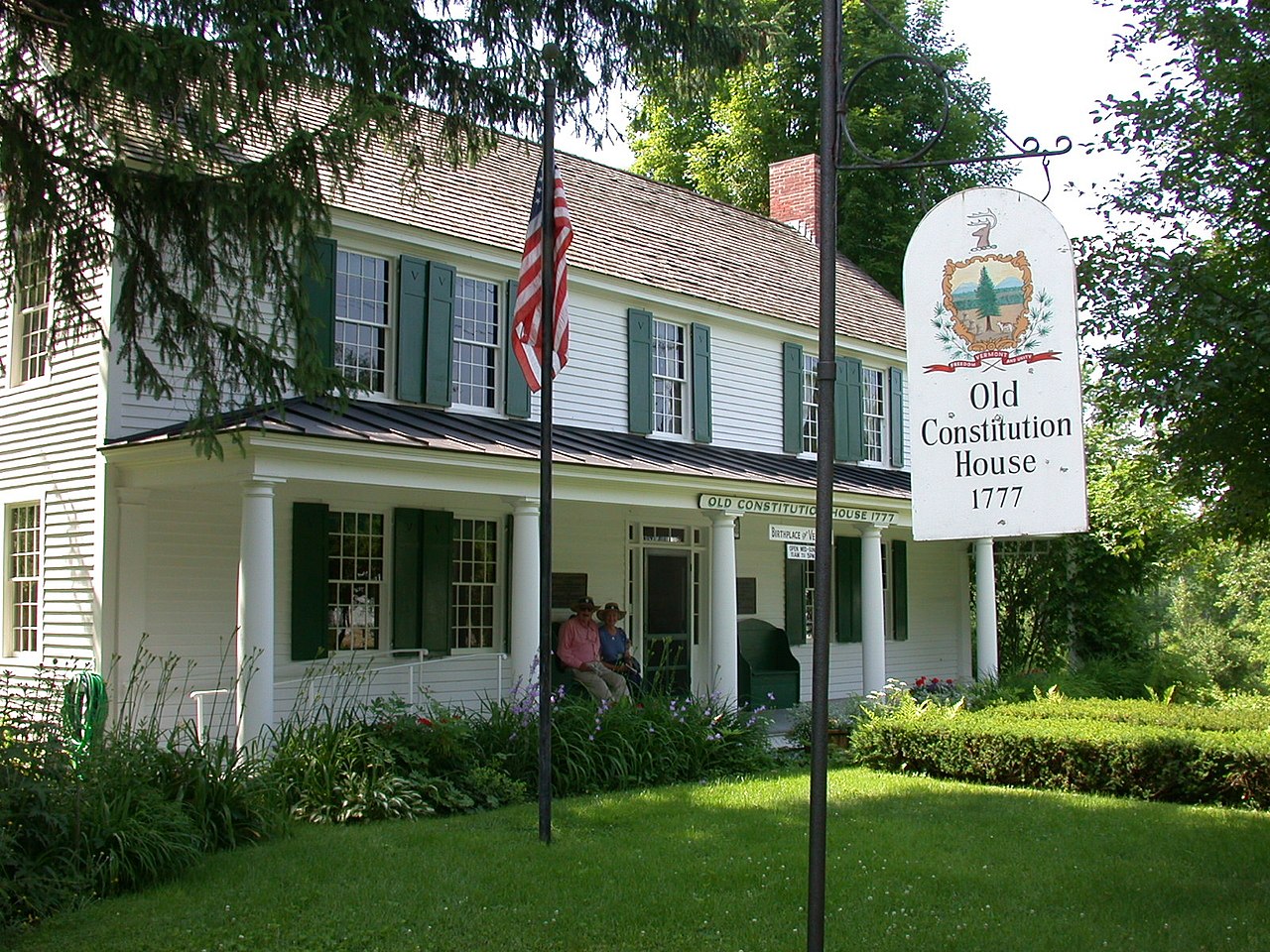
The Republic of Vermont, often called the Vermont Republic or simply Vermont, existed as a self-governing polity from 1777 until it joined the United States in 1791. Situated in the area now forming the state of Vermont, it arose amid competing land claims by neighboring provinces and colonies. Its leaders declared independence in 1777 and created a functioning government while negotiating unsettled borders and allegiances.
Image gallery
5 Images


Territory and government
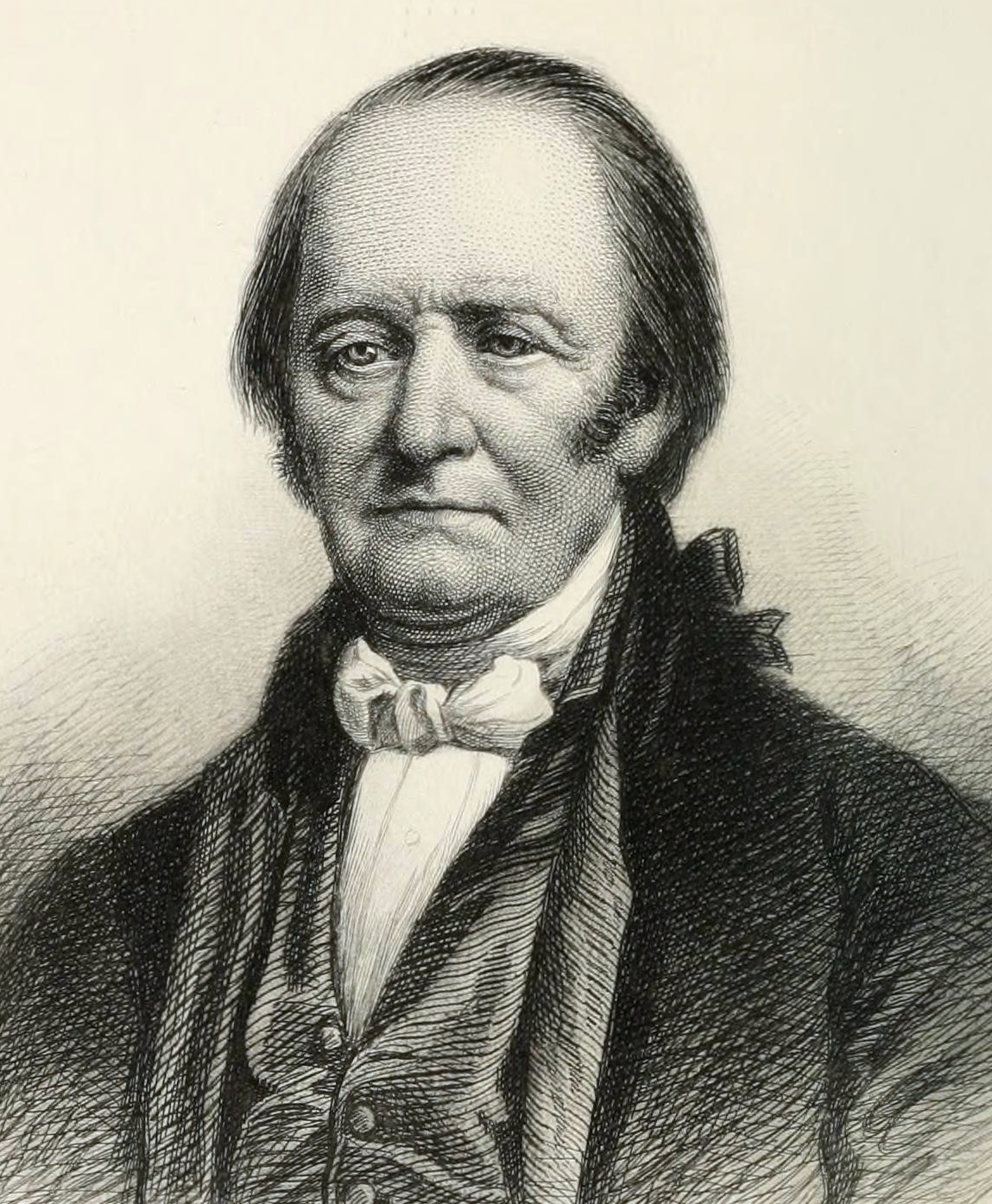
The republic occupied territory claimed at various times by both New York and New Hampshire. Its capital was at Windsor for much of the republic’s existence. Political institutions included an elected governor, an assembly that acted as a legislature, courts, and local town governments. Prominent leaders included Thomas Chittenden, who served as governor and guided much of Vermont’s internal and external policy.
Constitution and society
Vermont adopted a written constitution in 1777 that attracted attention for several progressive provisions for its time. It provided a framework for civil government, recognized certain individual rights, and created public offices. The constitution was notable for measures that curtailed slavery within the republic and for provisions that broadened the franchise compared with many contemporaneous jurisdictions. It also made provisions for public education and local administration.
Institutions, economy and defenses
The republic organized practical institutions needed by any independent polity. It operated its own postal service and issued paper and copper coinage to facilitate trade and pay soldiers; contemporaries sometimes referred to these as Vermont coins or coppers. A militia defended the territory, and local units such as the Green Mountain Boys, originally formed to resist competing land claims, played an important role in local security and in asserting Vermont’s autonomy.
- Postal and communication systems: locally run and adapted to frontier conditions (currency and postal links often cited together).
- Currency: copper coinage and local notes used in daily commerce.
- Military: citizen militia and irregular units for defense and law enforcement.
Diplomacy, recognition, and statehood
The Republic of Vermont was not formally recognized by Great Britain or immediately admitted into the union of the thirteen states. The Continental Congress hesitated to accept Vermont because of lingering claims and objections from neighboring authorities and landholders; debates and negotiations continued for years. During the 1780s Vermont even engaged in secret and contentious contact with British officials across the border as it weighed options for security and recognition. Ultimately, arrangements among Vermont, New York, and the United States resolved the territorial disputes. New York formally relinquished its claims, and Vermont was admitted to the United States on March 4, 1791, becoming the fourteenth state.
Legacy and significance
Although its period of independence was brief, the Vermont Republic left a distinct legacy. Its constitution and practices influenced later debates about rights and governance in the region. The memory of the Green Mountain Boys and the republic’s independent experiment remain important elements of Vermont’s identity and American Revolutionary-era history. For further background on the competing colonial claims, institutions, and admission process, see related sources on territorial disputes and early state constitutions (continental-era discussions).
Questions and answers
Q: When did the Vermont Republic exist?
A: The Vermont Republic existed from 1777 to 1791.
Q: Where was the Vermont Republic located?
A: The Vermont Republic was located on land that was claimed by New York and New Hampshire.
Q: What were some of the institutions that the Vermont Republic had?
A: The Vermont Republic had its own postal system, military, and currency.
Q: Did the Vermont Republic have a government?
A: Yes, the Vermont Republic had a government.
Q: Was the Vermont Republic recognized by England or the Continental Congress?
A: No, the Vermont Republic was not respected by England or the Continental Congress.
Q: How long did the Vermont Republic exist?
A: The Vermont Republic existed for a period of 14 years, from 1777 to 1791.
Q: Why was the Vermont Republic not respected by England or the Continental Congress?
A: The Vermont Republic was not respected by England or the Continental Congress because it was located on land that was claimed by New York and New Hampshire.
Related articles
Author
AlegsaOnline.com Republic of Vermont (1777–1791) Leandro Alegsa
URL: https://en.alegsaonline.com/art/104681
Sources
- highbeam.com : "ASK THE GLOBE"
- history.com : "New Connecticut (Vermont) declares independence - Jan 15, 1777 - HISTORY.com"
- sec.state.vt.us : "Secretary of State - Kids Page: History"