
Vermiculite: properties, uses, history and safety
Vermiculite is a layered silicate mineral that expands when heated. It is used for insulation, horticulture, packaging and fireproofing; some deposits may contain asbestos and require testing.
Overview
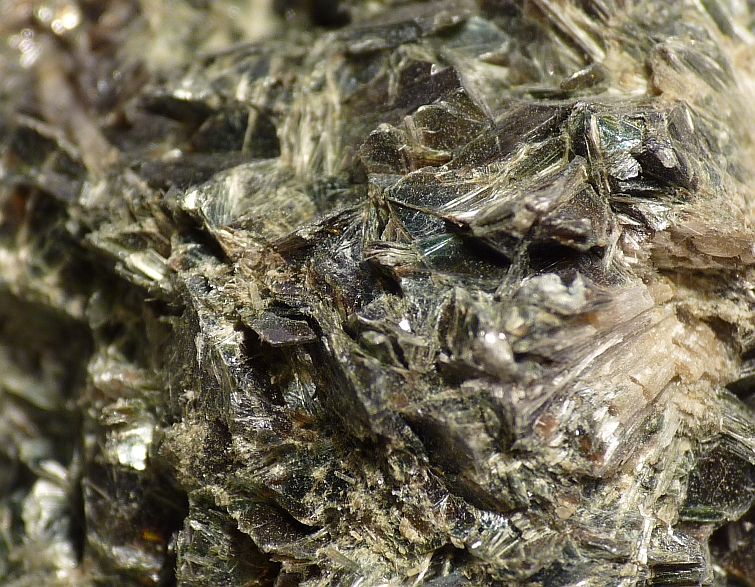
Vermiculite is a naturally occurring, layered silicate often classified as a phyllosilicate and broadly described as a mineral with a flaky, sheet-like crystal habit. In its raw form it is a relatively dense rock; when heated it exfoliates and expands into lightweight, worm-like granules. Commercial vermiculite is produced from deposits in a number of countries, including China, South Africa, Russia and Brazil. The thermal exfoliation technique to produce the expanded form was first described in the United States in the early 19th century.
Image gallery
7 Images


Characteristics and structure
Vermiculite belongs to a group of hydrated magnesium–aluminum–iron silicates with a layered, sheet-like (phyllosilicate) structure. Water and small molecules are held between those sheets, and rapid heating converts the interlayer water to steam, forcing the layers apart in a process called exfoliation or expansion. The expanded particles are low in bulk density, compressible, and resilient — they can be flattened and then spring back — and they have good thermal stability and sound-damping properties. Expanded vermiculite also has a high water‑holding capacity and a moderate cation-exchange capacity, which makes it useful where moisture retention and nutrient exchange are desirable.
History and extraction
Records indicate the exfoliation process was implemented commercially in the 1800s. Vermiculite is mined from open pits and underground workings where sufficient concentrations of the mineral occur. After extraction the ore is crushed and passed through furnaces to produce the expanded form used in many industries. Major producing regions vary over time as deposits are developed and markets change, with the countries above among the better known producers.
Common uses and applications
- Thermal and acoustic insulation: expanded vermiculite is used in insulating materials for furnaces, ovens and buildings because it resists heat and reduces heat transfer.
- Horticulture and hydroponics: mixed into potting soils and growth media, vermiculite improves moisture retention, aeration and seed germination; it is also used in hydroponics systems as a rooting medium.
- Packing and cushioning: the lightweight, compressible particles provide shock absorption for delicate items in shipping.
- Fireproofing and construction: it is incorporated into plasters, masonry fillers and ceiling materials to increase fire resistance and reduce sound transmission.
- Industrial uses: vermiculite is used as a lightweight aggregate, absorbent for spills, and component in various composite materials.
Health, safety and notable distinctions
Vermiculite itself is not a form of asbestos, but some vermiculite ore and products have been contaminated with asbestos minerals. For this reason, material suspected to be vermiculite insulation or loose-fill should be treated cautiously and sampled by a laboratory before disturbance. Some well-publicized contamination events have focused attention on the potential health risk of certain vermiculite supplies. Where asbestos contamination is a concern, professional testing and, if needed, licensed abatement are the expected precautions. The topic of vermiculite and asbestos is commonly discussed in building, health and environmental guidance; see resources linked to further reading for authoritative advice (asbestos information).
Practical notes
Because of its combination of light weight, heat resistance and moisture management, vermiculite remains a versatile material across agriculture, construction and industry. Users should distinguish between unexpanded ore and the expanded product: expanded vermiculite is the form most frequently employed for insulation, horticulture and packing. When working with older installations or unknown sources, testing and following local regulations for handling potential contaminants is advisable.
Further technical and regulatory information is available from mineralogical, agricultural and health authorities; see product datasheets and government guidance for detailed specifications and safety procedures (mineral class, mineral data, regional production).
Questions and answers
Q: What is vermiculite?
A: Vermiculite is a mineral that is dug out of the ground in China, South Africa, Russia and Brazil.
Q: How does vermiculite change when heated?
A: Vermiculite gets bigger and changes into a material that looks like worms when heated.
Q: What is vermiculite used for in insulation?
A: Vermiculite is a good material for insulation and is used to stop the escape of heat in things like ovens, furnaces, and houses in cold countries.
Q: How is vermiculite used to help grow plants?
A: Vermiculite is good at holding water and used in the soil of plants in pots and helping to grow seeds. It is also used in hydroponics as a material for the roots of plants to hold on to.
Q: Why is vermiculite used in cases or boxes?
A: Vermiculite grains are spongy and not hard they are used inside cases or boxes to protect articles from breakage when they are being transported.
Q: Is vermiculite a form of asbestos?
A: No, vermiculite is not a form of asbestos.
Q: What should you do if you find vermiculite insulation in a building?
A: Any vermiculite insulation found in a building should be treated as containing asbestos until confirmed otherwise by a laboratory.
Related articles
Author
AlegsaOnline.com Vermiculite: properties, uses, history and safety Leandro Alegsa
URL: https://en.alegsaonline.com/art/104671
Sources
- epa.gov : "Asbestos"