
Vera Menchik — first Women's World Chess Champion
Vera Menchik (1906–1944) was the inaugural women's world chess champion, a pioneering female competitor in mixed events, and a lasting symbol in the history of competitive chess.
Overview
Vera Menchik (born 16 February 1906 in Moscow — died 27 June 1944 in London) was a leading female chess player of the early 20th century. She became the first Women's World Chess Champion when FIDE organized the inaugural championship in 1927 and she held that title through successive defenses until her death. Menchik was widely respected for competing in both women-only events and strong mixed tournaments, challenging prevailing assumptions about gender and competitive chess.
Image gallery
6 Images
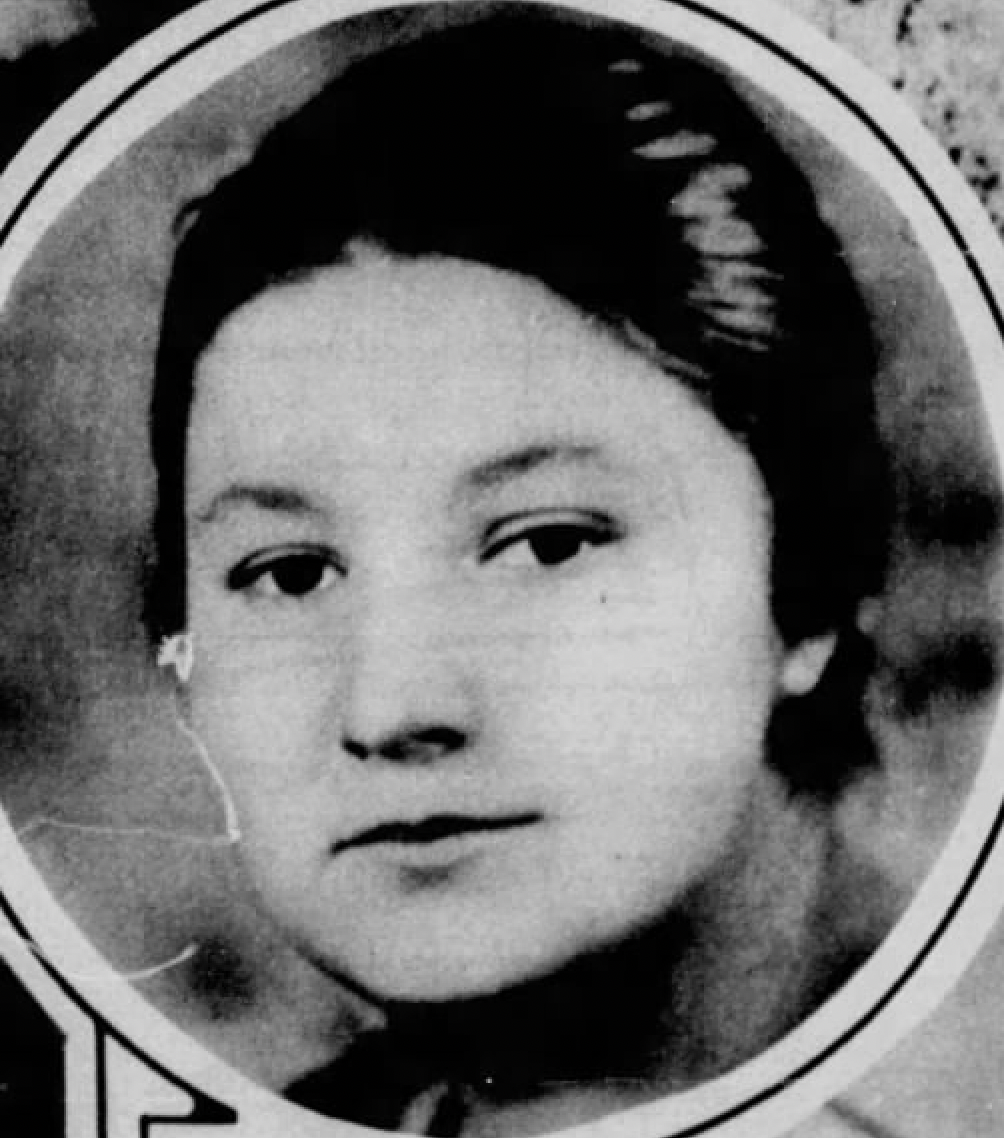


Early life and rise
Menchik's early exposure to chess and rapid progress made her a national and international figure in the 1920s. She first won attention by taking the first world women's title and then consolidating it in later championship matches and events. Her championship reign gave visibility to women's chess at a time when organized international competition for female players was still developing.
Competitive achievements and style
Beyond her women's titles, Menchik regularly entered tournaments that featured many of the world's top male masters. She scored notable games and occasional upsets against leading players of the era, including a documented win over future world champion Max Euwe. Colleagues and commentators noted her steady, pragmatic approach: she sought clear, straightforward plans and relied on sound technique rather than flashy risk-taking. Her results in mixed fields proved that elite chess was not exclusive to men and encouraged others to compete broadly.
Notable facts
- First official Women's World Chess Champion (1927) and successful defender of the title in subsequent events.
- Regular participant in strong international tournaments and regarded as the dominant female player of her era.
- Her victories over prominent male masters led to a light-hearted nickname for the set of those who lost to her: the "Vera Menchik Club," a phrase that emphasized both surprise and respect.
- She represented an important step in the integration of women's chess into broader competitive circuits and helped raise the standard and visibility of women's play.
Legacy and significance
Vera Menchik's impact goes beyond individual games and trophies. By repeatedly defending the women's world title and taking part in mixed events, she challenged stereotypes and inspired later generations of women players. Her career remains a reference point when discussing the early institutionalization of women's chess and the gradual expansion of opportunities for female competitors.
Final years
Menchik died in London during World War II in 1944, a loss felt throughout the international chess community. Her name endures in histories of the game and in discussions of gender and competition. For further background on the places and events associated with her life, see references to British–Czech connections and accounts of mixed tournament play at mixed events.
Questions and answers
Q: Who was Vera Menchik?
A: Vera Menchik was a British-Czech chess player and the first women's world chess champion.
Q: When and where was Vera Menchik born?
A: Vera Menchik was born on February 16, 1906, in Moscow.
Q: When did Vera Menchik become the first women's world chess champion?
A: Vera Menchik became the first women's world chess champion (in 1927) when she was just 21 years old.
Q: Was Vera Menchik only successful in women's tournaments or did she also compete with men?
A: Vera Menchik also competed in chess tournaments with some of the world's leading male chess masters and even defeated some of them, including Max Euwe, who later became a World Champion.
Q: Which country did Vera Menchik represent in international chess competitions?
A: Vera Menchik represented Czechoslovakia in international chess competitions.
Q: How did Vera Menchik's chess career end?
A: Unfortunately, Vera Menchik's chess career ended prematurely when she died at the age of 38 during a German bombing raid in London in 1944.
Q: What was Vera Menchik's legacy in the world of chess?
A: Vera Menchik is remembered as a pioneer in women's chess and a role model for female chess players. She paved the way for future generations of women to compete at the highest levels of chess.
Related articles
Author
AlegsaOnline.com Vera Menchik — first Women's World Chess Champion Leandro Alegsa
URL: https://en.alegsaonline.com/art/104620
Sources
- chesshistory.com : Chess Notes
- chessgames.com : Menchik-Becker, Karslbad 1929
- chessgames.com : Wins by Vera Menchik
- wikidata.org : wikidata.org/wiki/Q157867
- catalogue.bnf.fr : cb17153037d
- data.bnf.fr : (data)
- isni.org : 0000 0000 4738 9982
- id.loc.gov : nr90010192
- aleph.nkp.cz : jk01081218
- data.bibliotheken.nl : 156652803
- viaf.org : 68777914
- worldcat.org : lccn-nr90010192